Entrance mats endure daily abuse from tracked-in dirt, moisture, and foot traffic. Regular cleaning helps extend their life, improve indoor air quality, and keep entryways looking neat. This guide provides practical, step-by-step instructions tailored for American households and businesses.
Proper maintenance combines brushing, washing, and drying techniques that work with common mat materials, from coir and rubber to carpeted models. The methods below emphasize safe cleaning practices and reachable tools.
Quick Answer
Choose the right tools, apply a suitable cleaning solution, scrub with a stiff brush, rinse, and let the mat dry completely before reuse. For heavy soiling, extract water or use a carpet extractor designed for mats, then air-dry in a well-ventilated area.
What You’ll Need
- Stiff bristle scrub brush for entrance mats
- Carpet cleaner for mats
- Outdoor mat cleaning brush set
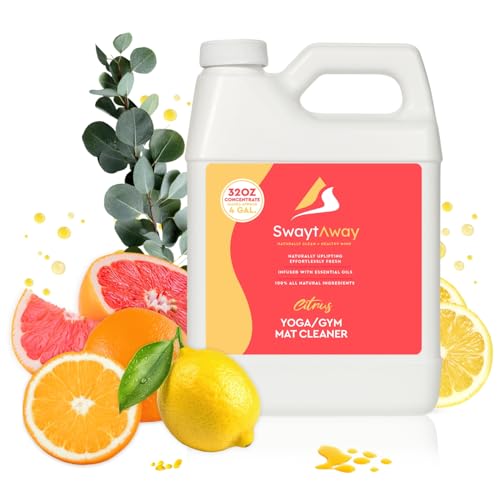
- Mat cleaning solution spray for entrance mats
- Industrial carpet extractor for mats


Before You Start
Screen the mat material for cleaning compatibility. Test a hidden spot with the cleaning solution to prevent color bleeding or fiber damage. For heavy or oily stains, saturate with a mat cleaning solution spray and let it sit for a few minutes before scrubbing. Wear gloves and eye protection when using cleaning agents. Plan for airflow—outdoor or well-ventilated indoor area—to speed drying. Time estimate: 30–90 minutes per mat, depending on size and soil level.
Step-By-Step: How To Clean Entrance Mats
- Edge out loose debris: Take the mat outside or place it over a clean surface and shake or beat it to remove loose dirt and debris.
- Brush away embedded soil: Use the stiff bristle scrub brush for entrance mats or the outdoor mat cleaning brush set to loosen embedded dirt along fibers or backing.
- Apply cleaning solution: Generously spray the mat cleaning solution spray for entrance mats or a diluted soap solution. Allow a few minutes for the product to penetrate.
- Scrub thoroughly: Work in small sections with the brush, paying attention to high-traffic zones and edges. For rubber-backed mats, avoid soaking the backing excessively to prevent warping.
- Rinse completely: Rinse with clean water from a hose or a damp cloth, removing all soap residues which can attract new dirt.
- Extract excess moisture: If using an industrial carpet extractor for mats, run a light extraction pass to pull water from the mat.
- Inspect and repeat if needed: Reassess for remaining stains. Repeat scrubbing and rinsing on stubborn areas.
- Dry thoroughly: Lay the mat flat or hang it to air-dry in a shaded, well-ventilated area. Ensure both sides are completely dry before reinstalling.
- Reinstall and monitor: Once dry, return the mat to its place and monitor moisture if outdoor exposure is frequent.
Troubleshooting
| Symptom | Likely Cause | Fix | Prevention |
|---|---|---|---|
| Streaks or blotches after cleaning | Uneven soap rinse | Rinse more thoroughly, especially along edges | Rinse in multiple directions |
| Back of mat warps or curls | Over-wetting | Limit water exposure; dry fully on a flat surface | Avoid soaking; use minimal moisture |
| Color fading or dye bleed | Aggressive cleaners or extended soaking | Test spot first; use milder solution or shorter dwell time | Choose cleaners compatible with mat materials |
| Persistent odor | Deep-set moisture or organic matter | Re-clean with a deodorizing cleaner and ensure complete drying | Improve ventilation during drying |
Common Mistakes
- Using high heat or hot water that can shrink or warp certain mats
- Over-saturating rubber-backed mats, causing backing separation
- Skipping a proper drying period, leading to mildew
- Choosing the wrong cleaner for delicate fibers
Tips For Best Results
- Spot-treat stains as soon as possible to prevent set-in marks
- Work in small sections to maintain even cleaning and drying
- Use a dedicated brush set for mats to avoid wear on other surfaces
- Rotate mats seasonally to distribute wear and extend life
- Store cleaning products in a cool, dry place and label them clearly
Call A Professional
Consider professional cleaning if mats are deeply stained, waterlogged, or show persistent odors after DIY cleaning. Stop cleaning and seek help if backing is frayed, mold is present, or the mat remains slippery when damp. For high-traffic commercial entrances, a periodic professional clean schedule may protect long-term performance.
FAQ
Can I clean entrance mats indoors?
Yes, if the area is well-ventilated and the mat dries fully to prevent mold growth.
How often should entrance mats be cleaned?
Light cleaning monthly with deeper cleanings every 3–6 months, or more often in high-traffic or muddy climates.
What cleaners are safe for rubber-backed mats?
Use cleaners labeled safe for rubber and avoid solvent-based solutions that can degrade backing.
Is it okay to rinse mats with a garden hose?
Yes, provided the area has good drainage and you avoid soaking the backing excessively.
How long should mats air-dry?
Most mats dry within 2–6 hours depending on material and airflow; residential areas may take longer.
Buying Guide
When choosing entrance mats and cleaning tools, consider size, material, and expected soil load. Size should cover the entry threshold without bending excessively at the edges. Materials like coir, polypropylene, and rubber-backed fabrics have different cleaning needs and moisture tolerances. Noise, energy usage, and placement are minor but practical concerns for powered cleaning tools and extractors. If repeated cleaning is expected, a robust industrial carpet extractor for mats may offer faster results with less manual effort. Look for ergonomically designed handles and lightweight models for frequent use. Consider accessibility: mats in both indoor and outdoor locations benefit from durable stitching and reinforced backing to prevent tears. Finally, ensure compatible cleaning solutions are readily available and approved for your mat type.