Eggshell finish walls offer a soft sheen that resists fingerprints better than flat paint while remaining easy to touch up. Regular, gentle cleaning keeps these walls looking fresh without dulling the surface. This guide provides practical steps, tools, and tips tailored for American homes to safely clean eggshell-painted walls.
Quick Answer
Gently dust or wipe walls first, then use a mild cleaning solution and minimal moisture. Avoid harsh scrubbing and use a soft microfiber cloth or non-abrasive sponge with a light touch. Rinse with a clean cloth and allow to air dry. For high or hard-to-reach areas, employ an extendable microfiber wall mop to prevent ladder use on delicate surfaces.
What You’ll Need
- Soft microfiber cloths for cleaning eggshell paint walls
- Non-abrasive sponge for eggshell finish walls
- Extendable microfiber wall mop for painted walls
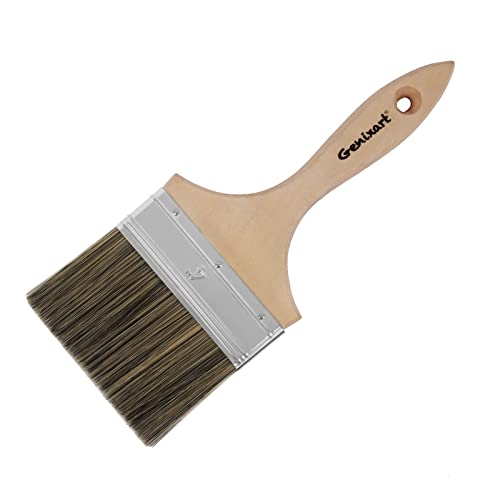
- Gentle scrub brush for painted walls eggshell finish
- Painted wall cleaning kit with spray bottle and soft brush


Before You Start
Prepare a clean, well-lit area and protect nearby furniture. Test any cleaning method on a small inconspicuous spot to ensure no color lift or texture damage occurs. Use gentle pressure and avoid soaking walls to prevent moisture from seeping behind the finish. Time estimate: about 30 minutes for initial cleaning, plus touch-ups as needed.
Step-By-Step: How To Clean Eggshell Paint Walls
- Dust walls with a dry microfiber cloth or a soft brush to remove loose dirt and cobwebs.
- Mix a mild cleaning solution by combining a small amount of gentle dish soap with warm water in a spray bottle.
- Lightly mist the cleaned area or dampen a microfiber cloth; avoid saturating the wall to prevent moisture issues.
- Wipe in a circular or straight stroke, following the paint’s grain direction if visible, using soft microfiber cloths or a non-abrasive sponge.
- For stubborn marks, use the gentle scrub brush with light pressure on a small area and rinse immediately with a clean cloth.
- Rinse the area by wiping with a clean, damp cloth to remove soap residue; repeat as needed.
- Dry the area with a dry microfiber cloth to prevent water spots and maintain the finish.
- If cleaning extends to higher walls, use the extendable microfiber wall mop to reach without climbing a ladder.
- Inspect for streaks; if present, buff with a dry microfiber cloth to restore the eggshell sheen.
- Document any scuffs or marks that require touch-up paint and plan for a future small repair session.
- Repeat the process as needed, prioritizing high-traffic areas and fingerprints near light switches and doors.
Troubleshooting
| Symptom | Likely Cause | Fix | Prevention |
|---|---|---|---|
| Streaks after cleaning | Soap residue or excess moisture | Wipe with a clean damp cloth, then dry thoroughly | Use minimal moisture and rinse thoroughly |
| Discoloration or dull finish | Over-wetting or aggressive scrubbing | Switch to gentler method and dry immediately | Stick to soft tools and light touches |
| Scratches visible after cleaning | Rough surface or abrasive technique | Switch to softer tools; avoid scrub brushes on bare highlights | Use protective, non-abrasive tools |
| Water spotting after cleaning | Hard water minerals | Dry promptly; consider filtered water for future cleanings | Wipe dry after each pass |
Common Mistakes
- Using harsh cleaners or abrasive pads that scar the eggshell surface
- Over-wetting walls, especially near baseboards or outlets
- Applying too much pressure, causing color lift or texture damage
- Neglecting to dry the wall after cleaning, leading to streaks or moisture issues
Tips For Best Results
- Test cleaners on a small area first to verify color fastness
- Clean from top to bottom to catch drips as you go
- Use light, repeated passes rather than heavy scrubbing
- Schedule a routine cleaning every 1–3 months depending on traffic
- Label a small batch of cloths for use only on painted walls to avoid cross-contamination
Call A Professional
Seek professional help if there are extensive stains, bubbling, or chipped paint that requires repainting. Stop cleaning and contact a pro if you notice persistent moisture behind walls, mold growth, or if cleaning reveals paint peeling beyond simple cleaning.
FAQ
Can I use bleach on eggshell paint walls?
Avoid strong bleach or chlorine cleaners; they can damage the finish. If a stain persists, consider a mild alternative and gentle scrubbing with a soft cloth.
Is it safe to use a spray bottle for cleaning eggshell walls?
Yes, a spray bottle with a mild solution helps control moisture; spray lightly onto a cloth rather than directly onto walls to prevent over-wetting.
How often should eggshell walls be cleaned?
Regular light cleaning every 1–3 months is usually sufficient; more frequent cleaning may be needed in high-traffic areas.
Will cleaning remove wall color or finish?
When done gently with appropriate tools, cleaning should preserve the eggshell finish and color. Avoid aggressive scrubbing or soaking.
Should I repaint after cleaning?
Only if the paint shows wear, chips, or staining that cannot be cleaned. Cleaning itself rarely necessitates repainting.
Buying Guide
When selecting tools to clean eggshell paint walls, consider size, ease of use, and material compatibility. A balanced kit reduces the risk of damage while delivering effective cleaning. Think about where you’ll clean most often (walls near doors, kitchens, or living areas) and whether you prefer reach-extending tools for high spots. Noise, weight, and ease of storage matter for regular use. Look for tools labeled safe for painted or eggshell finishes and test any new tool on a small area first.