Duck feather pillows require careful cleaning to maintain their loft, comfort, and longevity. This guide provides practical, step-by-step instructions suitable for most American households, using common household supplies and safe cleaning products.
Quick Answer
To refresh duck feather pillows, use a gentle, unscented detergent, wash on a warm setting with extra rinse, and dry thoroughly with clean towels and pillow dryer balls or tennis balls to restore fluff. Always check care labels and avoid high heat to prevent feather clumping.
What You’ll Need
- Duck feather pillow washing bag
- Gentle unscented detergent for pillows
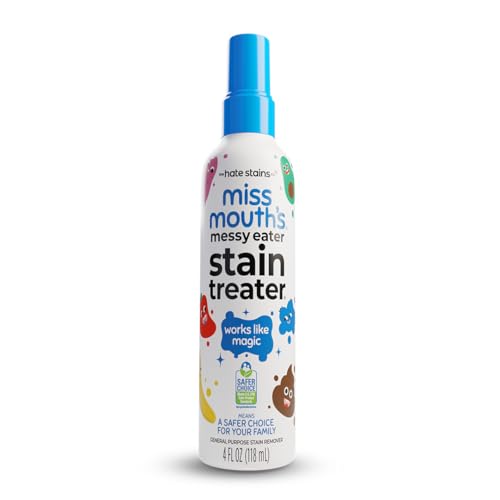
- Fabric stain remover for pillows (for spots)
- Pillow cleaning brush with soft bristles
- Pillow dryer balls for feather pillows
- Extra-large washing machine or washing bag for size; access to a dryer or air-drying space


Before You Start
Plan to clean pillows in a weekend or when you have a few hours free for thorough drying. Pre-treat any stains with a gentle fabric stain remover and test a small area first. Ensure the pillows are fully dry before reuse to prevent mold. If your pillows are very old, lumpy, or have unresolved odors, consider replacing them.
Surface and area prep: clear the washing machine and dryer space, lay down towels to catch drips, and remove pillowcases. Time estimate: 2–4 hours for two pillows, including drying time.
Step-By-Step: How To Clean Duck Feather Pillows
- Inspect the care label and remove any pillow covers; wash covers separately according to label directions.
- Presoak stains with a fabric stain remover for pillows for 10–15 minutes, then blot gently with a clean cloth.
- Place each duck feather pillow inside a pillow washing bag or a large washing bag to prevent feather leakage during washing.
- Add a small amount of gentle unscented detergent for pillows to the washing machine; use the manufacturer’s recommended detergent amount for a single pillow load.
- Run a warm wash cycle with an extra rinse to ensure all soap is removed; select a gentle or delicate cycle if your machine offers it.
- After washing, remove pillows and gently press out excess water by pressing with clean towels; do not wring or twist hard.
- Dry pillows in a dryer on a low heat setting; add pillow dryer balls for feather pillows to help break up clumps and restore loft as they dry.
- Check periodically for even drying; if the center remains damp, continue drying in 15–20 minute intervals, reshuffling the pillows between cycles.
- When fully dry, fluff the pillows by hand and shake to distribute feathers; allow to cool completely before placing back in pillowcases or on the bed.
- For extra freshness, occasional air-drying in a sunny, shaded area can help, but avoid prolonged direct sunlight which may degrade the fabric.
- Wash pillow covers regularly and store pillows in a breathable case to prevent moisture buildup.
Troubleshooting
| Symptom | Likely Cause | Fix | Prevention |
|---|---|---|---|
| Pillows come out damp | Insufficient drying or high loft traps moisture | Increase dry time, add dryer balls, and redistribute feathers mid-cycle | Dry on low heat with frequent checks |
| Feathers clumping | Soap residue or partial drying | Run an extra rinse cycle and thoroughly dry | Avoid overloading the machine |
| Unpleasant odor | Moisture retention or mildew | Ensure complete drying; consider a light sun exposure and airing | Promptly dry after washing |
| Fabric irritation after wash | Residue from detergent | Extra rinse to remove soap; switch to ultra-gentle formula | Use minimal detergent |
| Encroaching mold risk | Persistent moisture in storage | Store in breathable covers; ensure fully dry before storage | Keep storage area dry |
Common Mistakes
- Using hot water or high heat drying, which can damage feathers
- Overloading the washing machine, leading to poor rinsing
- Skipping extra rinse cycles, leaving soap residue
- Neglecting to dry thoroughly, creating mold risk
Attention to these pitfalls helps maintain pillow loft and overall hygiene.
Tips For Best Results
- Use a dedicated, gentle detergent designed for pillows to minimize residue
- Equally distribute feathers by rotating and fluffing during drying
- Keep a regular cleaning cycle schedule to prevent buildup of oils and allergens
- Consider washing pillow protectors and cases at the same time for a fresh result
- Check label instructions for any specific washing or drying limits
Call A Professional
Seek professional cleaning if pillows show persistent mold, strong odors after multiple cleanings, or if stitching appears compromised. Stop using the pillows if you notice unusual cracking or feather leakage that cannot be repaired through cleaning.
FAQ
Can I machine wash duck feather pillows?
Yes, if the pillows are labeled machine washable. Use a gentle cycle, warm water, and a washing bag to protect the feathers.
What detergent should I use?
A gentle unscented detergent made for pillows helps minimize residue and irritation.
How long do duck feather pillows take to dry?
Drying time varies by washer and dryer, but expect 2–4 hours total with intermittent checks and flips.
How can I prevent mold and odors?
Ensure complete drying before storage and regularly wash pillow covers to maintain freshness.
Buying Guide
Choosing the right cleaning approach depends on pillow construction and personal preferences. For duck feather pillows, consider size, fill power, and the care label when deciding whether to hand-wash or machine-wash.
Key buying factors include:
- Size and loft: Larger pillows may require a sturdier washing setup and longer drying times
- Noise level and energy use: If using a standard home washer/dryer, check energy ratings and cycle options
- Controls: Favor machines with multiple rinse options and low-heat drying settings
- Placement: Dry on a level surface with adequate airflow to avoid moisture pockets
Comparing options across brands often reveals differences in feather fill consistency and resilience after washing. When in doubt, consult care labels and consider professional cleaning for delicate or high-maintenance pillows. Does your laundry setup support thorough drying to keep pillows fresh and fluffy?