Keeping a dog’s paws clean is essential for comfort, health, and odor control. Regular cleaning helps prevent dirt, mud, and irritants from lingering between toes and pads. This guide explains a practical, step-by-step approach using common paw-cleaning tools and routines suitable for most American households.
Whether returning from a muddy hike or a routine outdoor walk, a quick clean can save time and reduce mess inside the home. The methods below emphasize safety, efficiency, and simple maintenance so owners can keep their canine companions comfortable and clean year-round.
Quick Answer
Fast method: Rinse paws with warm water, use a paw-cleaning tool to scrub between toes, pat dry, and apply a paw balm if desired. For muddy paws, a portable paw washer cup or a silicone bristle brush set speeds up the process and minimizes splashing.
What You’ll Need
- Dog paw cleaner cup silicone bristle brushes
- Pet paw washing brush with splash guard
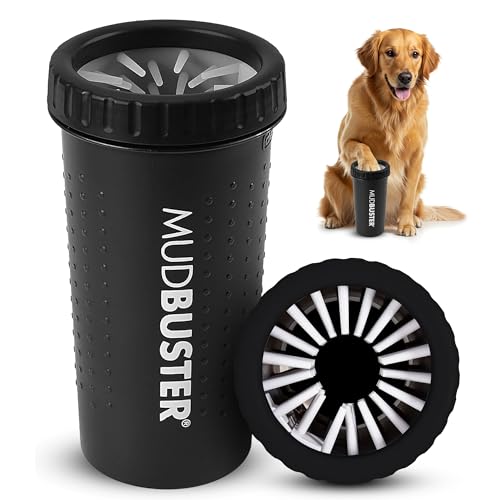
- Portable dog paw washer cup for muddy paws
- Silicone paw cleaner mat for dogs
- Dual-sided dog paw brush and towel set


Before You Start
Prepare a comfortable, non-slip area near a sink or bathtub. Use lukewarm water to avoid shocking sensitive paws. Have towels within reach and a mild, pet-safe cleanser if needed. Never scrub aggressively between toes or on irritated skin. If the dog shows extreme discomfort, stop and reassess. Time estimate for a typical four-paw cleaning: 3–6 minutes per session.
Step-By-Step: How To Clean Dog Paws Thoroughly
- Bring your dog to a calm, leash-attached area and prepare your cleaning tools.
- Rinse the paws briefly with lukewarm water to loosen loose dirt.
- Use a dog paw cleaner cup or silicone bristle brushes to scrub between pads and fingers in gentle circles.
- For stubborn debris, switch to a dual-sided paw brush with softer bristles on one side and a towel-ready side on the other.
- Rinse each paw again to remove loosened dirt and soap residue.
- Gently pat the paws dry with a towel; ensure between the toes is dry to prevent moisture buildup.
- Apply a light paw balm or conditioning product if the dog has dry or cracked pads.
- Reward the dog with praise or a treat, and inspect the nails and fur for clumps or embedded debris after washing.
Troubleshooting
| Symptom | Likely Cause | Fix | Prevention |
|---|---|---|---|
| Paws resist cleaning | Anxiety or sensitivity | Use a softer brush and short, positive sessions | Desensitize gradually with treats |
| Splashes or spills | Inadequate splash guard or improper technique | Switch to a splash-guard-equipped tool and angle water downward | Limit water flow and keep sessions calm |
| Redness after cleaning | Rough brushing or soap irritation | Switch to a mild, pet-safe cleanser and gentler bristles | Rinse thoroughly; avoid over-washing |
| Paw odor persists | Excess moisture or skin issues | Dry thoroughly and consult a vet if odor continues | Dry between toes; use breathable paw balm |
Common Mistakes
- Using hot water or harsh cleaners that irritate skin
- Neglecting between-toe areas during cleaning
- Rushing steps, leading to incomplete drying
- Forgetting to inspect nails and fur for debris
Tips For Best Results
- Integrate paw cleaning into daily routines, especially after outdoor activities.
- Choose tools with soft bristles or silicone heads to minimize abrasion.
- Keep a dedicated cleaning station with a mat to reduce slips and spread of dirt.
- Use a pet-safe paw balm after washing to protect pads, especially in winter.
Call A Professional
Seek veterinary advice if there are persistent redness, swelling, limping, or sores on the paws. Contact a professional groomer if your dog resists handling tools or shows signs of fear that could lead to injury. If there is any visible infection, oozing, or strong odor not relieved by cleaning, schedule a vet visit promptly.
FAQ
How often should I clean my dog’s paws?
Clean paws after outdoor adventures or muddy conditions; routine spot cleaning can be done daily, with a full clean weekly for most dogs.
What if my dog won’t sit still for a paw cleaning?
Keep sessions brief, use treats, and break the task into small steps to reduce stress.
Are paw-cleaning tools safe for all dogs?
Most are safe when used as directed with gentle pressure; check materials for any allergies or sensitivities.
Can I use human soap on dog paws?
No, human soaps can upset pH balance and cause irritation. Use a pet-safe cleanser designed for dogs.
What should I do if there is redness or swelling after cleaning?
Pause cleaning and consult a veterinarian to rule out infection or injury.
Do paw cleaners remove odors effectively?
They help remove surface dirt and moisture, which can reduce odors; persistent odor may indicate skin issues.
Buying Guide
When choosing paw-cleaning gear, consider size, ease of use, and how well it fits your dog’s routine. A compact dog paw cleaner cup or portable paw washer is ideal for on-the-go cleaning after muddy walks, while silicone bristle brushes and a splash guard add versatility for home use. A silicone paw cleaner mat offers a stationary option that catches debris and can double as a drying mat. For households that value quick, thorough cleaning, a dual-sided dog paw brush and towel set can streamline the process by combining scrubbing and drying in one step.
Key buying factors include size compatibility with your dog’s paw size, noise level if you plan to use wet cleaning near sleeping areas, and energy efficiency only in terms of ease of use and manual operation. Controls should be intuitive, and placement should minimize splashes while keeping everything within reach. If you have multiple dogs, consider a setup that accommodates different paw sizes and grooming preferences.
Ask yourself: Do you prioritize compact travel-ready tools or a robust home system? How important is splash control in your cleaning area? By weighing these factors, you can select tools that deliver consistent results and keep cleaning routines simple and pleasant for both dog and owner.