Keeping a dishwasher clean is essential for optimal performance and spotless dishes. This guide explains a straightforward, step-by-step approach to cleaning a dishwasher using common tools and specific brushes designed for the job.
By following the steps, homeowners can remove build-up, sanitize interior surfaces, and extend the life of their appliance without harsh chemicals or professional help.
Quick Answer
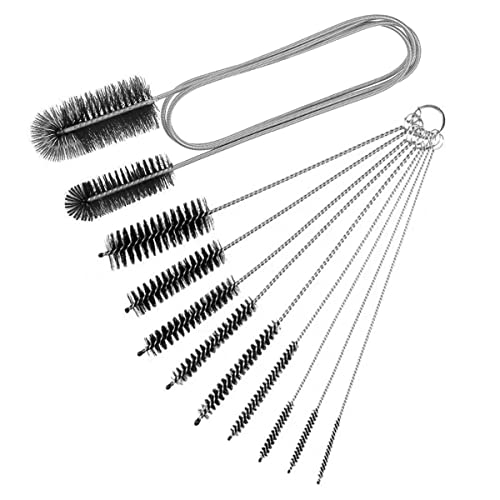
What you’ll do: Remove debris, clean spray arms, wipe seals, scrub the interior, and run a hot cycle. Use a dedicated dishwasher cleaning brush set and specialized tools to target hard-to-reach areas.
What You’ll Need
- Dishwasher cleaning brush set
- Dishwasher spray arm cleaner tool
- Dishwasher gasket cleaning brush
- Dishwasher filter cleaning brush
- Dishwasher interior scrub sponge tool
- Non-abrasive sponge or microfiber cloth
- White vinegar or a dishwasher-safe cleaner (optional)


Before You Start
Before beginning, unplug the dishwasher or turn off the circuit breaker. Remove and inspect racks to access corners. Empty the bottom and top racks of any debris. Safety first: avoid mixing cleaners and never use chlorine bleach with ammonia-based products. Plan for a 60–90 minute cleaning session to allow for a thorough interior scrub and any necessary disassembly.
Step-By-Step: How To Clean A Dishwasher
- Remove the racks and pull out the bottom spray arm; inspect for clogs and clean with the dishwasher spray arm cleaner tool and small brush.
- Gently scrub around the door gasket with the dishwasher gasket cleaning brush to dislodge mold and grime.
- Use the dishwasher interior scrub sponge tool to scrub the door edge, seals, and interior walls in a circular motion.
- Dip a sponge in warm water and wipe away excess residue from the door seal and the interior surfaces.
- Target the filter assembly by removing the filter, then use the dishwasher filter cleaning brush to dislodge built-up particles; rinse thoroughly.
- Clean the interior floor by brushing away debris toward the drain path, then wipe with a damp cloth.
- Run a hot empty cycle with a dishwasher-safe cleaner or a cup of white vinegar placed on the rack to sanitize and deodorize.
- Check for lingering odors; repeat a focused wipe-down on seals and corners if needed.
- Reassemble racks and run a short rinse cycle to confirm the spray arms rotate freely and no debris remains.
- Keep a monthly routine: quick wipe-down after cycles and a deep clean every 1–3 months depending on usage and water quality.
- Store brushes and tools in a dry, accessible place for easy future maintenance.
- Document any persistent issues that may indicate a mechanical problem requiring professional attention.
Troubleshooting
| Symptom | Likely Cause | Fix | Prevention |
|---|---|---|---|
| Dishes come out wet or spotted | Blocked spray arms or improper rinse aid | Clean spray arms and check rinse aid settings | Regular cleaning; use appropriate rinse aid |
| Foul odor | Residual food in filter or seal | Clean filter and gasket; run hot clean cycle | Wipe after cycles; inspect seals |
| Visible mold on door gasket | Moisture buildup | Clean gasket with brush; dry thoroughly | Leave door slightly ajar after cycles |
| Spray arm not rotating | Debris inside arm holes | Remove and clean spray arm with tool | Inspect monthly; avoid overloading |
Common Mistakes
- Using harsh abrasives that scratch interior surfaces
- Neglecting the filter and gasket areas during cleaning
- Overfilling the dishwasher with soap or cleaners
- Running hot cycles too soon after adding cleaners that may produce fumes
Staying consistent with routine maintenance helps prevent buildup and keeps cleaning time minimal.
Tips For Best Results
- Do a quick wipe-down of the interior after each major cycle to reduce residue buildup.
- Schedule a deeper clean every 1–3 months, depending on usage and water hardness.
- Use a dedicated dishwasher cleaning brush set to reach tight spots, especially around the gasket and filter.
- Keep spray arms clear and test their rotation after cleaning to ensure even water distribution.
- Consider a vinegar rinse only if your manufacturer allows it; some cleaners are formulated for use with dishwashers.
Call A Professional
If the dishwasher exhibits persistent drainage issues, unusual noises, leaks, or failure to heat, contact a licensed technician. Stop uses if there is standing water, electrical smells, or visible damage to wiring or hoses. Do not attempt complex dissections beyond basic brush cleaning without proper expertise.
FAQ
How often should I clean my dishwasher?
Most households benefit from a thorough clean every 1–3 months, with quick wipe-downs after heavy use.
Can I use vinegar to clean my dishwasher?
Yes, if your manufacturer allows it; use it as a hot cycle additive rather than mixing with other cleaners.
What if my spray arms don’t rotate after cleaning?
Remove and inspect for obstructions, then reassemble and test; persistent issues may require replacement parts.
Which part should I clean first?
Start with the filter, then the spray arms, and finally the gasket and interior walls for maximum effectiveness.
Is it safe to use brushes on all surfaces?
Yes, as long as the brushes are non-abrasive and designed for dishwashers to avoid scratching.
Should I run a full clean cycle with detergent?
Most manufacturers advise against adding soap to an empty dishwasher; use a dishwasher-safe cleaner or vinegar as directed.
Buying Guide
When choosing tools and accessories for how to clean dishwasher, look for durable, dishwasher-safe materials and tools designed to reach hard-to-clean spots. Consider a comprehensive kit that includes a dishwasher cleaning brush set and a dishwasher spray arm cleaner tool for efficient maintenance. Key buying factors include:
- Size and compatibility: Tools should fit standard dishwasher layouts and spray arms without forcing parts.
- Noise and energy considerations: Maintenance tools do not affect operation, but choosing efficient cleaners can minimize odors and residue, contributing to a fresher interior after cycles.
- Controls and ease of use: Simple tools that require little force or disassembly will save time during routine cleanings.
- Placement and storage: A compact tool set that stores neatly under the sink or in a cleaning caddy keeps brushes handy for quick maintenance.
- Quality and durability: Opt for BPA-free plastics and corrosion-resistant bristles to withstand frequent use.
For a balanced setup, pair a dishwasher cleaning brush set with a dedicated spray-arm tool and gasket or filter brushes. Assess your water quality and typical residue level to tailor the kit to your needs, ensuring a clean dishwasher and spotless results with every cycle.