Clogged or slow-draining dishwasher lines can lead to poor drainage, lingering odors, and degraded cleaning results. Regular maintenance of the dishwasher’s drain line and vent pathways helps prevent backups and extends the appliance’s life. This guide walks through practical, safe steps using common tools to clear and refresh the dishwasher’s lines.
Quick Answer
To restore flow and odor-free operation, start with a simple cycle using an ordinary descaler or vinegar flush, then use a dedicated cleaning tool to clear the drain hose, vent, and pipe connections. If you notice persistent backups or unusual noises, proceed through the full step-by-step process and consider professional help for stubborn blockages.
What You’ll Need
- Dishwasher drain hose cleaning brush
- Dishwasher line cleaning wand
- Flexible pipe cleaner for dishwasher lines
- Dishwasher vent and drain cleaning tool
- Dishwasher pipe descaler tool kit

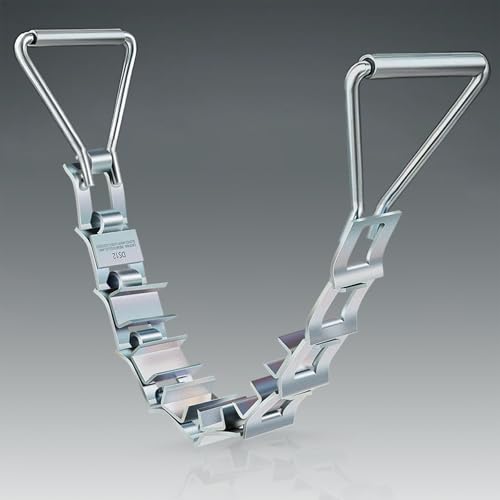
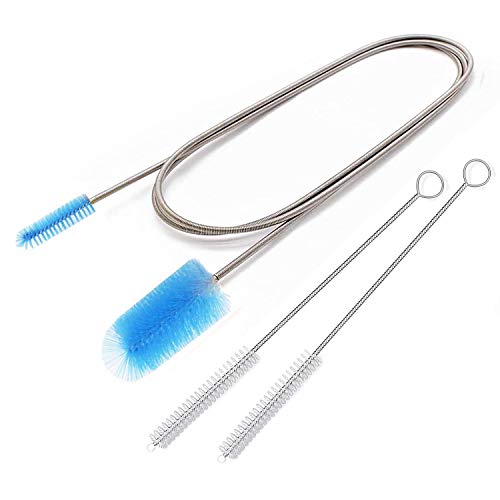
Before You Start
Before beginning, turn off the power to the dishwasher at the breaker and unplug the unit. Disconnect the supply and drain hoses only if you are comfortable with basic plumbing steps. Have towels ready for spills and a shallow tray to catch water. Exercise caution around electrical connections and water to avoid shock or damage. Expect the process to take 30–90 minutes depending on access and blockages. If you encounter gas smell or severe leaks, stop immediately and contact a professional.
Step-By-Step: How To Clean Dishwasher Lines
- Inspect the exterior and under-sink area for obvious clogs or kinks in hoses, then remove the kickplate to access the drain hose and vent paths.
- Run a short hot-water rinse to loosen loose debris in the interior of the dishwasher and drain path.
- Attach the dishwasher drain hose cleaning brush to a flexible rod and gently push it into the drain hose to dislodge hair, grease, and soap scum.
- Use the dishwasher line cleaning wand to probe the line connections, including where the hose meets the pump and the garbage disposal inlet, clearing any resistance with slow, steady motions.
- Insert the flexible pipe cleaner for dishwasher lines into the drain route and rotate it to scrub deposits from curved sections and elbows.
- With the dishwasher vent and drain cleaning tool, work through the vent or air admittance path to remove any odor-causing blockages or condensate buildup.
- Prepare a descaling solution following the tool kit instructions and run a cleaning cycle to dissolve mineral scale and trapped gunk in the lines.
- Reconnect hoses securely, check seals for wear, and run a test cycle with a small amount of detergent to verify smooth drainage and performance.
- If drainage remains slow, repeat the cleaning sequence focusing on tighter bends and joint connections, and consider flushing with warm water and a mild vinegar solution (never mix with bleach).
- Reinstall the kickplate, restore power, and run three complete cycles to ensure the lines stay clear and odors are minimized.
- Schedule periodic maintenance every 3–6 months or after a backup to maintain peak drainage efficiency.
Troubleshooting
| Symptom | Likely Cause | Fix | Prevention |
|---|---|---|---|
| Dishwasher drains slowly | Partial clog in drain hose or vent | Use cleaning tools to clear; run descale cycle | Regular cleaning every 3 months |
| Backups in sink or disposal | Blockage at disposal inlet or drain tee | Clear the disposal inlet with wand and hose brush | Avoid dumping large food scraps |
| Odor coming from dishwasher | Organic buildup in lines or filter | Descale and run deodorizing cycle | Keep filter clean, run hot water rinse |
| Air gap or vent blowing back | Vent blockage | Clean vent path with tool designed for vents | Inspect vent location during maintenance |
| Leaking connections after cleaning | Loose clamps or damaged hoses | Re-seat clamps and replace damaged hoses | Inspect hose integrity during routine service |
Common Mistakes
- Rushing through connections and not securing hose clamps
- Using harsh chemicals that can corrode seals or vent components
- Disregarding safety by not unplugging the unit or failing to drain residual water first
- Ignoring signs of persistent backups, which may indicate higher-level plumbing issues
Tips For Best Results
- Warm to hot water is most effective for dissolving grease in lines; avoid boiling water.
- Perform a dry-run test after reassembly to verify there are no leaks before running full loads.
- Keep a minimal amount of detergent when flushing lines to prevent excess suds during the test cycle.
- Consider using a seasonal cleaning schedule aligned with water hardness to minimize mineral buildup.
Call A Professional
Seek professional help if the dishwasher still backs up after a full cleaning cycle, if there are frequent clogs, or if the unit shows signs of water damage, corrosion, or significant leaks. If the disposal or main drain requires disassembly beyond your comfort level, contact a licensed plumber or appliance technician to avoid damage and ensure safe operation.
FAQ
Can I use vinegar to clean dishwasher lines?
Yes, a warm vinegar flush can help dissolve mineral deposits, but avoid mixing vinegar with bleach or ammonia and do not rely on it for heavy blockages.
How often should I clean dishwasher lines?
Typically every 3–6 months, or sooner if you notice slow drainage or odors.
What tools are essential for line cleaning?
Essential tools include a dishwasher drain hose cleaning brush, a dishwasher line cleaning wand, and a flexible pipe cleaner for dishwasher lines.
Is it safe to disassemble hoses myself?
It is safe for basic maintenance if you unplug the unit and use proper tools; if unsure, consult a professional.
How do I know if the problem is more than the lines?
If you experience frequent backups, loud grinding noises, or standing water after cycles, there may be a larger plumbing or pump issue requiring professional inspection.
Should I replace seals after cleaning?
Check seals for wear and replace any cracked or discolored gaskets to prevent leaks.
What about energy or water usage during cleaning?
Most cleaning steps use minimal water and energy; running a standard cycle with a descale product is typically efficient.
Buying Guide
When choosing accessories to help maintain dishwasher lines, consider the following factors to ensure compatibility and effective cleaning:
- Size and fit: Tools should match typical dishwasher hose diameters and fittings found in U.S. homes.
- Effectiveness: Prioritize kits and tools designed to target grease, mineral buildup, and vent blockages.
- Durability: Stainless or high-grade plastics resist wear from repeated use and exposure to cleaning agents.
- Ease of use: Ergonomic handles and step-by-step instructions help prevent damage to lines during maintenance.
- Compatibility: Check that tools work with standard dishwasher drain configurations and disposal connections.
- Noise and mess: Some tools can create splashes; prepare the work area with towels and a tray.
- Warranty and support: Look for brands offering clear warranties or customer support for tool kits.
Cleaning dishwasher lines is a practical maintenance task that, when done correctly, restores drainage and odor control. If you notice recurring issues or complex clogs, consider consulting a professional to ensure optimal performance without risking damage to the appliance or plumbing.