Dish gloves help protect hands from hot water, detergents, and harsh cleaners, but they need proper cleaning to prevent odors, mildew, and bacteria buildup. This guide provides practical steps, tools, and tips for keeping kitchen gloves fresh and ready for repeated use.
Following a simple routine can extend the life of gloves and improve sanitation in busy kitchens. The methods below apply to common household dish gloves and compatible glove-cleaning tools.
Quick Answer
Key takeaway: Rinse gloves after use, remove debris, scrub with appropriate tools, air-dry fully, and store in a dry area. For stubborn residue, use a mild detergent or a specialty cleaner designed for gloves.
What You’ll Need
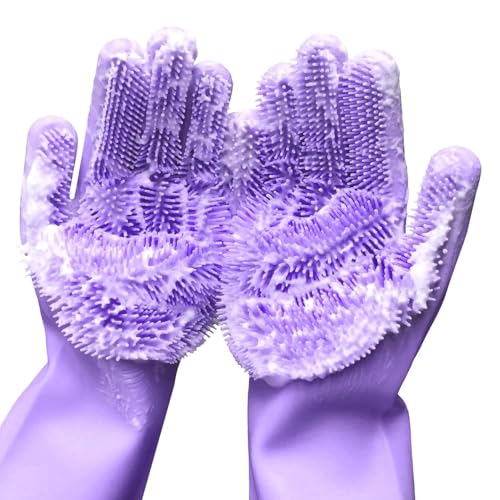
- Silicone dish gloves cleaning brush
- Dishwashing glove scrubber
- Glove cleaning brush for kitchen gloves
- Dish gloves washing sponge brush
- Dishwashing glove cleaner tool


Before You Start
Prepare a sink or basin with warm water and a mild soap or detergent. Avoid abrasive cleaners and bleach on colored gloves, as they can degrade materials over time. Have a dry towel handy to pat gloves dry after washing. If gloves have lingering odors, consider a quick deodorizing soak in a solution of water and white vinegar (1:1) for a few minutes, then rinse thoroughly.
Step-By-Step: How To Clean Dish Gloves Efficiently
- Remove loose debris from the exterior of the gloves by rinsing under warm running water.
- Gently turn the cuffs inside out to inspect the inner lining for dirt or grime.
- Apply a small amount of mild dish soap to a glove cleaning brush for kitchen gloves or a dishwashing glove cleaner tool and scrub the exterior in circular motions.
- For the interior, brush with a light layer of soap and rinse, paying attention to the fingertips and seams where buildup tends to accumulate.
- Rinse thoroughly with warm water until no soapy residue remains.
- Inspect for remaining stains or odors; if present, repeat the brushing and rinsing or soak briefly in a mild soap solution.
- Gently squeeze out excess water and air-dry the gloves on a clean rack or towel with fingers spread apart.
- Store in a dry, well-ventilated place away from direct heat or sunlight to prevent material degradation.
Troubleshooting
| Symptom | Likely Cause | Fix | Prevention |
|---|---|---|---|
| Persistent odor after washing | Residual moisture or trapped odors inside | Air-dry completely; consider a short deodorizing soak with vinegar solution | Dry gloves thoroughly after each use |
| Discoloration on fingertips | Stubborn stains from oils or dyes | Rewash with a gentle brush; avoid harsh cleaners | Rinse gloves promptly after contact with staining substances |
| Material feels stiff | Exposure to heat or prolonged soaking | Air-dry away from heat; avoid hot water beyond recommended temperature | Store in a cool, dry area |
| Exterior tearing or thinning seams | Overly aggressive brushing or aging gloves | Use softer brushing tools and replace worn gloves | Limit rough scrubbing and follow care instructions |
Common Mistakes
- Washing gloves in very hot water which can warp material
- Using bleach or strong solvents that degrade elasticity
- Ignoring inner lining where bacteria can thrive
- Storing gloves while damp, promoting mildew growth
Addressing these mistakes helps maintain glove integrity and hygiene over time. Regular brushing with the right tools is far more effective than rough scrubbing or neglect.
Tips For Best Results
- Use silicone dish gloves cleaning brush to reach tight grooves near the cuffs and fingertips.
- Alternate between exterior and interior brushing to ensure comprehensive cleaning.
- Rinse gloves in clean water between soaping steps to prevent residue buildup.
- Let gloves fully dry before stacking or storing to prevent mildew.
- Label storage with a quick check for expiry or wear and replace when necessary.
Call A Professional
Professional cleaning is rarely required for household dish gloves. Seek assistance if gloves show signs of persistent mold, significant material breakdown, or if there is persistent irritation after reuse due to latex allergies or chemical sensitivity.
FAQ
How often should dish gloves be cleaned?
Clean gloves after each use or at the end of a cleaning session to prevent odor and bacteria buildup.
Can I wash dish gloves in a dishwasher?
Dishwashers are not recommended for gloves; hand washing with a brush provides gentler, more thorough cleaning.
What should I use to remove strong odors?
A quick vinegar-water soak followed by thorough rinsing helps neutralize odors without harsh chemicals.
Are there gloves that are easier to clean?
Gloves made from latex or silicone with smooth interiors tend to be easier to clean than heavily textured surfaces.
Buying Guide
When choosing gloves and cleaning tools, consider size, material, and compatibility with cleaning brushes. Key buying factors include:
- Size and fit: Ensure gloves fit snugly but allow full hand movement.
- Material: Latex-free options reduce allergy risk; silicone gloves are durable and easy to clean.
- Noise and ease of cleaning: Tools like silicone cleaning brushes should be easy to rinse and air-dry.
- Energy and water efficiency: Efficient cleaning doesn’t require extra heat; use warm water and short rinses.
- Controls and maintenance: Simple scrub brushes with ergonomic handles improve cleaning without harsh scrubbing.
- Placement and storage: Keep gloves in a dry area away from direct sun to preserve elasticity.
For households with frequent dishwashing, consider a dedicated glove-cleaning kit that combines a glove cleaner tool with a set of specialized brushes to target cuffs, seams, and interiors efficiently.