Dining tables endure daily use, spills, and fingerprints, making routine cleaning essential to maintain their look and longevity. This guide outlines practical steps and the right products to keep a wood dining table spotless, nourished, and scratch-free.
Quick Answer
For best results, remove debris, wipe with a wood-safe cleaner, dry promptly, and apply polish or wax to restore shine and protection. Use microfiber cloths to avoid scratches and follow up with a polish kit to maintain the finish.
What You’ll Need
- Microfiber cloths for wood dining table cleaning
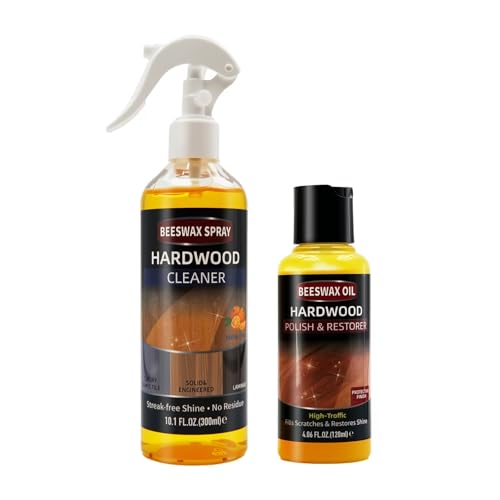
- Wood table cleaner spray for dining room
- Furniture polish and wax kit for wood tables
- Wood furniture cleaner kit for tables
- Wood table scratch remover and polisher kit


Before You Start
Before cleaning, remove all items from the table and wipe away loose crumbs with a dry microfiber cloth. Work in a well-lit area to spot sticky residues. Test any cleaner on a small, inconspicuous area first to confirm it does not affect the finish. Avoid harsh chemicals, ammonia-based cleaners, and soaking the wood. Plan for a 10–20 minute routine to complete a light cleaning, or up to 40–60 minutes for deeper polishing and scratch maintenance. If your finish is damaged or heavily worn, consider professional refinishing instead of DIY polishing.
Step-By-Step: How To Clean A Dining Table
- Remove items and dust the surface with a dry microfiber cloth to lift loose dirt and prevent scratches.
- Spray a wood table cleaner spray for dining room onto a clean microfiber cloth, not directly on the table, to avoid pooling on edges.
- Wipe in the direction of the grain, applying light pressure to lift grime without removing the finish.
- For sticky or oily spots, apply a small amount of cleaner to the cloth and gently buff, then wipe with a dry part of the cloth.
- Dry the surface with a separate clean microfiber cloth to prevent water residue that could cause water spots.
- Apply a furniture polish and wax kit for wood tables according to the product directions, working in small sections and allowing the finish to dry to a soft sheen.
- Use a wood table scratch remover and polisher kit on any minor scratches or dull areas, following the kit’s instructions for best results.
- Buff the entire table with a clean, dry cloth to even out the shine and remove any remaining residue.
Troubleshooting
| Symptom | Likely Cause | Fix | Prevention |
|---|---|---|---|
| Cloudy or streaky finish | Residue from cleaner or improper buffing | Re-wipe with a clean microfiber cloth and a minimal amount of cleaner | Use small amounts and wipe in grain direction |
| Water rings or spots | Moisture intrusion | Dry thoroughly and reapply protective wax/polish | Use coasters and promptly dry spills |
| Scratches not improving | Too deep or worn finish | Spot treat with scratch remover kit or consult pro | Avoid abrasive cleaners |
| Finish dulls over time | Lack of regular polishing | Apply furniture polish and wax kit as scheduled | Follow maintenance schedule |
Common Mistakes
- Using all-purpose cleaners not intended for wood finishes
- Over-wetting the surface or leaving standing liquid
- Skipping the drying step after cleaning
- Skipping a protective polish after cleaning, which can dull the finish
Keeping these in mind helps preserve the table’s color, grain, and surface integrity over time.
Tips For Best Results
- Dust regularly with a microfiber cloth to minimize abrasive buildup.
- Test any cleaner or polish on an inconspicuous area first.
- Use warm water sparingly and avoid soaking the wood surface.
- Maintain a consistent polishing routine to extend the table’s life.
Call A Professional
Consult a pro if the table shows extensive water damage, deep cracks, or finish peeling. Signs to seek help include peeling veneer, significant warping, or finish discoloration that worsens despite cleaning. For minor scratches, DIY scratch remover can help, but broader repairs require expert assessment.
FAQ
Can I use regular dish soap to clean a wood dining table?
Dish soap is generally not recommended for wood finishes; use products formulated for wood or a mild, wood-safe cleaner.
How often should I polish my wood dining table?
Polish every 1–3 months, depending on use and finish condition, to maintain shine and protection.
Is it safe to use water to clean a wood table?
Light moisture is acceptable with proper drying, but avoid soaking the wood and wipe dry promptly after cleaning.
What should I do about heat rings from hot dishes?
Use a coaster or trivet; for minor rings, a scratch remover kit may help restore the finish.
How do I remove sticky residue from a table finish?
Apply a small amount of wood-safe cleaner to a microfiber cloth and buff gently along the grain until the residue lifts.
When should I consider refinishing the table?
If the finish is extensively worn, faded, scratched, or peeling, refinishing may be more effective than repeated polishing.
Buying Guide
When selecting products to care for a wood dining table, consider size, finish type, and your routine. A good kit combo can include a wood table cleaner spray for dining room, microfiber cloths, and a furniture polish and wax kit for wood tables. Look for products labeled safe for wood finishes and compatible with the table’s sealant (polyurethane, varnish, or oil-based finishes).
Key buying factors:
- <bSize and coverage: Choose a cleaner and polish kit that covers multiple cleanings without excessive waste.
- <bNoise level and ease of use: Spray bottles, pump sprays, and ready-to-use wipes offer different convenience levels.
- <bEnergy efficiency is less relevant here; focus on product formulations that minimize waste and are long-lasting.
- <bControls: Simple spray or wipe-on applications help reduce misuse and streaks.
- <bPlacement: Store in a cool, dry cabinet away from direct sunlight to maintain effectiveness.
Also assess compatibility with existing finishes and whether the kit includes a scratch remover, which can save future maintenance time. For households with children or pets, select non-toxic, low-VOC options to maintain a healthy living space.