Diamond rings require careful cleaning to maintain their sparkle without risking damage to settings or stones. This guide provides practical, safe methods using common tools and specialty cleaners designed for diamond jewelry. Readers will learn a step-by-step routine, safety considerations, and when to seek professional help.
Regular cleaning can restore the fire of a diamond while preserving the metal setting. The approach outlined here emphasizes gentle methods, proper tools, and routine maintenance that fits American households and busy schedules.
Quick Answer
Best overall routine: Use a mild, ammonia-free solution and a soft brush, rinse in lukewarm water, then dry with a microfiber cloth. For tougher buildup, consider an ultrasonic jewelry cleaner or steam cleaner, but follow product instructions and avoid heat damage to delicate settings. Regular light cleaning is safer than aggressive methods.
What You’ll Need
- Ultrasonic jewelry cleaner for diamond rings
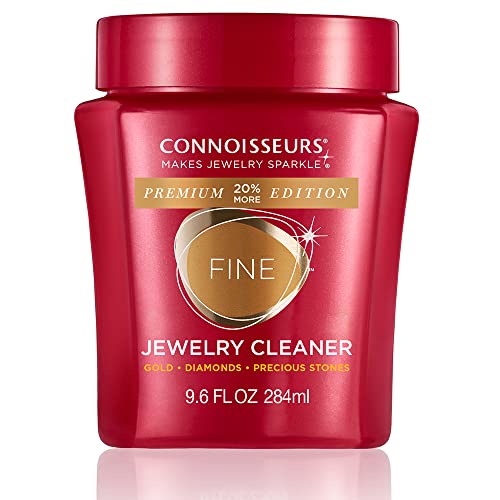
- Ammonia-free jewelry cleaning solution for diamonds
- Ring cleaning brush set for diamond rings
- Microfiber polishing cloth for diamond rings
- Steam jewelry cleaner for diamonds


Before You Start
Assess the ring for loose stones, damaged prongs, or visible wear. Do not submerge rings with fragile stones or refillable settings that could trap debris. Work in a well-lit area and remove the ring before activities that could expose it to harsh chemicals or heat. Always follow manufacturer instructions for any consumer cleaning device and avoid mixing cleaners. Time estimates: basic cleansing 5–10 minutes; deep cleaning with a cleaner or steam may take 15–20 minutes.
Step-By-Step: How To Clean Diamond Rings
- Remove the ring and inspect the setting for loose stones or damaged prongs before cleaning.
- Rinse the ring briefly under warm running water to remove surface dust and prevent splashing into crevices during cleaning.
- Prepare a cleaning basin with lukewarm water and add a small amount of ammonia-free jewelry cleaning solution for diamonds. Do not use hot water or strong solvents.
- Submerge the ring in the solution and use a ring cleaning brush set for diamond rings to gently scrub the CZ or diamond facets, paying attention to under-bezel areas and prongs.
- Rinse the ring under lukewarm water to wash away any loosened debris. Ensure the sink drain is blocked or use a bowl to catch the ring in case of a slip.
- Dry the ring with a microfiber polishing cloth for diamond rings, then inspect for remaining smudges or hidden dirt in tight spaces.
- If there is stubborn grime, you may run a brief cycle in an ultrasonic jewelry cleaner for diamond rings following the device’s instructions, ensuring the ring is durable enough for ultrasonic exposure.
- For a deeper clean or to remove mineral buildup, consider a steam jewelry cleaner for diamonds per the product’s guidance, keeping the ring away from heat-sensitive stones and settings.
- Recheck the setting after cleaning and re-fit any loose stones. If any prongs look worn, stop and seek professional inspection.
- Store the ring in a soft pouch or jewelry box, separate from other pieces to avoid scratching the diamond facets.
- Routinely repeat this process every few weeks or after heavy wear to maintain brilliance.
Troubleshooting
| Symptom | Likely Cause | Fix | Prevention |
|---|---|---|---|
| Diamond appears dull after cleaning | Residue or water spots | Wipe again with dry microfiber cloth; ensure complete drying | Dry thoroughly after rinsing; use lint-free cloth |
| Stone feels loose | Prong or setting wear | Do not continue cleaning; schedule professional inspection | Regularly inspect and tighten prongs as needed |
| Ring color or metal tarnish | Harsh cleaner exposure | Switch to ammonia-free solution; avoid acidic cleaners | Use proper cleaners designed for the metal type |
| Crackling or damage from ultrasonic cleaner | Delicate setting or stone | Discontinue ultrasonic use and consult a jeweler | Avoid ultrasonic on fragile designs |
Common Mistakes
- Using household bleach or acidic cleaners on diamonds and settings
- Over-soaking in a single cleaning solution for prolonged periods
- Neglecting to rinse thoroughly, leaving cleaner residue behind
- Cleaning a ring with loose stones in an ultrasonic device
Careful handling and choosing the right products help maintain the ring’s integrity over time.
Tips For Best Results
- Clean rings at regular intervals to prevent buildup that dulls brilliance.
- Use a dedicated brush with soft bristles to avoid scratching metal and stones.
- Always dry with a lint-free microfiber cloth to prevent water spots.
- Test any new cleaning method on a small, inconspicuous area if possible.
- Store rings separately to prevent scratches when not worn.
Call A Professional
Seek professional help if the ring shows:
- Loose or missing stones
- Damaged prongs or bent settings
- Discoloration or metal damage that cleaning cannot remedy
Professionals can safely tighten settings, replace prongs, or perform ultrasonic cleaning with equipment calibrated for delicate jewelry.
FAQ
Can I use toothpaste to clean a diamond ring?
No. Toothpaste is abrasive and can scratch metals and stones. Use gentle cleaners made for jewelry.
Is ultrasonic cleaning safe for all diamond rings?
Not always. Ultrasonic cleaners can loosen stones or damage delicate settings. Follow manufacturer guidelines and test carefully.
How often should I clean my diamond ring?
Cleanings every few weeks to months, depending on wear, lifestyle, and exposure to lotions or chemicals.
What should I do if my ring turns cloudy after cleaning?
Rinse again, dry thoroughly, and verify there are no cleaner residues trapped in settings. If cloudiness persists, consult a jeweler.
Buying Guide
When selecting cleaning tools for a diamond ring, consider size, noise level, energy efficiency, controls, and placement in the home. For most households, an ammonia-free cleaner paired with a soft brush offers a safe baseline. If deeper cleaning is desired, a steam cleaner provides efficient results but requires careful use to protect settings. Ultrasonic cleaners deliver quick, thorough cleansing but may pose risks for fragile rings; always check the ring’s setting and treaty with the device’s instructions. For routine care, a microfiber cloth is essential for a final wipe and shine.
Key buying factors include:
- Size and capacity: Choose devices that fit your typical ring size and space constraints.
- Noise level: Some steam or ultrasonic cleaners operate quietly, which suits shared living spaces.
- Energy efficiency: Look for energy-saving modes and auto-off features for safety and cost savings.
- Controls and safety: Simple, clearly labeled settings reduce misuse. Ensure automatic shutoff and temperature safeguards.
- Placement: Consider countertop or cabinet storage; ensure access to a sink for rinsing.
- Maintenance: Replace cleaning solutions as recommended and store materials in a dry, cool place.
Bottom line: pairing an ammonia-free cleaner with a soft brush covers most cleaning scenarios, while specialty devices offer deeper cleaning for particularly dirty rings—yet require careful adherence to instructions and ring durability. With the right tools and routine, a diamond ring can maintain its brilliance for years to come.