Maintaining a clean dishwasher helps it run efficiently, prevent odors, and ensure dishes come out sparkling. This guide provides a clear, practical approach for American homes, using common cleaning tools and safe cleaners. The steps focus on removing buildup, descaling where needed, and keeping essential components in good shape for everyday use.
Quick Answer
Run a hot cleaning cycle with a dishwasher cleaner or descaling tablets, clean the filter and spray arms, and wipe the door seals. Use a dishwasher cleaning brush with scraper to dislodge debris, and follow up with a descaling tablet kit for mineral buildup. Regular maintenance every 1–2 months prevents clogs and odors.
What You’ll Need
- Dishwasher cleaning brush with scraper
- Dishwasher descaling tablets kit
- Dishwasher filter cleaning brush
- Dishwasher spray arm cleaning tool
- Automatic dishwasher cleaner tablets


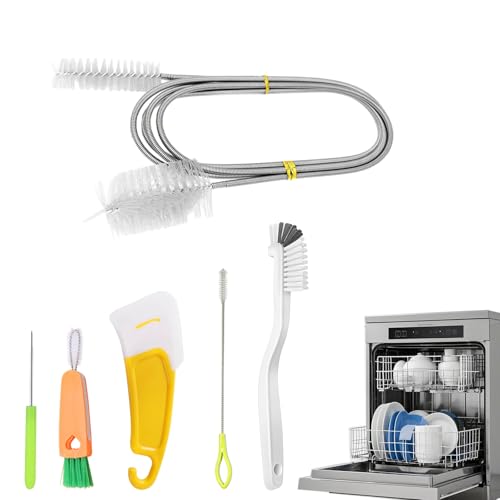
Before You Start
Before cleaning, ensure the dishwasher is cool to avoid burns and damage to internal components. Remove any large food scraps from the bottom and run a quick empty cycle if needed to loosen debris. Safety note: always follow manufacturer guidance for cleaners and avoid mixing chemicals. Do not use abrasive pads on stainless steel interiors, which can scratch surfaces. Plan for about 45–90 minutes depending on the dirt level and cycle options.
Step-By-Step: How To Clean A Dishwasher
- Deconstruct and inspect the interior: Remove the racks, check the bottom for food debris, and set aside the utensil basket.
- Clean the filter: Use the dishwasher filter cleaning brush to remove trapped particles. Rinse under warm water and reinsert.
- Clean the spray arms: Use the dishwasher spray arm cleaning tool to remove clogs from the holes. Gently scrub the arms and flush with water.
- Wipe seals and gaskets: Use a damp cloth to wipe the door seal and corners where grime collects. A small amount of cleaner can help lift buildup without damage.
- Descale the interior: Place the dishwasher descaling tablets kit in the bottom or run an empty cycle with the tablet as directed by the package to tackle mineral scale.
- Run an empty cleaning cycle: Add automatic dishwasher cleaner tablets to the detergent dispenser or drum and run the hottest setting for a complete flush.
- Reassemble and test: Put the racks back, run a short sanitize cycle, and inspect for spotless results; adjust loading for better water flow if some items look uneven.
- Address any stubborn odors: If odors persist, repeat the process monthly or as needed, focusing on the filter and seals.
- Schedule routine maintenance: Mark a calendar reminder to perform cleaning every 1–2 months, aligning with water hardness and usage.
- Restore performance: If performance remains poor after cleaning, check for a clogged drain or malfunctioning pump with a professional assessment.
- Document results: Note which products worked best and any recurring issues for future reference.
Troubleshooting
| Symptom | Likely Cause | Fix | Prevention |
|---|---|---|---|
| Dishes come out spotted or streaky | Mineral buildup on spray arms or filters | Clean spray arms and filter; descale as needed | Regular cleaning schedule; soft water if possible |
| Foul odor | Residue in door seals or filter | Deep clean seals and filter; run empty cycle with cleaner tablets | Rinse after heavy loads; avoid leaving dirty dishes long |
| Water doesn’t drain fully | Clogged filter or drain hose | Inspect and clear filter and hose; run a maintenance cycle | Remove large debris before loading |
| Spray arms not rotating | Clogged arm holes | Clean with spray arm tool; ensure no blockages | Regular inspection during cleaning |
| Cycle ends early | Thermal fuse or sensor issue | Consult a professional if basic cleaning doesn’t help | Follow manufacturer maintenance recommendations |
Common Mistakes
- Using harsh or abrasive cleaners that damage stainless steel finishes.
- Forgetting to remove old food scraps before loading, which leads to recurring clogs.
- Overloading or blocking spray arms with large dishes, reducing cleaning efficiency.
- Neglecting to descale in areas with hard water, resulting in mineral buildup.
- Skipping regular maintenance, causing odors and performance drops over time.
These small missteps can reduce effectiveness and require more intensive cleaning later.
Tips For Best Results
- Run an empty cycle with descaling tablets every 1–2 months in areas with hard water.
- Use the dishwasher cleaning brush with scraper to reach tight corners and the dishwasher spray arm cleaning tool for blocked holes.
- Clean the filter thoroughly after heavy cooking loads to prevent clogs.
- Keep the exterior door surface dry to reduce watermarks and residue buildup.
- Match cleaner types to your water hardness level for maximum descaling efficiency.
Call A Professional
Call a professional if persistent odors return after a full cleaning, if the dishwasher stops draining, or if cycles fail to complete despite routine maintenance. Signs that require expert help include persistent leaks, unusual noises from the pump, or error codes that do not clear after reset.
FAQ
How often should I clean my dishwasher?
Most households benefit from a thorough clean every 1–2 months, with descaling more often in hard water areas.
Can I use vinegar to clean my dishwasher?
Vinegar can help with odor but is not recommended for the entire cleaning cycle with certain seals; follow manufacturer guidance and use designated cleaners when possible.
What’s the best way to clean the filter?
Remove the filter, rinse under warm water, use a soft brush if needed, and reinsert once clean.
Why are my dishes still dirty after a wash?
Check spray arms for clogs, clean the filter, ensure proper loading, and consider descaling if mineral buildup is present.
Should I pre-rinse dishes before loading?
Briefly scrape off large food particles, but avoid pre-rinsing heavily, as most modern dishwashers rely on some soil to enhance cleaning efficiency.
Buying Guide
When choosing cleaning tools and products for a dishwasher, consider factors that influence effectiveness and ease of use.
- Size and compatibility: Ensure brushes and tools fit the interior dimensions of your model and are safe for stainless steel and plastic components.
- Noise level: Some cleaners and tools operate quietly; check product specs if noise is a concern during cycles.
- Energy and water usage: Maintenance does not significantly affect energy, but a well-maintained machine runs more efficiently and protects gaskets and seals.
- Controls and indicators: Look for products with clear instructions, especially descaling tablets that specify cycle timing and dosage.
- Placement and storage: Choose compact tools that store easily under the sink or in a cleaning caddy without clutter.
Comparison considerations include how quickly a kit handles mineral buildup, how often you need to replace brushes, and the compatibility of tablets with your dishwasher’s detergent system. A practical setup combines a descaling system, a dedicated brush for the filter, and a spray arm cleaning tool for comprehensive upkeep. Regular maintenance reduces the likelihood of odors and improves overall cleaning performance.