Curtains add warmth and privacy to a room, but they can trap dust, allergens, and odors. Regular cleaning helps extend their life and keeps indoor air clearer. This guide provides a practical, step-by-step approach for American households using commonly available tools.
Quick Answer
Most curtains benefit from a quick vacuum to remove surface dust, followed by steam or gentle washing for deeper cleaning. Always check the fabric care label and test a small area first. For delicate fabrics, consider professional cleaning or spot cleaning with a fabric brush attachment and soft vacuum head.
What You’ll Need
- Handheld fabric steamer for curtains
- Portable steam cleaner for curtains
- Vacuum with upholstery tool for curtains
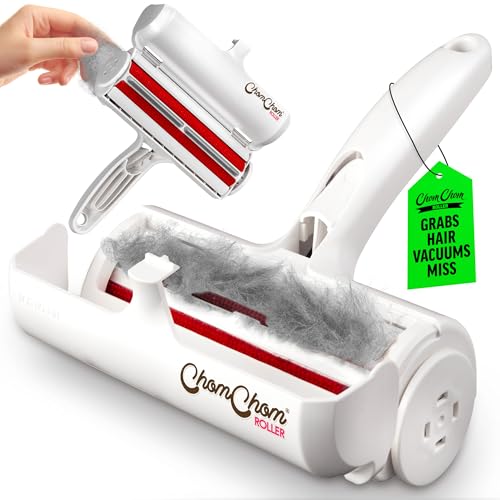
- Lint roller for curtains
- Curtain cleaning kit with fabric brush and vacuum attachment


Before You Start
Before cleaning, remove the curtain rod if possible to prevent snagging, and lay a drop cloth or old sheet beneath the window to catch dust and debris. Always read the curtain’s care label for water temperature, cleaning solvents, and whether steam is safe. If the fabric is delicate, such as silk or lace, opt for the gentlest method or professional cleaning. Always unplug electrical cleaners when not in use and avoid saturating fabrics that retain water. Plan for time: larger windows may require 30–60 minutes, including drying time.
Step-By-Step: How To Clean Curtains
- Remove curtains from rods and shake gently outdoors or over a bathtub to dislodge loose dust.
- Run a vacuum with an upholstery tool along both sides of the fabric to remove surface dirt. Use a slow, even stroke and avoid applying heavy pressure.
- For synthetic or machine-washable fabrics, set the washing machine to a gentle cycle with cold water and mild detergent, then air-dry or tumble on low heat if allowed by the care label.
- For delicate fabrics or non-washable curtains, use a handheld fabric steamer for curtains or portable steam cleaner for curtains to relax fibers and lift stains. Keep the steamer a few inches away to avoid water spots.
- Spot-clean persistent stains with a mild mixture appropriate for the fabric, using a cloth or the fabric brush from a curtain cleaning kit. Test on a hidden area first.
- Rehang the curtains while they are still slightly damp to help minimize wrinkles. If needed, use a garment steamer on low heat across the fabric after remounting.
- Brush away lint and dust using a lint roller for curtains or the fabric brush from your cleaning kit. This helps remove pet hair and fiber particles after steaming or washing.
- Inspect the seams and hems; repair small loose threads as needed and wash or steam any areas showing signs of wear.
- Allow full drying before closing the windows to prevent moisture buildup and mold growth.
Troubleshooting
| Symptom | Likely Cause | Fix | Prevention |
|---|---|---|---|
| Fabric still creased after washing | Washing alone didn’t remove wrinkles | Use a handheld steamer or steam cleaner on low heat | Dry fabrics evenly; avoid overloading the washer |
| Water spots after steaming | Cold water drips or hard water mineral buildup | Wipe with a damp cloth and retake with steamed water | Use distilled water if possible |
| Color fading or color bleeding | Using harsh detergents or hot water | Switch to a mild detergent and cold-water wash | Test a hidden area first, follow care label |
| Fabric snagging on rough surfaces | Rods or rings snagging fabric | Check and smooth hardware; consider fabric-safe guards | Choose smooth, clean hardware; handle with care |
Common Mistakes
- Ignoring the care label and using high heat or harsh stains removers on delicate fabrics.
- Over-wetting curtains, which prolongs drying time and can promote mold.
- Skimping on ventilation during drying, especially in humid spaces.
- Using excessive pressure with a vacuum or brush, which can cause fabric wear.
Tips For Best Results
- Test any cleaning method on a small, inconspicuous area before full cleaning.
- Perform cleaning in a well-ventilated room or outdoors to manage dust and odors.
- Schedule deep cleaning seasonally and do quick spot cleans monthly to Save time.
- Store extra curtain panels clean and dry to prevent musty odors when they’re not in use.
- Use a curtain cleaning kit with a fabric brush and vacuum attachment for quick refreshes between deep cleans.
Call A Professional
Consider a professional cleaner if curtains are heavily stained, very delicate (such as silk or intricate embroidery), or if cleaning requires immersion that could shrink or deform the fabric. Stop and seek help if you notice color loss, fabric fraying, or if steam causes unexpected odors or damage.
FAQ
Can I wash all curtains in a washing machine?
No, some fabrics require hand washing or dry cleaning. Always check the care label before machine washing.
Is steam cleaning safe for blackout curtains?
Yes, steam can refresh many blackout fabrics, but test a hidden area first and use gentle settings to avoid moisture damage.
How often should curtains be cleaned?
Light dusting and vacuuming can occur weekly, with a full clean every 3–6 months depending on exposure to dust, pets, and smoke.
What if stains won’t come out?
Spot clean and consider professional cleaning for stubborn stains, especially on delicate fabrics.
Are there eco-friendly curtain cleaning options?
Yes, mild detergents, distilled water for steaming, and reusable fabric brushes reduce environmental impact.
Buying Guide
Choosing the right cleaning approach depends on curtain type, room use, and vendor recommendations. Key factors include size, noise level of equipment, energy efficiency, controls, and placement. For households with pets or children, a lightweight, compact setup that stores neatly is advantageous. Consider a versatile toolkit that covers both deep cleaning and quick refreshes, such as a curtain cleaning kit with fabric brush and vacuum attachment for routine care, alongside a portable steam cleaner for curtains for occasional deep cleaning. When evaluating tools, compare suction power, steam output, and compatibility with different fabric weights. Placement matters too; ensure you have accessible outlets and room to operate a steamer or vacuum without knocking over furniture. Finally, read product reviews focusing on reliability, maintenance needs, and customer support to choose trusted options that align with your cleaning cadence.