Crystal glasses require careful handling to maintain their clarity and sparkle. With the right tools and a gentle method, you can remove fingerprints, mineral deposits, and cloudiness without scratching delicate surfaces. This guide outlines a practical, step-by-step approach tailored for American kitchens and households.
Whether you’re preparing for a dinner party or simply keeping everyday crystal pristine, following these steps will help preserve brilliance and longevity. The method focuses on safe cleaning products, proper brushing and drying techniques, and practical maintenance tips.
Quick Answer
Use a soft, ammonia-free glass cleaner and a gentle scrub with a soft bristle crystal glass cleaning brush with a long handle, followed by thorough drying with a crystal stemware polishing cloth. For stubborn spots, switch to a microfiber lint-free glassware cleaning cloth and ensure all items are air-dried upright to prevent water spots.
What You’ll Need
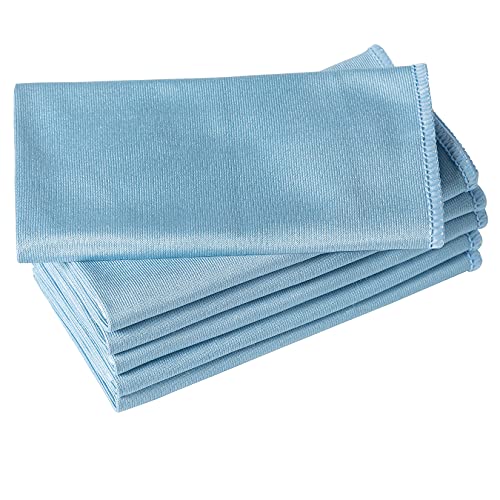
- microfiber lint-free glassware cleaning cloth for crystal glasses
- soft bristle crystal glass cleaning brush with long handle
- crystal stemware polishing cloth 12×12 inches
- wine glass stem cleaner brush flexible neck set
- ammonia-free glass cleaner spray for crystalware


Before You Start
Inspect each glass for cracks or rough edges before cleaning. Wash hands to remove lotion or oils that could transfer to the crystal. Use lukewarm water for cleaning and avoid extreme temperatures, which can stress glass. Work in a clean, clutter-free area to minimize the risk of tipping glasses. Always handle stems near the base and avoid gripping the bowl tightly to prevent chips or breaks. Plan for a dry area or towel-dry setup if air-drying is not available.
Step-By-Step: How To Clean Crystal Glasses
- Fill a basin with warm water and add a small amount of ammonia-free glass cleaner spray for crystalware. Submerge glassware briefly to loosen residues.
- Gently rinse each piece under lukewarm tap water to remove cleaning solution and soap films.
- Use the soft bristle crystal glass cleaning brush with long handle to reach inside bowls and near the rims without applying excessive pressure.
- For stubborn spots, switch to the wine glass stem cleaner brush flexible neck set to target the stem and base without scratching delicate surfaces.
- Rinse thoroughly with clean lukewarm water, ensuring all cleaner is removed from the glass.
- Dry with the crystal stemware polishing cloth 12×12 inches or the microfiber lint-free glassware cleaning cloth for crystal glasses, using gentle, vertical strokes to prevent water spots.
- Inspect for any remaining haze or fingerprints. If needed, repeat the cleaning cycle on problematic pieces.
- Store glasses upright in a secure cabinet to keep them aligned and free from dust between uses.
- For drying efficiency, place towels or a soft mat underneath to catch drips and protect countertops.
- After drying, polish the rims once more with the microfibre cloth to maximize brilliance.
- Handle crystal with dry hands only, and avoid stacking while still damp to prevent chipping.
- Label a dedicated drying rack for crystal so it dries consistently without contact with other dishware.
Troubleshooting
| Symptom | Likely Cause | Fix | Prevention |
|---|---|---|---|
| Cloudy white film | Hard water deposits | Use distilled or filtered water during the rinse; re-clean if needed | Rinse thoroughly; dry promptly |
| Streaks after drying | Residue from cleaner or cloth | Switch to a clean microfiber cloth and re-wipe | Dry with a lint-free cloth only |
| Chips on rim | Impact while handling or stacking | Use two-person lift for tall stems; avoid crowded storage | Inspect and separate fragile pieces |
| Scratches on bowl interior | Hard-bristle contact or abrasive residue | Use only soft brushes and avoid scrubbing near the rim | Rinse and handle gently |
Common Mistakes
- Using abrasive pads or rough towels that scratch crystal surfaces
- Washing crystal in hot water, which can cause cracking or crazing
- Rubbing aggressively around rims or stems while cleaning
- Letting glasses air-dry in cluttered spaces where dust or other items can settle
Tips For Best Results
- Always start with warm water and a small amount of ammonia-free cleaner to minimize residues.
- Use long-handle tools to reach the base and inside bowls without tipping the glass.
- Keep a dedicated cleaning kit for crystal glasses to avoid cross-contamination with everyday dishware.
- Dry each piece thoroughly and in a consistent orientation to prevent water marks.
- Store stemware in a protected cabinet with slip-resistant liners to reduce chipping.
Call A Professional
Consider professional help if crystal pieces have severe cloudiness not responsive to standard cleaning, visible cracks, or if any piece is highly valuable and irreplaceable. Seek a glass-professional restoration service for chips, cracks, or extensive clouding that might worsen with DIY methods.
FAQ
Can I use regular dish soap on crystal glasses?
It’s better to use ammonia-free cleaner designed for crystal to avoid residues that can dull brilliance.
How should I dry delicate crystal?
Dry with a clean crystal stemware polishing cloth or a microfiber cloth, using gentle strokes to prevent scratches.
Is warm water safe for crystal?
Yes, warm water is typically safe, but avoid hot water and rapid temperature changes that can stress the glass.
How do I prevent water spots?
Rinse with clean water and dry promptly with a lint-free cloth after washing.
Buying Guide
When choosing products for cleaning crystal glasses, consider size, material compatibility, and ease of use. Here are key buying factors to compare:
- <bSize and fit: Look for brushes with long handles that reach stems and bowls comfortably without excessive bending.
- <bNoise and practicality: Some cleaning tools are quieter and easier to maneuver; select items that feel balanced in hand.
- <bEnergy and water use: Ammonia-free cleaners often require less rinsing; consider whether you prefer spray bottles or larger liquid formats.
- <bControls and ease of use: Tools with non-slip grips and flexible necks can reduce accidents.
- <bPlacement and storage: A compact kit with dedicated compartments helps keep crystal safe and accessible.
- <bDurability: Choose brushes and cloths that resist fraying or shedding fibers over time.
- <bCompatibility: Ensure products are labeled safe for crystal and stemware to avoid etching or dulling.
Would you like a quick-start kit that combines a gentle brush, a polishing cloth, and an ammonia-free cleaner? A balanced set often provides the best combination of reach, safety, and results for most American households.