Removing stains from a couch can restore a living space’s look without the expense of professional cleaning. This guide provides practical steps, tools, and safety tips to tackle common couch stains using readily available products.
Different fabrics require different approaches. Always test cleaners on an inconspicuous area first and follow the furniture manufacturer’s care instructions when possible. The objective is to lift the stain without damaging the upholstery or altering the color.
Quick Answer
Identify the stain type, select an appropriate cleaner, and dab rather than rub to prevent fiber damage. For most everyday stains, a combination of blotting, gentle cleaning solution, and a microfiber cloth yields solid results. When in doubt, start with mild methods and progress to stronger cleaners if needed.
What You’ll Need
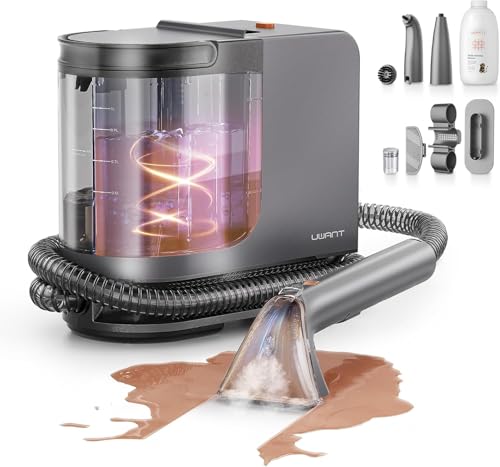
- Upholstery steam cleaner for couch stains
- Fabric stain remover spray for sofa upholstery
- Stain removing upholstery cleaning brush
- Microfiber cleaning cloths for sofa stains
- Portable upholstery cleaning machine for sofa


Before You Start
Prepare a clean, well-ventilated workspace. Vacuum the couch surface to remove loose debris before applying any liquids. Use gentle pressure and avoid saturating the fabric, which can lead to water stains or mold. Time estimates vary: light spot cleaning can take 15–30 minutes, while deeper stains may require multiple passes over several hours as the fabric dries.
Step-By-Step: How To Clean Couch Stains
- Assess the stain and fabric: note color fastness and label care instructions. This informs whether water-based cleaners are safe or if solvent-based products are needed.
- Blot, don’t rub: use a clean microfiber cloth to blot up as much liquid as possible. Rubbing can push the stain deeper and fray fibers.
- Apply a cleaner suited to the stain: spray fabric stain remover for sofa upholstery on a hidden area first, then apply to the stained region following product directions.
- Gently agitate with a stain removing upholstery cleaning brush: circular motions help lift the stain without distressing the fabric.
- Extract and lift: use an upholstery steam cleaner or portable cleaning machine to extract moisture and lifted dirt. Pass slowly to maximize contact time and ensure thorough extraction.
- Rinse lightly if needed: for water-based cleaners, use a damp cloth to remove residual cleaner and residues.
- Blot dry and air out: press a dry microfiber cloth against the area to remove moisture, then allow the area to air dry completely before sitting again.
- Repeat if the stain remains: some stubborn stains require a second treatment. Always ensure the fabric is not oversaturated before repeating.
- Inspect the result under different light: check for color changes or remaining traces and repeat only if necessary to avoid over-wetting.
- Finalize: once the stain is removed and the fabric is dry, brush the nap (if applicable) to restore texture.
- Prevent future staining: consider applying a fabric protector after cleaning, if compatible with the upholstery.
- Note: for oil-based stains, apply blotting and a solvent-oriented cleaner designed for upholstery, following safety guidelines and ventilation requirements.
Troubleshooting
| Symptom | Likely Cause | Fix | Prevention |
|---|---|---|---|
| Stain reappears after drying | Incomplete removal or stain embedded in fibers | Repeat cleaning with proper agitation and testing; avoid over-wetting | Address spills immediately; use fabric protector |
| Color fading or discoloration | Aggressive cleaner or over-wetting | Switch to milder cleaner; blot and rinse with clean water | Test patch first; use manufacturer-approved products |
| Streaks after cleaning | Uneven application or incomplete drying | Evenly spread cleaner; ensure complete drying | Dry thoroughly in a ventilated area |
| Fabric feels stiff after cleaning | Residue from cleaners | Rinse gently and blot until residue is removed | Use minimal product and thorough rinsing |
Common Mistakes
- Using hot water or heat on protein-based stains, which can set them.
- Over-saturating the fabric, leading to mold and odor.
- Rubbing aggressively, which damages fibers and spreads the stain.
- Skipping a patch test on hidden areas before full application.
Tips For Best Results
- Work from the outside edge of the stain toward the center to prevent spreading.
- Always blot—never rub—when lifting liquids from upholstery.
- Use microfiber cloths for their high absorbency and non-abrasive textures.
- Allow ample drying time between cleaning passes to avoid trapping moisture.
- Keep a small stain kit handy: portable upholstery cleaning machine, stain remover spray, and a few microfiber cloths.
Call A Professional
Seek professional help if stains are deeply set, require solvent-based cleaners that could damage fabric, or if the sofa is valuable or delicate. Stop and contact a pro if you notice dye bleed, fabric shrinkage, persistent odors, or signs of water damage after cleaning.
FAQ
Can I clean all couch fabrics the same way?
Most fabrics respond to gentle, patch-tested methods, but some textiles require professional care or manufacturer-approved cleaners.
Is steam cleaning safe for upholstery?
Steam can be effective but may not suit all fabrics; always verify fabric care instructions and perform a patch test.
How long does it take for a couch to dry after cleaning?
Drying times vary; typical recovery runs from 2 to 8 hours depending on fabric type, heat, and ventilation.
What if the stain is oil-based?
Oil-based stains often respond to solvent-based cleaners; follow safety guidelines and use a product designed for upholstery.
Should I use a fabric protector after cleaning?
Protectors can help resist future stains but verify compatibility with your fabric and cleaners used.
What supplies are essential for stain removal?
A portable upholstery cleaning machine, an upholstery brush, stain remover spray, and microfiber cloths cover most scenarios.
Is it safe to use household laundry detergents?
Household detergents can be too harsh for some fabrics; use products designed for upholstery and test first.
Buying Guide
When shopping for stain-cleaning tools and products, consider size, efficiency, and compatibility with your couch’s fabric. The right equipment simplifies maintenance and extends the life of furniture.
Key buying factors include size and portability, noise level during operation, energy efficiency of any powered cleaning devices, multiple controls for different surfaces, and placement flexibility to reach challenging areas.
For cleaning kits, ensure they include a dedicated upholstery brush, compatible fabric stain remover spray for sofa upholstery, and microfiber cloths. Look for products that specify safe use on common materials like microfiber, cotton, and synthetic blends.
Consider a upholstery steam cleaner for couch stains if you have multiple fabric types and want a versatile device. A portable upholstery cleaning machine for sofa offers mobility and quick spot cleaning. For targeted spots, a fabric stain remover spray for sofa upholstery paired with a stain removing upholstery cleaning brush provides precise control and gentle agitation.
Evaluate the total cost of ownership, including replacement cloths and cleaners, and assess whether the device is easy to use on your couch’s layout. Finally, read product reviews focusing on real-world performance, not just manufacturers’ claims, to ensure dependable stain removal results.