Copper furniture adds warm, rustic elegance to living spaces, but it can quickly show fingerprints, tarnish, and smudges. This guide provides practical, step-by-step methods tailored to American homes, using common household tools and carefully chosen products to restore shine without scratching the surface.
Readers will learn safe preparation, effective cleaning sequences, and maintenance tips to keep copper surfaces looking vibrant with regular care.
Quick Answer
Begin with a gentle cleaning to remove dirt, then apply a copper polishing product or polishing cloth to restore luster. For heavy tarnish, use a dedicated copper cleaner and a non-abrasive pad, followed by a soft cloth buffing. Seal with a polish paste if desired to slow tarnish between cleanings.
What You’ll Need
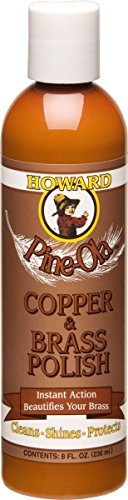
- copper furniture polish paste 8oz
- copper metal cleaner kit with microfiber cloths
- non-abrasive copper cleaning pad for furniture
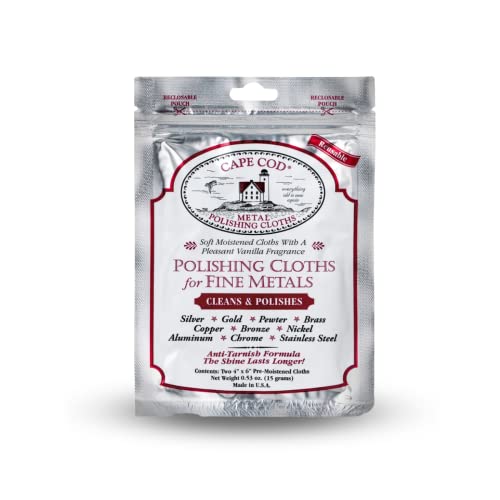
- copper polishing cloth set for metal surfaces
- rotary polishing pad for copper furniture buffing

Before You Start
Prepare a soft, breathable workspace and place a protective cloth or mat beneath the furniture to catch drips. Test cleaners on a small, inconspicuous area first to ensure no discoloration occurs. Avoid harsh abrasives, acidic cleaners, and ammonia-based products, which can scratch or tarnish copper finishes. Allow the surface to reach room temperature before cleaning, and work in a well-ventilated area.
Time estimate: 20–45 minutes for routine cleaning; longer for heavy tarnish restoration. If the piece has a lacquered finish, check manufacturer guidance before removing any sealant or coating.
Step-By-Step: How To Clean Copper Furniture At Home
- Dust the surface with a microfiber cloth to remove loose grit and prevent scratching.
- Wipe with a damp microfiber cloth to lift surface dirt; dry completely with a clean towel.
- If tarnish is light, apply a small amount of copper polish paste to a soft cloth and rub in circular motions.
- For heavier tarnish, use a copper metal cleaner kit with microfiber cloths following the product instructions.
- Use a non-abrasive copper cleaning pad for stubborn areas only, moving gently to avoid scratches.
- Buff with a copper polishing cloth set until a bright, even shine appears.
- Optionally apply a thin layer of polish paste to seal and slow tarnish; buff to a soft glow.
- Wipe away any residue with a clean cloth; inspect from multiple angles to ensure uniform shine.
- For intricate details, use a rotary polishing pad for copper furniture buffing with very light pressure.
- Store cleaning tools dry and clean after use to prevent transfer of residues to other surfaces.
- Schedule routine maintenance every few weeks, adjusting frequency by exposure to humidity and handling.
- Document any finish changes or notes for future reference and care planning.
Troubleshooting
| Symptom | Likely Cause | Fix | Prevention |
|---|---|---|---|
| Streaks after cleaning | Residue from cleaner or polish | Wipe with a clean, damp cloth and buff again | Use minimal product; remove all residues |
| Persistent dullness | Insufficient polishing or wax buildup | Re-apply a light coat and buff longer | Apply in thin, even layers |
| Scratches showing up | Using abrasive pads | Switch to non-abrasive pads and gentle pressure | Avoid metal scrubs on finished surfaces |
| Patchy tarnish after cleaning | Uneven exposure to air or moisture | Clean in small sections, dry thoroughly, and re-polish | Maintain consistent handling and humidity levels |
Common Mistakes
- Using abrasive pads or scouring powders on copper finishes
- Over-waxing or over-polishing in a single session
- Cleaning with ammonia, bleach, or acidic cleaners on lacquered copper
- Neglecting to dry surfaces completely before polishing
Tips For Best Results
- Test any cleaner on a hidden area before full application
- Use microfiber cloths to avoid lint and improve shine
- Maintain a regular cleaning schedule to minimize heavy tarnish
- Keep the area well-ventilated to manage cleaner fumes
- Label containers and store away from direct sunlight to protect finishes
Call A Professional
Seek professional help if copper shows deep patina, large areas of discoloration, or if the piece has antique value or a delicate lacquer finish. Stop cleaning if your cleaning attempts cause peeling, unusual staining, or heat damage to the surface.
FAQ
Can I clean copper furniture with lemon and salt?
Yes, a gentle lemon-and-salt paste can remove tarnish, but test first and use a soft cloth to avoid scratching.
How often should copper furniture be maintained?
A routine light cleaning every 2–3 weeks helps maintain shine; deeper polishing can be done monthly or as needed.
Is there a protective coating to reduce tarnish?
Some copper finishes are lacquered or sealed; follow manufacturer guidance to avoid removing protective coatings.
What should I avoid with copper furniture?
Avoid abrasive pads, acidic cleaners, ammonia-based products, and hard scrubbing that can scratch or dull the finish.
Buying Guide
When choosing products to clean and maintain copper furniture, consider size of the area to be treated, the level of tarnish, and the type of finish. Key buying factors include:
- Size and packaging: Pick a product size that matches the cleaning frequency and surface area; larger rooms may require bigger paste or kit quantities.
- Noise level and ease of use: Tools like polishing cloths and non-abrasive pads should be comfortable to handle without excessive noise or effort.
- Energy efficiency and sustainability of cleansers: Opt for environmentally friendly formulas when available.
- Controls and application: Look for clear instructions, mild scents, and simple cloth-based or pad-based application for consistency.
- Placement and storage: Store cleaners in a cool, dry place away from direct sunlight to preserve effectiveness and finish.
Considering these factors helps identify a balanced kit that includes a copper metal cleaner, polishing cloths, and non-abrasive pads for regular maintenance. If choosing a multi-piece kit, ensure each component serves a clear cleaning task and that parts are compatible with your copper finish.