Copper bracelets combine style with durable metal, but they can develop tarnish and dullness over time. This guide provides practical, step-by-step methods using common cleaning tools to restore brightness without damaging the metal or any stones. Readers in the United States can follow these steps at home with readily available supplies.
Whether you’re preparing a piece for a special event or just maintaining daily wear, the following approach covers safe cleaning, tarnish removal, and ongoing care to keep copper bracelets looking vibrant.
Quick Answer
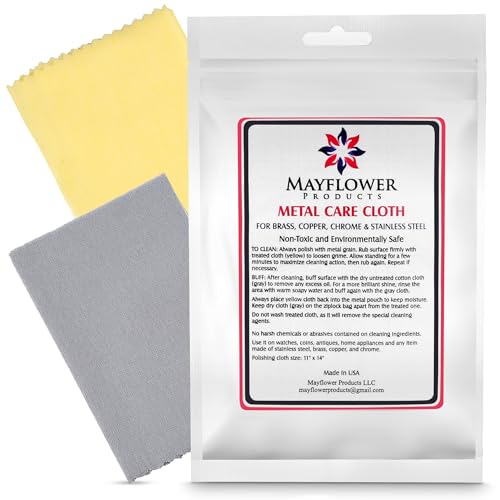
For fast results, use a copper jewelry cleaning kit with polish and cloth to gently buff away tarnish, followed by a microfiber cleaning cloth for a final shine. For tougher tarnish, apply a copper jewelry tarnish remover cream or a citric acid cleaner, then polish with a jewelry polishing pad for copper. Always test a small area first and dry thoroughly.
What You’ll Need
- Copper jewelry cleaning kit with polish and cloth
- Microfiber cleaning cloth for copper jewelry
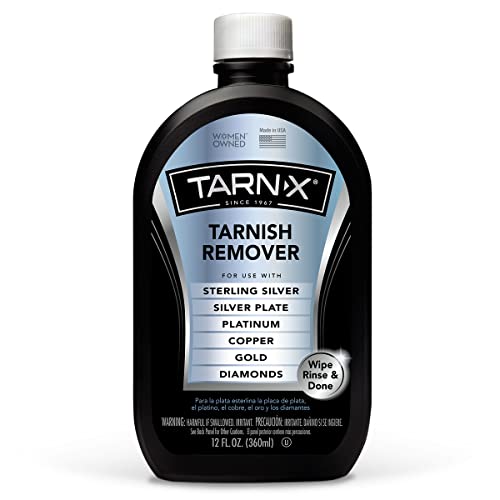
- Copper jewelry tarnish remover cream
- Jewelry polishing pad for copper
- Citric acid copper cleaner for jewelry

Before You Start
Prepare a clean workspace and gather tools. Protect surfaces with a soft mat to avoid scratches. Remove any gemstones or delicate inlays if possible, as some cleaners may affect adhesives. For safety, wear gloves and work in a well-ventilated area when using cleaners. Estimate a typical cleaning session at 15–30 minutes, depending on tarnish level. If the bracelet contains enamel or delicate stones, proceed with extra care.
Step-By-Step: How To Clean Copper Bracelet
- Inspect the bracelet for damage, loose clasps, or stones. If any issues exist, address them before cleaning.
- Dry the piece to remove surface dust.
- Apply a small amount of citric acid copper cleaner for jewelry to a soft cloth and gently rub in a circular motion to lift tarnish.
- Wipe away cleaner with a clean section of the cloth and inspect brightness.
- If tarnish persists, use the copper jewelry tarnish remover cream sparingly on the affected area and let it sit for a minute according to product instructions.
- Buff with a jewelry polishing pad for copper until the shine returns. Use light pressure to avoid scratching.
- Finish with a microfiber cleaning cloth for a final, lint-free buff.
- Re-inspect the surface, ensuring no residue remains in seams or engravings.
- For ongoing care, apply a light coat of polish from a copper jewelry cleaning kit with polish and cloth, then buff to a soft glow.
- Store in a cool, dry place, preferably in a soft pouch or anti-tarnish jewelry box to slow re-tarnishing.
- Repeat cleaning as needed, typically every few weeks for daily wear or monthly for occasional wear.
Troubleshooting
| Symptom | Likely Cause | Fix | Prevention |
|---|---|---|---|
| Dark patches remain after cleaning | Residue or heavy tarnish in crevices | Gently reapply cleaning product to crevices with a soft brush; buff again | Clean regularly to prevent heavy buildup |
| Streaks or dull spots | Uneven polishing or residual cleaner | Buff with microfiber cloth until streaks disappear | Use uniform pressure and clean cloths |
| Alloy discoloration after cleaner use | Wrong cleaner for alloy or metal blend | Cease use and switch to a product labeled for copper jewelry | Test on a small area first |
| Clasp or hinge seized after cleaning | Moisture exposure during cleaning | Dry thoroughly and lubricate hinge with a tiny amount of appropriate jewelry oil if needed | Keep joints dry; wipe promptly |
Common Mistakes
- Using household cleaners or abrasive pads on copper jewelry—these can scratch or dull the finish.
- Overusing cleaners or leaving them on longer than recommended—this can cause color change or residue.
- Cleaning while stones are mounted if the adhesive is not rated for chemicals.
- Neglecting to dry completely after cleaning—moisture accelerates tarnish.
Tips For Best Results
- Test any cleaner on a small, inconspicuous area first to ensure compatibility with finishes or coatings.
- Schedule routine light polishing to maintain luster without removing a protective patina if present.
- Use a dedicated polishing pad for copper to minimize cross-contamination with other metals.
- Store copper bracelets away from humidity and sulfur-containing environments (like certain foods) to slow tarnish.
- Consider a periodic professional cleaning for intricate designs or sentimental pieces.
Call A Professional
Seek professional help if the bracelet shows significant damage, structural issues, or if it contains valuable stones or intricate settings. Stop cleaning and consult a jeweler when you notice:
- Cracked or bent links
- Loose stones or settings
- Color changes near inlays or coatings that don’t respond to standard cleaners
- Uncertain compatibility of cleaners with special finishes
FAQ
Can I use lemon juice to clean copper bracelets?
Natural acids like lemon can work but may be harsh over time; prefer gentler commercial cleaners designed for copper or citric-based cleaners formulated for jewelry.
How often should I clean a copper bracelet?
Cleaning frequency depends on wear and environment; daily wear in humid climates may require weekly light polishing, while occasional wear may be every few months.
Will cleaning ruin a patina on antique copper bracelets?
Some patinas are intentionally formed for character; if preservation is desired, use the mildest cleaning method possible or consult a professional.
Is it safe to use a microfiber cloth on copper jewelry?
Yes, microfiber cloths are ideal for gentle buffing and removing fingerprints without scratching the surface.
Buying Guide
When selecting cleaning tools for a copper bracelet, consider size, material compatibility, and maintenance goals. Key factors include:
- Size and fit: Choose kits and pads that fit your bracelet’s diameter and detailing. Larger, more flexible pads make cleaning easier for bigger cuffs.
- Noise level: Cleaning pads and cloths operate silently; noise is rarely a concern, but some powered polishes can produce audible whirring.
- Energy efficiency: Manual cleaning uses no electricity; if you opt for powered polishing tools, look for energy-efficient options with automatic shutoff.
- Controls: Simple, single-speed polishes are beginner-friendly; advanced kits may offer variable speeds or intensity for delicate finishes.
- Placement and storage: Store in a dry, cool place away from sulfur-based materials to minimize tarnish and extend life of cleaners and cloths.
- Compatibility: Ensure cleaners are formulated specifically for copper jewelry and safe for any stones or coatings on the piece.
- Economy and value: A multi-item kit with polish, cloth, and a tarnish remover cream offers versatility and long-term savings.
- Maintenance cadence: Consider your routine wear and climate; urban areas with pollution and humidity may require more frequent cleaning.
With the right approach, a copper bracelet can maintain its luster and charm for years. Using purpose-made products designed for copper jewelry ensures safe, effective cleaning while preserving finish and any decorative elements. Would you like a quick product-agnostic checklist to help pick a kit that fits your routine?