Copper bottom pots bring a warm, classic look to any kitchen, but maintaining their shine requires the right technique and products. This guide provides practical steps using commonly available copper care items to restore luster without damaging the metal.
Quick Answer
Use a gentle cleaner designed for copper, apply with a soft scrubber, polish with a copper cloth, and rinse thoroughly. For tough tarnish, repeat with a tarnish remover cream, then buff to a high shine. Regular maintenance prevents heavy buildup and preserves the copper’s glow.
What You’ll Need
- copper pot cleaning paste for copper cookware
- non-scratch copper pot scrub brush
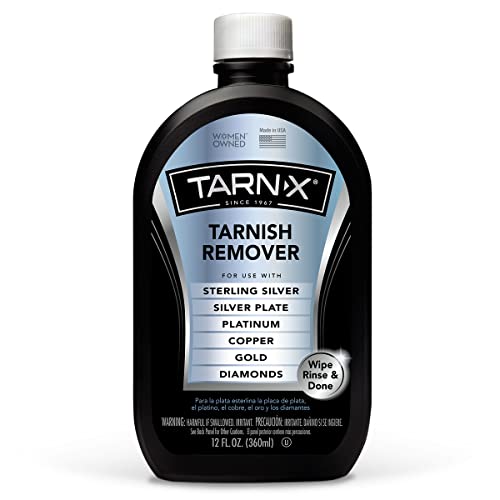
- tarnish remover cream for copper pots
- copper polishing cloth for copper pots
- copper cookware cleaning kit with polishing cloth and cleaner


Before You Start
Before cleaning, let the pot cool completely and remove any loose debris. Use warm, soapy water to rinse off surface residue. Work in a well-ventilated area if using chemical polishes, and wear gloves to protect your skin. Plan for about 15–30 minutes per pot, depending on tarnish levels. Important cautions: avoid abrasive household cleaners that can scratch copper, and never soak pots with wooden handles for long periods, as this can loosen joints.
Step-By-Step: How To Clean Copper Bottom Pots
- Fill a sink or basin with warm water and add a small amount of mild dish soap.
- Submerge the pot and wash the exterior copper bottom with a non-scratch copper pot scrub brush to remove surface grime.
- Rinse the pot under warm running water and pat dry with a soft towel.
- Apply a copper pot cleaning paste for copper cookware to the copper areas, focusing on the bottom where tarnish is typically strongest.
- Gently rub in small circular motions using the brush, avoiding any etched patterns or markings on the bottom.
- Rinse thoroughly to remove all paste residues, then dry completely.
- For persistent tarnish, apply a tarnish remover cream for copper pots as directed on the product and let sit briefly.
- Buff with a copper polishing cloth for copper pots until the metal gleams and the cloth no longer catches on the surface.
- If signs of dullness remain, repeat the paste-and-buff cycle or use a copper cookware cleaning kit with polishing cloth and cleaner for an even finish.
- Polish the interior surfaces if desired, then rinse and dry to prevent water spots.
- Optional: apply a light kitchen-safe oil or wax to seal the shine and slow future tarnish, following product guidelines.
- Store pots in a dry area, ideally with a protective sleeve or cloth to reduce surface contact and tarnish buildup.
Troubleshooting
| Symptom | Likely Cause | Fix | Prevention |
|---|---|---|---|
| Dull or uneven shine | Insufficient cleaning or uneven tarnish | Repeat cleaning steps with paste and cloth | Clean regularly to prevent heavy buildup |
| Pitting or discoloration | Acidic foods or harsh cleaners | Switch to gentle copper cleaner and avoid acids | Use non-abrasive methods and liners when cooking acidic foods |
| Scratches during cleaning | Using a rough brush or abrasive paste | Switch to non-scratch brush and mild paste | Inspect tools before use and maintain soft buffers |
| Persistent tarnish after cleaning | Deep-set oxidation | Apply tarnish remover cream per instructions and buff | Perform maintenance every few weeks |
Common Mistakes
- Using abrasive powders or steel wool on copper surfaces
- Overheating pots after cleaning, which can accelerate tarnish
- Skipping rinsing, leaving cleaner residue that dulls the finish
- Neglecting the interior copper when bottom shines are achieved
Sticking to gentle products and soft tools reduces the risk of damage while achieving a bright, uniform finish.
Tips For Best Results
- Work in small sections for uniform shine, especially on heavily tarnished bottoms.
- Follow product instructions for any chemical cleaners to ensure safe use.
- Regular touch-ups prevent heavy tarnish buildup and make each cleaning easier.
- Finish with a light protective layer if you cook frequently with acidic ingredients.
Call A Professional
Consider professional help if copper bottoms have deep pitting, extensive corrosion, or if there is significant damage to the base or handles. Seek a metal restoration specialist or cookware service if cleaning might compromise structural integrity or heat distribution.
FAQ
Can I use lemon juice to clean copper bottoms?
Lemon juice can act as a natural cleaner but may cause uneven whitening if used aggressively. Pair with a gentle polishing cloth and rinse thoroughly.
Is it safe to put copper pots in the dishwasher?
Most copper pots are not dishwasher-safe. Hand wash and dry promptly to prevent tarnish and preserve the finish.
How often should I clean copper bottom pots?
Clean every few weeks or as soon as tarnish begins to appear, with lighter touch-ups between longer cleanings.
Will copper bottom pots lose their shine over time?
Yes, patina develops with use, but proper cleaning and occasional polishing restore brightness and slow tarnish.
Do all copper cleaners work the same?
Different formulations target tarnish differently; follow product directions and test on a small area first.
Buying Guide
When choosing copper care products, consider these factors to keep copper bottoms looking their best:
- Size and compatibility: Ensure cleaners and cloths suit the pot size and finish. Larger kits may include multiple cloths and pastes for different levels of tarnish.
- Noise level and ease of use: Some brushes or pads require more elbow grease; look for non-scratch options that feel gentle in hand.
- Energy efficiency and safety: While cleaning, efficiency matters—less time scrubbing means less heat exposure if pots are warm. Use products labeled safe for cookware.
- Controls and application: Pre-measured pastes or cream with clear instructions reduce waste and improve results.
- Placement and storage: Store cleaners in a cool, dry place away from sunlight to preserve effectiveness and color of the copper polish.
For most households, a copper pot cleaning paste, a non-scratch brush, a tarnish remover cream, and a polishing cloth form a reliable, all-in-one approach. If you frequently rotate cookware or want a streamlined solution, a dedicated copper cookware cleaning kit with cloth and cleaner can simplify maintenance.