Clogs are popular for their comfort and casual style, but keeping them clean requires simple, effective care. This guide walks American users through a practical cleaning routine that freshens up both the exterior and inner lining of clogs, using common cleaning tools and safe methods.
Whether your clogs are made of wood, rubber, or foam, following a routine can extend their life and reduce odor. The steps below focus on accessible household supplies and purpose-made gear to ensure performance without damage.
Quick Answer
Gather basic tools and a few specialty items from a cleaning kit to tackle dirt, grime, and odors. Scrub gently, rinse, dry completely, and treat odors with a spray designed for shoe use. For stubborn areas, repeat the cycle and use a microfiber cloth for a final wipedown.
What You’ll Need
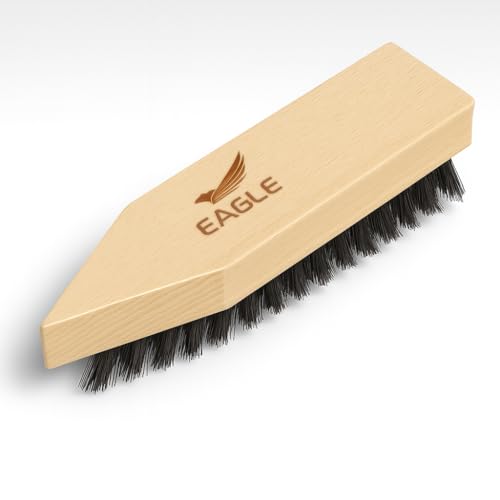
- Crocs cleaning brush or a柔 stiff bristle shoe cleaning brush
- Shoe cleaning kit with brush sponge cleaner
- Microfiber shoe cleaning cloth
- Shoe odor eliminator spray


Before You Start
Inspect the clogs for any loose parts or cracks. Remove insoles if possible and brush off loose dirt before applying liquids. Test any cleaner on a hidden area to ensure colorfastness. Time estimates vary; plan about 20–40 minutes for a thorough cleaning and drying. Do not submerge wooden clogs or decorative hardware in water, as prolonged moisture can damage the materials.
Step-By-Step: How To Clean Clogs Shoes
- Remove loose debris by tapping the clogs together and brushing with a soft brush to lift surface dirt.
- Prepare a mild cleaning solution suitable for the clog material (water with a small amount of gentle soap for rubber or foam; avoid harsh chemicals on wooden clogs).
- Dip a microfiber shoe cleaning cloth or the included sponge into the solution. Wring out excess liquid to prevent soaking.
- Gently wipe the exterior surfaces in circular motions, paying extra attention to seams and crevices where dirt tends to accumulate.
- For stubborn stains, use a stiff bristle shoe cleaning brush to lift grime from textured surfaces without scratching.
- Rinse the cloth or sponge frequently to avoid re-depositing dirt. Wipe away any soap residue with a clean, damp cloth.
- Dry the clogs with a dry microfiber cloth. If possible, air-dry in a well-ventilated area away from direct heat sources.
- Reinsert insoles if removed and allow the interior to dry completely before wearing again.
- Apply a small amount of shoe odor eliminator spray to the interior or spray lightly on the exterior to neutralize odors.
- Revisit any stubborn spots with a light brush and cloth as needed, then perform a final wipe-down.
- Store the clogs in a dry place and keep soles free from moisture to prevent slipping or damage.
- For ongoing freshness, schedule a routine cleaning every few weeks if you wear clogs regularly.
Troubleshooting
| Symptom | Likely Cause | Fix | Prevention |
|---|---|---|---|
| Persistent odor after cleaning | Damp interior or trapped moisture | Re-dry thoroughly; apply odor eliminator again | Ensure complete drying before storage |
| Rough spots or discoloration after cleaning | Harsh brushing or wrong cleaner | Switch to a gentler solution and softer brush | Test cleaners on inconspicuous areas first |
| Water leakage into materials | Wood or porous materials absorbing water | Use minimal moisture; avoid soaking | Wipe spills promptly; store dry |
| Soles feel slippery | Shoe cleaner residue or moisture | Rinse well and dry completely | Wipe soles with a dry cloth after cleaning |
Common Mistakes
- Using hot water or strong cleaners on sensitive materials
- Soaking wooden clogs, which can warp or crack
- Skipping thorough drying, which invites mold
- Over-wetting interiors, especially if insoles are fabric-based
Tips For Best Results
- Keep a dedicated cleaning kit with small brushes and a microfiber cloth to simplify routine care.
- For daily touchups, wipe with a damp cloth and a tiny amount of soap, then dry with a towel.
- Treat odor-prone interiors with a quick spray after wet or messy use.
- Store clogs away from direct sunlight to prevent fading or material degradation.
- Consider rotating pairs to reduce wear patterns and maintain shape.
Call A Professional
If clogs have significant structural damage, such as cracked soles, broken buckles or hardware, or persistent odors that resist cleaning, consult a professional cobbler or footwear repair service. Seek help promptly to prevent further deterioration and ensure safe wear.
FAQ
Can I clean clogs with bleach or strong solvents?
Avoid harsh chemicals that can degrade materials; use mild soap or a product labeled safe for the clog material.
How often should I clean my clogs?
Clean exterior surfaces monthly and address odors as needed, especially after exposure to moisture or spills.
Is it okay to machine wash clogs?
Machine washing is generally not recommended for wooden or leather-clad clogs; follow manufacturer guidance for synthetic materials.
What’s the best way to dry clogs after washing?
Air-dry in a ventilated area away from direct heat; avoid radiators or sunlight that can warp materials.
Should I use insoles after cleaning?
Yes, reinsert clean insoles and ensure they dry completely before reuse.
Are odor sprays universal for all clog materials?
Choose a spray labeled safe for the specific material of your clogs and avoid overuse on delicate fabrics.
Buying Guide
When choosing cleaning tools and products for clogs, consider size, material compatibility, and ease of use. A crocs cleaning brush or stiff bristle shoe cleaning brush helps reach textured areas, while a shoe cleaning kit with brush sponge cleaner bundles essential tools in one kit. A microfiber shoe cleaning cloth ensures lint-free drying and a smooth finish. For odor control, a dedicated shoe odor eliminator spray can help maintain freshness between cleanings. Look for products labeled safe for the clog material (wood, rubber, foam, or fabric), and ensure they are easy to store. Prioritize kits with gentle cleaners and ergonomic handles for comfortable use.
Size matters if you travel with clogs; choose compact brushes and cloths that fit into a small tote. Noise level is minor for most brushes, but quiet, soft bristles reduce squeaking during scrubbing. Energy-efficient sprays and reusable cloths are practical for frequent cleanings. Placement of cleaning gear should be near the entry or laundry area for quick access after outdoor use. For different climates, have a dedicated dryer area to expedite drying in humid regions.