Clogged drip lines can reduce irrigation efficiency and waste water. This guide walks American homeowners through a practical, step-by-step method to clean and restore clogged drip lines using common tools and proven techniques. Clear lines help maintain uniform wetting, conserve water, and protect plant health.
Quick Answer
Identify clogs by inspecting emitters and line sections, then use a combination of flushing, brushing, and targeted cleaning tools to clear blockages. Start with a simple flush, move to brushing or emitter-specific tools if needed, and re-check flow before restarting a full irrigation cycle.
What You’ll Need
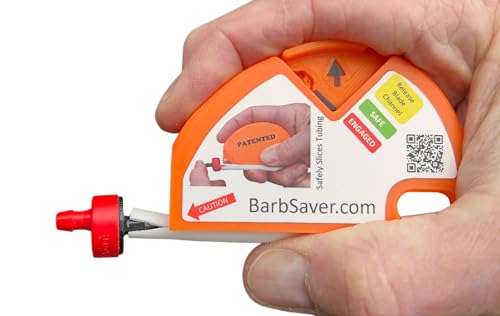
- Drip irrigation cleaning tool 1/4 inch tubing
- Drip line flushing kit for irrigation system
- Emitter cleaning tool for micro drip tubing
- Drip irrigation cleaning brush set 0.25 inch tubing
- Drip line maintenance kit with flushing valve


Before You Start
Turn off the irrigation system and relieve pressure before handling tubing. Inspect the mainline and nearby connectors for damage or debris caches. Lay out hoses and tools in a clean, shaded area to prevent recontamination. Time estimate: 30–60 minutes for a typical planter bed or small garden; larger systems may take longer. Critical cautions: never force a blockage, avoid bending lines sharply, and always wear eye protection when flushing or brushing.
Step-By-Step: How To Clean Clogged Drip Lines
- Identify the clogged sections by observing uneven wetting or dry spots along the line.
- Disconnect a section of the drip line near the emitter, taking note of flow direction.
- Attach the drip line flushing kit to the mainline or section you’re cleaning to flush the line with clean water.
- Run water in short bursts while inspecting for clear flow; note any persistent resistance.
- Use the emitter cleaning tool for micro drip tubing to gently remove mineral buildup at emitters.
- If blockages persist, employ the drip irrigation cleaning tool 1/4 inch tubing to flush deeper sections or use the cleaning brush set 0.25 inch tubing to loosen debris.
- Reattach the line and recheck each emitter by running a test irrigation cycle, ensuring even distribution.
- If flow remains inconsistent, repeat flushing from the mainline and verify there are no leaks or collapsed tubes.
- Document recurring clogging sites and implement preventative maintenance with a regular flushing schedule.
- Reopen the zone valves and resume normal irrigation, monitoring for the first full cycle to confirm success.
Troubleshooting
| Symptom | Likely Cause | Fix | Prevention |
|---|---|---|---|
| Uneven wetting or dry spots | Clogs or clogged emitters | Clean emitters with emitter cleaning tool | Schedule periodic emitter checks |
| Water flow stops after flushing | Collapsed tubing or kinks | Inspect and replace damaged sections | Avoid tight bends during installation |
| Partial flow after flushing | Mineral buildup or root intrusion | Repeat flushing and use brush set | Install filters or maintainables |
| Leaks at connections | Loose fittings | Tighten clamps or replace fittings | Secure connections during installation |
Common Mistakes
- Using excessive force when cleaning emitters, which can damage tubing.
- Neglecting to flush after brushing, leaving residual debris inside lines.
- Forgetting to depressurize the system before handling lines.
- Ignoring changes in water quality, which can accelerate mineral buildup.
Regular maintenance and a predictable cleaning schedule minimize recurring clogs and extend the life of drip irrigation components.
Tips For Best Results
- Perform a seasonal cleaning, especially after periods of heavy mineral content or plant debris buildup.
- Keep a small kit of the recommended tools on-site for quick maintenance between seasons.
- Use filtered or softened water if your area has known hard water issues to reduce mineral deposits.
- Label zones and line segments to simplify future service and troubleshooting.
Call A Professional
Consider contacting a professional if you encounter persistent clogs that resist flushing, if you notice frequent leaks after cleaning, or if you suspect root intrusion or damaged mainlines. Seek help if replacing mainline sections becomes necessary or if irrigation zones require complex reconfiguration.
FAQ
What causes drip lines to clog?
Minerals, algae, sediment, and root intrusion can block emitters and lines, especially in hard water areas or poorly filtered systems.
How often should I clean drip lines?
For most residential systems, a biannual cleaning is sufficient, with additional cleaning after heavy rainfall or drought-related changes in water chemistry.
Can I clean emitters without removing them?
Yes, use emitter cleaning tools designed for micro tubing to clear away buildup in place.
Is flushing alone enough to prevent clogs?
Flushing helps, but regular maintenance with brushes and proper filtration reduces long-term buildup.
What if moisture is still uneven after cleaning?
Inspect for leaks, verify emitter spacing, and check for buried roots or damaged mainlines that could affect flow.
Buying Guide
When choosing drip line cleaning tools and maintenance kits, consider size compatibility, noise levels during operation, energy efficiency (for powered flushers), control options, and placement flexibility. This guide reviews key factors to help readers select reliable kits that fit American lawns and gardens.
- Size compatibility: Ensure tools match 1/4 inch tubing, 0.25 inch tubing, and standard mini-emitter sizes common in residential drip systems.
- Noise level: Handheld cleaning tools and manual flushing are quiet; powered options may produce more noise but offer faster results.
- Energy efficiency: Manual methods require no electricity; consider electric options only if they clearly improve performance with low consumption.
- Controls: Look for simple, intuitive control valves on flushing kits and maintenance kits to avoid over-pressurization.
- Placement: Choose compact, durable tools suitable for tight garden spaces or yard sheds for easy access.
- Durability and warranty: Opt for corrosion-resistant materials and solid warranties to handle frequent garden use.
- Compatibility with existing system: Confirm that cleaning brushes, emitters tools, and flushing kits support your emitter types and tubing diameters.
- Maintenance frequency: If your water quality is high in minerals, prioritize products with robust mineral-removal capabilities and compatible flushing valves.
These considerations help tailor a cleaning toolkit to the home irrigation setup, balancing cost, ease of use, and long-term reliability. Would you like help selecting a kit that matches your current drip system components?