Consistent cleaning of hair clippers extends their life, maintains performance, and ensures hygienic results for clients. This guide provides practical, American-friendly steps using common cleaning products and tools designed for at-home and professional use. Readers will learn how to remove hair, sanitize blades, and maintain critical components for reliable operation.
Quick Answer
To clean clippers efficiently, power off and disconnect from any power source. Remove the blade, brush away hair with a dedicated cleaning brush, apply blade oil, and sanitize the blades with barbershop-grade cleaner or 70% isopropyl alcohol. Wipe dry, reassemble, and wipe down the exterior. Regular maintenance includes routine oiling and sanitizing after every use.
What You’ll Need
- Electric hair clipper cleaning brush with blade oil kit
- Hair clipper cleaning spray 70% isopropyl alcohol 8 oz
- Clipper blade cleaning kit with brush and oil
- Professional clipper sanitizer spray and cleaning brush set
- Barber clippers cleaning wipes and brush set


Before You Start
Prepare a clean workspace and ensure clippers are turned OFF and unplugged. Remove the blade to access all nooks and crannies. Wear gloves if preferred and follow the manufacturer’s safety instructions. Time estimates for a thorough clean range from 5 to 15 minutes depending on buildup. Critical cautions include never submerging electrical components in liquids and avoiding contact between blade oil and any surface that could be damaged by oil residue.
Step-By-Step: How To Clean Clipper
- Power off the clipper and unplug the power cord from the outlet. If your unit has a battery, remove it if possible according to the user manual.
- Detach the blade from the unit using the release mechanism. Place the blade on a soft mat to prevent dulling edges.
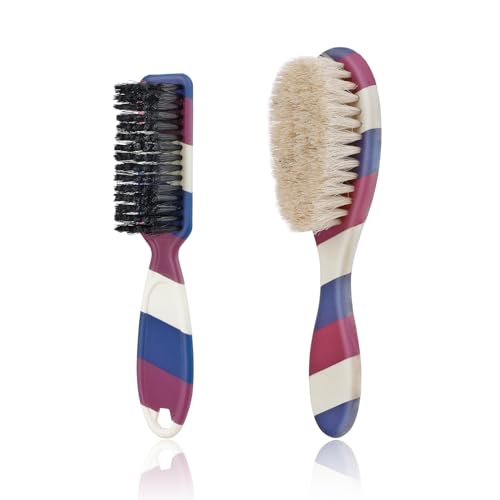
- Use the electric hair clipper cleaning brush with blade oil kit to remove loose hair from the blade housing and between blades. A small, stiff brush works best for crevices.
- Wipe the exterior of the clipper body with a professional clipper sanitizer spray or a damp cloth to remove surface oils and hairs. Avoid spraying electronics directly.
- Clean the blade thoroughly with a clipper blade cleaning kit with brush and oil, brushing away hair residues and brushing along blade edges to dislodge stubborn debris.
- Apply a thin, even coat of blade oil along the top and bottom blades. Let it sit for a few seconds, then wipe away excess oil with a clean cloth. This reduces friction and extends blade life.
- Sanitize the blade by spraying a hair clipper cleaning spray 70% isopropyl alcohol 8 oz lightly across the blade surface. Allow it to air dry completely before reassembly.
- Reattach the blade to the clipper body, ensuring it aligns securely. Power on briefly to confirm proper operation without unusual noises or vibrations.
- Finish by cleaning the clipper housing and switch area with barber clippers cleaning wipes and brush set. Store blades and tools in their designated cases to maintain cleanliness between uses.
- Establish a routine: clean after every use, with a deeper clean weekly for heavy or shared-use environments.
Troubleshooting
| Symptom | Likely Cause | Fix | Prevention |
|---|---|---|---|
| Clippers feel sluggish or overheat | Blade is dirty or oil is insufficient | Clean blade thoroughly and re-lubricate | Clean after each session; use proper oil |
| Unusual noises during operation | Blade not seated correctly | Re-seat blade and verify alignment | Follow manual guidelines for blade installation |
| Residue on hair clippings | Insufficient sanitizing or wet cleaning | Spot-clean with alcohol spray and wipe dry | Sanitize after each client |
| Rust on blade edges | Moisture exposure or old lubricant | Replace blade or thoroughly resurface if possible | Dry storage and regular oiling |
Common Mistakes
- Submerging electronics in water or cleaning agents directly
- Omitting blade oil or using excessive oil
- Skipping the drying step after sanitizing, leaving moisture
- Using inappropriate cleaners that corrode blades
Avoid these missteps to maintain clipper performance and safety. Adopting a routine reduces buildup and extends blade life.
Tips For Best Results
- Keep a dedicated cleaning kit for clippers to prevent cross-contamination between clients.
- Opt for a 70% isopropyl alcohol spray for effective sanitization while drying quickly.
- Lubricate blades after every few cleanings or according to usage level to minimize friction and heat.
- Store blades in a protective case and wipe surfaces after each use to prolong lifespan.
- Document maintenance times to track when deep cleanings or blade replacements are needed.
Call A Professional
Consider consulting a professional if any of the following occur: persistent abnormal noises after reassembly, persistent overheating despite cleaning, or if blades show signs of warping or significant corrosion. Do not delay professional service for safety and performance concerns.
FAQ
How often should I clean my clippers?
Clean after every use, with a deeper clean weekly for multiple clients or shared devices.
Can I use regular household spray on clippers?
No; use dedicated clipper sanitizers or isopropyl alcohol designed for blades to avoid damage.
What’s the best oil for clipper blades?
Use the blade oil included in your kit, applying a thin, even layer after cleaning.
Is it safe to soak blades in water?
No; avoid soaking blades in water to prevent rust and damage to the clipper motor.
Buying Guide
When selecting clipper cleaning supplies, consider factors like size and compatibility, noise level, energy efficiency, control options, and placement. For example, a compact kit with a built-in oil bottle and cleaning brushes can fit tightly on a barber station. Look for 70% isopropyl alcohol sprays for quick sanitizing and compatible blade cleaning kits that include brushes and oils. A dedicated sanitizing spray and brush set helps maintain hygiene between clients, while wipes offer convenient quick-clean options for on-the-go setups. Consider how you store tools and whether you need a portable kit for mobile services. Assess maintenance intervals to balance cost and performance, and ensure the products align with your clipper model’s blade type and manufacturer recommendations.