Polymer clay bead bracelets offer color and texture that can brighten any outfit, but they require careful cleaning to preserve their finish. This guide explains practical steps to keep polymer clay beads looking their best, using common household tools and specialized care products. Readers will learn how to remove dirt, oils, and grime without dulling the clay or loosening beads.
Following a gentle routine protects the bracelet’s color, varnish, and stringing materials while avoiding discoloration or damage. The methods below are designed for everyday wear and occasional deep cleaning, with clear cautions to prevent over-wetting or abrasive scrubbing.
Quick Answer
Best quick method: wipe with a damp cloth or mild soapy solution, then lightly brush crevices with a soft toothbrush. For tougher grime, use a dedicated polymer clay jewelry cleaning wipe or a mild soap solution, and dry thoroughly.
What You’ll Need
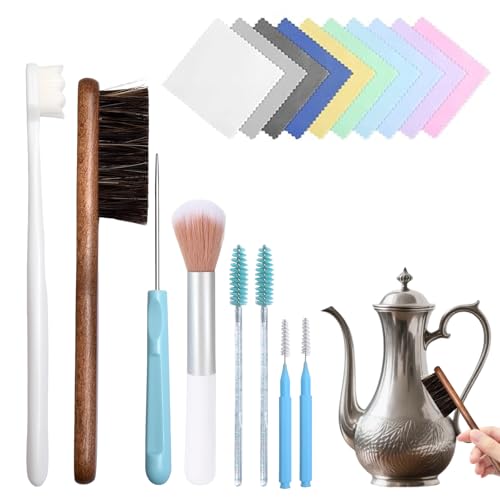
- Polymer clay bead bracelet cleaning brush
- Polymer clay jewelry cleaning wipes
- Mild soap and water jewelry cleaner for polymer clay beads
- Soft toothbrush for cleaning polymer clay bracelet
- Polymer clay bead jewelry care kit

Before You Start
Check the bracelet’s components—string, elastic, or cord—and note any signs of wear. Clean in a well-lit area and avoid soaking the entire bracelet unless the materials are water-safe. Avoid high heat, harsh solvents, and abrasive pads, which can damage polymer clay surfaces and loosen bead settings. Time estimate: 5–15 minutes for routine cleaning, longer for stubborn grime or intricate beadwork.
Step-By-Step: How To Clean A Polymer Clay Bead Bracelet
- Remove the bracelet from your wrist and lay it on a clean, dry surface.
- Gently inspect for loose beads or fraying beading thread; set aside if repairs are needed before cleaning.
- Wipe the beads with a damp microfiber cloth to remove surface dust and oils.
- Prepare a mild cleaning solution: a few drops of mild soap and water jewelry cleaner for polymer clay beads in lukewarm water.
- Dip a soft toothbrush for cleaning polymer clay bracelet into the solution and brush each bead lightly, focusing on crevices where dirt collects.
- If needed, use a polymer clay bead bracelet cleaning brush to reach tight spaces without scratching the surface.
- Rinse the bracelet by wiping with a clean, damp cloth to remove any soap residue.
- Pat dry with a soft towel and lay flat to air-dry completely before wearing again.
- Store away from direct sunlight and heat to preserve color and varnish.
- Periodically apply a polymer clay bead jewelry care kit recommended conditioner or sealant if the kit includes one—follow product directions carefully.
- For persistent grime, repeat steps using polymer clay jewelry cleaning wipes as directed by the product.
- Check the bracelet after drying for any signs of wear and re-tie or restring if the string shows stress.
Troubleshooting
| Symptom | Likely Cause | Fix | Prevention |
|---|---|---|---|
| Duller appearance after cleaning | Faint residue or improper drying | Wipe with a clean microfiber cloth and allow to fully dry | Dry completely before storing |
| Beads feel tacky | Soap residue left behind | Rinse with plain water and dry thoroughly | Use minimal soap and ensure no soap film remains |
| Loose beads | Weak stringing or knot integrity | Restring or reinforce with fresh thread | Regularly inspect and restring as needed |
| Discoloration on light-colored beads | Harsh cleaner or contact with dyes | Switch to milder products and avoid long soak | Limit exposure to staining agents |
Common Mistakes
- Using boiling water or strong solvents on polymer clay beads
- Saturating the string or elastic during cleaning
- Brushing too hard in a single area, causing scratches
- Skipping thorough drying, which can promote mold or odor
- Ignoring signs of wear on stringing material and beads
Sticking to gentle methods minimizes risk and extends the life of the bracelet.
Tips For Best Results
- Test cleaning products on a small, inconspicuous bead first to ensure no adverse reactions.
- Use a dedicated polymer clay bead jewelry care kit for compatibility with sealants or conditioners.
- Clean after heavy wear or sweat exposure to prevent buildup of oils and salts.
- Store bracelets in a soft pouch or jewelry box to shield from dust and sunlight.
- Label or record bead types if the bracelet contains multiple finishes or paints.
Call A Professional
Consider professional help if there is significant bead damage, a broken clasp, or fraying cord that requires restringing. Stop cleaning and seek expertise if beads show cracks or if color fading seems uneven after multiple cleanings. A professional repair can preserve value and prevent further damage.
FAQ
Can I clean polymer clay beads with household cleaners?
Use mild soap and water or polymer clay-specific wipes. Avoid harsh chemicals that can degrade glaze or paint.
Is it safe to soak polymer clay beads?
Soaking is generally not recommended unless the materials are explicitly water-safe. Quick wipe-clean methods are preferred.
How often should I clean polymer clay bead bracelets?
Clean after heavy wear or weekly if worn daily, then perform a light wipe-down between uses.
What should I do if beads look dull after cleaning?
Ensure complete drying, then consider applying a gentle conditioner included in a polymer clay care kit, following directions closely.
Buying Guide
When choosing products to clean polymer clay bead bracelets, consider size, compatibility, and ease of use. Look for items that are specifically labeled for polymer clay or jewelry care and avoid harsh abrasives. A simple kit with a soft brush, gentle wipes, and a mild cleaner can handle most routine cleaning needs.
Key buying factors include size and grip of the cleaning brush, whether wipes are individually wrapped for travel, and the presence of a maintenance solution suitable for polymer clay finishes. Noise level is less relevant here, but ease of use and clear instructions matter. Consider whether you prefer a multi-pack for travel or a single, purpose-built kit for home storage.
For placement, choose a storage option that minimizes dust exposure and sunlight, such as a lined jewelry box or a fabric pouch. If the bracelet has delicate finishes or mixed materials, a kit with gentle, non-abrasive tools is preferable to protect surfaces. Always verify that cleaners are free from solvents that can weaken stringing materials or glaze coatings.
Do a quick comparison among the listed items to ensure compatibility with your bracelet’s beads, finish, and stringing material. If in doubt, start with a mild approach using wipes and light brushing before moving to deeper cleaning methods.