Chrome surfaces add a brilliant, mirror-like finish to many cars, faucets, and accessories. Proper cleaning removes water spots, fingerprints, and tarnish while preserving the metal’s shine. This guide explains a practical, step-by-step approach using common cleaning materials and products designed for chrome care.
By following the steps below, you’ll achieve a smooth, streak-free finish without scratches. The focus is on safe methods that work well for automotive chrome, bathroom fixtures, and other chrome-plated items found around the home.
Quick Answer
For a fast, effective clean, wipe chrome with a damp microfiber cloth, apply a small amount of chrome cleaner or paste, buff with a clean cloth, and finish with a dry microfiber to remove haze and restore shine.
What You’ll Need
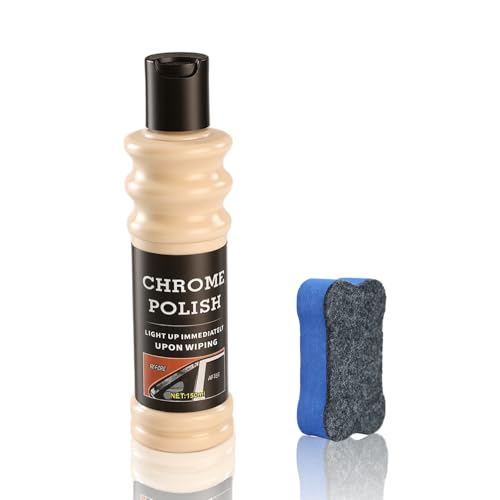
- Chrome polish paste 4 oz for metal surfaces
- Microfiber polishing cloths for chrome cleaning
- Chrome cleaner spray automotive with microfiber cloth kit
- Chrome polishing kit buffing compound pad
- Stainless steel chrome cleaner spray for cars faucets


Before You Start
Inspect the surface for deep pitting or rust. Avoid abrasive pads that can scratch chrome. Test any cleaner in a small, inconspicuous area first. Work in a shaded, well-ventilated area if using sprays. Allow time for cleaners to sit as directed, then wipe off residues with a microfiber cloth. Wear gloves if you have sensitive skin and keep cleaning products away from non-chrome finishes to prevent staining.
Time estimates vary by area but plan about 20–40 minutes for a typical bathroom fixture or vehicle part, depending on condition and size.
Step-By-Step: How To Clean Chrome
- Reset the area by rinsing with plain water to remove loose dust and debris.
- Dry the surface with a clean microfiber cloth to prevent water spots from forming.
- Apply a small amount of chrome cleaner or chrome polish paste to a microfiber cloth.
- Gently rub the chrome in circular motions, focusing on tarnished or discolored areas.
- Buff in straight, even strokes to lift residues and create a uniform shine.
- Wipe away any remaining cleaner with a clean, dry microfiber cloth.
- For stubborn spots, use a buffing pad or polishing kit to work the area with light pressure.
- Rinse lightly if the product requires it, then dry thoroughly to prevent watermarks.
- Apply a light coat of chrome polish to protect the finish and extend shine between cleanings.
- Polish once more with a fresh microfiber until the surface gleams.
- Wipe fixtures and rims clean to remove streaks, then check for even reflection across the surface.
- Store products in a cool, dry place away from direct sunlight to maintain efficacy.
Troubleshooting
| Symptom | Likely Cause | Fix | Prevention |
|---|---|---|---|
| Cloudy haze after cleaning | Residual cleaner or water spots | Buff with a dry microfiber until haze disappears | Rinse lightly, then dry completely after cleaning |
| Streaks or lines | uneven buffing or dirty cloth | Switch cloths and buff with fresh microfiber | Use clean, lint-free cloths for final pass |
| Scratches appear after polishing | Abrasive pad or overly aggressive rubbing | Switch to a non-abrasive pad and lighter pressure | Avoid harsh pads on chrome surfaces |
| Persistent tarnish | Deep oxidation or pitting | Reapply polish and use a dedicated chrome cleaner; seek professional refinishing if needed | Clean regularly to prevent buildup |
Common Mistakes
- Using abrasive cleaners or steel wool on chrome finishes
- Over-wetting surfaces and leaving standing water
- Skipping a final dry-and-buff step, which causes streaks
- Mixing cleaners that aren’t compatible with chrome
Tips For Best Results
- Choose a dedicated chrome cleaner or a polishing paste designed for metal surfaces to avoid dulling the finish.
- Opt for high-quality microfiber cloths; they trap dirt without scratching.
- Work in a shaded area to prevent rapid drying that can leave smears.
- Use a two-step approach: cleaner/polish first, then a protective polish or spray to seal the finish.
- Regular maintenance—monthly cleaning for high-use chrome—keeps buildup from forming.
Call A Professional
Consider professional help if chrome shows deep pitting, corrosion, or yellowing that does not respond to standard cleaning. Signs to seek a pro include extensive rust around fittings, chrome peeling, or metal exposed beneath the chrome layer. A refinishing or replating service may be necessary to restore the surface to its original luster.
FAQ
Can I use vinegar or lemon juice on chrome?
These acidic cleaners can etch and dull chrome over time; use purpose-made chrome cleaners instead.
Is it safe to use household polish on chrome?
Yes, if the product is labeled safe for chrome and used as directed, but prefer products designed for chrome for best results.
How do I prevent water spots after cleaning?
Dry the surface completely with a microfiber cloth and apply a protective chrome spray or paste.
How often should I clean chrome on a car?
Clean high-traffic chrome regularly, typically every few weeks, with a deeper polish monthly or as needed.
Buying Guide
Choosing the right chrome-cleaning products depends on surface type, maintenance habits, and desired finish. Here are key buying factors to consider:
- Size and scope: For small fixtures, a paste and cloth kit is often sufficient; for larger automotive chrome, a spray-and-cloth kit can speed up the process.
- Noise and smell: Most chrome cleaners are low-odor; look for water-based formulas if sensitive to scents.
- Energy efficiency and eco-friendliness: Water-based cleaners with minimal harsh chemicals are easier on the environment and indoor air quality.
- Controls and usability: Kits with pre-cut microfiber cloths, multiple pads, and a built-in applicator can simplify work and reduce waste.
- Placement and accessibility: Consider bottles with spray nozzles for hard-to-reach spots and compact, portable kits for travel or roadside maintenance.
- Finish goals: If a high-gloss, mirror-like shine is desired, select a polish designed to enhance brightness and provide a durable protective layer.
When assessing products, compare the included accessories, compatibility with various chrome surfaces, and recovery time after application. Do you prefer a quick spray-and-wipe solution or a deeper polish routine with a buffing pad? Balanced options offer both convenience and lasting shine without scratching.