Keeping a ceramic glass cooktop pristine requires a method that lifts grime without scratching the surface. This guide outlines practical steps, safety tips, and the right tools to remove residue, scorch marks, and everyday spills while preserving the shine of your stove top.
With the right approach, you can restore clarity to marks from sugar, oil, or protein splatters and maintain a smooth, gleaming finish that looks nearly new after every clean.
Quick Answer
Use a gentle, non abrasive cleaner and a soft, non-scratch pad or microfiber cloth. For baked-on residue, lightly heat the surface to warm the grime, then scrub with a silicone or soft pad. Always finish with a microfiber cloth to buff to a shine and remove streaks.
What You’ll Need
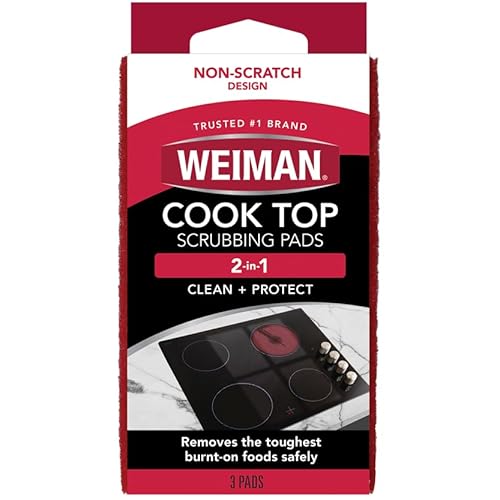
- ceramic glass cooktop cleaner non abrasive pad
- plastic scraper for glass stove top ceramic cooktop safe
- microfiber cloth for glass cooktop cleaning
- non abrasive cooktop scrub pads silicone
- cooktop cleaning kit with soft cloth and non scratch pad


Before You Start
Turn off the burner and allow the surface to cool completely before cleaning. Avoid harsh chemicals that can damage the finish, and never use metal tools that could scratch the glass. Work in a well-lit area and keep the surface dry to prevent streaks. Allow 15–30 minutes for a thorough clean if you are dealing with heavy buildup. Never rub aggressively. This can create fine scratches that dull the surface over time.
Step-By-Step: How To Clean A Ceramic Stove Top Without Scratching
- Remove loose crumbs and debris with a dry microfiber cloth to prevent scratching during cleaning.
- Apply a small amount of ceramic glass cooktop cleaner to a damp microfiber cloth or soft non abrasive pad.
- Gently rub in circular motions over light stains to lift grime without pressing hard.
- For stubborn spots, use a plastic scraper for glass stove top ceramic cooktop safe held at a low angle. Scrape away residue with controlled, short passes.
- Rinse the cloth or pad and wipe away any cleaner residue. Repeat as needed until the surface is clean.
- Dry the surface with a clean microfiber cloth to avoid water spots and buff to a glossy finish.
- If you see streaks, buff again with a dry microfiber cloth until the surface shines evenly.
- For everyday maintenance, wipe after each use with a damp cloth, then dry to maintain a spotless surface.
- Inspect for missed spots and repeat the process on any lingering stains, using gentle pressure only where necessary.
- Store cleaning tools in a dry place and keep the cleaner away from cool handles or edges to prevent accidental spills.
- Remove residue from the edges and seams with a soft pad, ensuring no cleaner collects in gaps.
- Finish with a final wipe using a microfiber cloth to restore glass clarity and prevent streaks.
Troubleshooting
| Symptom | Likely Cause | Fix | Prevention |
|---|---|---|---|
| Sfaint white haze after cleaning | Cleaner residue or mineral buildup | Wipe with a damp cloth, then buff with a dry microfiber | Rinse cloth frequently; avoid over-applying cleaner |
| Scratches visible after cleaning | Aggressive scrubbing or metal tools | Stop immediately; switch to a non abrasive pad and gentle motion | Use only approved pads and soft cloths |
| Streaks or dull spots | Residue or improper buffing | Buff with a clean microfiber until clarity returns | Dry thoroughly after cleaning |
| No improvement on tough stains | Baked-on residue | Apply cleaner, let dwell briefly, then use plastic scraper | Regular maintenance to prevent buildup |
Common Mistakes
- Using abrasive pads or metal scrapers on the glass surface
- Using the cleaner while the surface is hot
- Over-wetting the area and leaving cleaner behind to dry
- Neglecting to dry the surface after cleaning
Tips For Best Results
– Work in small sections to maintain control and prevent over-wetting.
– Use a dedicated kit that contains a soft cloth and a non scratch pad to keep tools matched to the task.
– For frequent spills, wipe up promptly to avoid hardened stains that require more scrubbing power.
– Periodically polish with a microfiber cloth to maintain a bright, glass-clear finish.
Call A Professional
Seek professional help if the ceramic glass surface shows deep cracks, severe discoloration, or extensive heat damage that cleaning alone cannot restore. If a chemical cleaner causes irritation or damage to the surface, contact a repair technician or appliance service provider.
FAQ
Can I use regular glass cleaner on a ceramic stove top?
Yes, as long as it is labeled non abrasive and safe for ceramic surfaces, and you follow with a soft cloth to avoid streaks.
Is it safe to use a plastic scraper on the cooktop?
Yes, a plastic scraper designed for glass stove tops can safely remove stubborn residue when used gently at a low angle.
What should I do about burnt-on sugar spills?
Let the area cool, apply a small amount of cleaner, and use a plastic scraper to lift the residue, then wipe clean.
How often should I clean a ceramic cooktop?
Wipe daily for light upkeep and perform a thorough clean weekly or after heavy cooking sessions.
Can I use vinegar for cleaning?
Vinegar can be used in small amounts with a non abrasive pad, but ensure it is fully rinsed off and dried to prevent streaks.
Do I need to reseal or protect the surface?
No sealing is required for ceramic glass cooktops; regular cleaning and careful use protect the surface from scratches.
Buying Guide
When choosing cleaning products and tools for a ceramic stove top, consider size and surface area, noise level of scrub pads, and the balance between cleaning power and gentleness. Look for a dedicated ceramic cooktop cleaner that is labeled non abrasive, along with a soft microfiber cloth and a non scratch pad. A plastic scraper designed for glass stove tops adds targeted scraping power without risk. A compact cleaning kit with soft cloth and non scratch pad can simplify routine maintenance.
Key buying factors include:
- Size and surface type: Ensure products are suitable for smooth ceramic glass surfaces.
- Cleaning power vs. gentleness: Prioritize non abrasive formulas and soft pads to avoid scratches.
- Tools included: Kits that bundle microfiber cloths, silicone scrub pads, and a plastic scraper provide a complete setup.
- Ease of use and storage: Compact tools that fit in a kitchen drawer streamline maintenance routines.
- Noise and friction: Choose pads designed to minimize noise and reduce friction during scrubbing.
Thinking about longevity and daily use, a balanced kit that complements regular cleaning offers the best value. Would you rather tackle spills as soon as they happen or set aside time for a weekly deep clean? The right toolset helps make the decision easy and keeps the ceramic surface gleaming.