Cement floors are durable and versatile, but maintaining their clean, professional appearance requires the right approach. This guide walks American homeowners and facility managers through a practical cleaning routine using common tools and purpose-built cleansers. From daily upkeep to tackling tough stains, the methods below help you achieve even, streak-free results on concrete surfaces.
Whether you operate a garage, basement, workshop, or industrial space, a straightforward cleaning plan can extend the life of your cement floor and reduce ongoing maintenance costs. The steps emphasize safety, efficiency, and the correct use of cleaning products designed for concrete surfaces.
Quick Answer
Fast method: Start with dry sweeping or a vacuum to remove loose debris, then use a electric floor scrubber for concrete floors for a deep moisture lift. For sticky grime, apply a concrete floor degreaser cleaner, scrub with a heavy duty concrete scrub brush, rinse with a pressure washer for cement floors, and finish with a stain remover for concrete floors as needed. Dry thoroughly to prevent water spots.
What You’ll Need
- Electric floor scrubber for concrete floors
- Concrete floor degreaser cleaner
- Pressure washer for cement floors
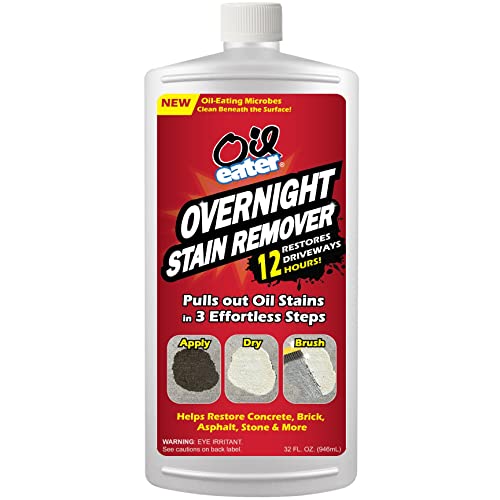
- Stain remover for concrete floors
- Heavy duty concrete scrub brush
- Wet-dry vacuum or mop and bucket
- Protective gloves and safety goggles
- Stiff broom or push broom


Before You Start
Plan a cleaning window during mild weather if outdoor access or ventilation matters. Protect floors from moisture-sensitive areas and remove movable furniture or equipment. Pre-check the surface for cracks and repair as necessary before deep cleaning. If the cement has a sealed finish, follow the manufacturer’s guidelines to avoid dulling the seal. Time estimate: 60–180 minutes depending on area size and soil level.
Step-By-Step: How To Clean A Cement Floor
- Clear the area and remove all loose debris with a stiff broom or vacuum to prevent scratching during scrubbing.
- Dry sweep or vacuum the floor to remove dust, sand, and fine particles that can interfere with cleaning results.
- Mix a small amount of concrete floor degreaser cleaner with warm water according to label directions for a typical cleaning cycle.
- Apply the degreaser to the floor, focusing on high-traffic zones and visible stains. Let it dwell for several minutes to loosen soils.
- Use the heavy duty concrete scrub brush attached to a scrub head or manual scrub to agitate the solution, working in sections.
- Rinse the floor with a pressure washer for cement floors to remove dirty water and loosened soil. Use a wide spray pattern to avoid streaks.
- Inspect for remaining stains and repeat the degreasing and scrubbing steps as needed. For stubborn spots, apply a targeted stain remover for concrete floors and let it sit briefly before scrubbing again.
- Proceed with a final rinse and ensure all cleaning agents are washed away. Use the scrubber’s squeegee or a mop to remove excess moisture.
- Allow the floor to dry completely. If a glossy look is desired, apply a concrete sealant following product instructions after the surface is dry.
- Return furniture and safety equipment to the area once the floor is fully dry and free of residue.
- Document any recurring stains and adjust future cleaning frequency to maintain the floor’s appearance and safety.
Troubleshooting
| Symptom | Likely Cause | Fix | Prevention |
|---|---|---|---|
| Streaks after cleaning | Improper rinse or detergent residue | Rinse thoroughly with a clean water rinse | Use correct dilution and rinse in sections |
| Sticky residue | Detergent buildup | Re-wash with clean water; avoid heavy soaps | Test small area first, follow label directions |
| Discoloration or dull finish | Over-wetting or harsh chemicals | Limit exposure time and use milder cleaners | Spot-test chemicals on inconspicuous area |
| Slippery surface | Remaining moisture or soap film | Dry the floor completely; use a drying aid if needed | Ventilate well during cleaning |
Common Mistakes
- Using overly aggressive cleaners on sealed concrete
- Rinsing incompletely, leaving soap films
- Scrubbing too hard, causing surface micro-scratches
- Ignoring safety gear or ventilation during cleaning
Tips For Best Results
- Test any cleaner on a small, inconspicuous patch of concrete before full application.
- Work in shaded areas or during dry weather to reduce rapid drying and water spots.
- Regular maintenance—sweeping or vacuuming daily and deeper cleaning weekly—prevents buildup.
- Choose a compatible tool: electric floor scrubber for concrete floors simplifies large-area cleaning and produces consistent results.
- For garages, basements, or workshops, maintain moisture levels to prevent mold and mildew on damp floors.
Call A Professional
Consider expert help if the floor has severe staining, oil or chemical spills, large cracks, or a deteriorating sealer. Stop cleaning and contact a pro if:
- The cement shows deep cracks or structural damage.
- Stains persist after multiple treatment attempts.
- There is concern about chemical exposure or ventilation in the space.
FAQ
Can I use household cleaners on a cement floor?
Household cleaners may work for light soil, but it’s best to use a concrete-specific degreaser cleaner for tougher stains and to avoid harming the surface finish.
Is a pressure washer necessary for cleaning cement floors?
Not always, but a pressure washer speeds up rinsing and helps remove stuck-on grime, especially in large areas or textured surfaces.
How often should I deep-clean a concrete floor?
In high-traffic spaces, aim for a deep clean every 1–3 months; low-traffic areas may require every 3–6 months.
Should I seal my cement floor after cleaning?
Sealing after thorough cleaning and drying can protect against stains and moisture, especially in basements or garages.
What if stains return after cleaning?
Persistent stains may need targeted stain remover for concrete floors and a re-evaluation of cleaning frequency and surface sealer integrity.
Buying Guide for Cement Floor Cleaning Equipment
Choosing the right tools can make cleaning faster and more effective. Consider the size of the area, soil level, and whether you prefer corded or cordless options. Look for machines with adjustable speed, ergonomic handles, and reliable brush heads for concrete surfaces. A high-quality electric floor scrubber for concrete floors can dramatically reduce scrubbing time, while a pressure washer for cement floors helps rinse away tough grime. For spot cleaning, a stain remover for concrete floors complements degreasers well. Finally, check compatibility with concrete floor degreaser cleaner formulations to prevent surface damage. Always prioritize safety features and easy maintenance to extend equipment life.