Celery adds crunch and freshness to many dishes, but its stalks can trap grit and dirt in the crevices. This guide outlines a practical, step-by-step method to clean celery thoroughly using common kitchen tools, with emphasis on food-safe techniques and efficient routines.
Quick Answer
Rinse celery under cold water, trim ends, and scrub the stalks with a celery cleaner brush or a stainless steel vegetable brush. For stubborn crevices, use a celery stalk cleaner tool or a silicone vegetable washing brush, then rinse again and dry.
What You’ll Need
- Celery cleaner brush — specifically shaped to reach nooks
- Stainless steel vegetable brush — sturdy and easy to sanitize
- Celery stalk cleaner tool — extra reach for tough areas
- Silicone vegetable washing brush — gentle but effective
- Kitchen vegetable brush set — versatile set for various produce
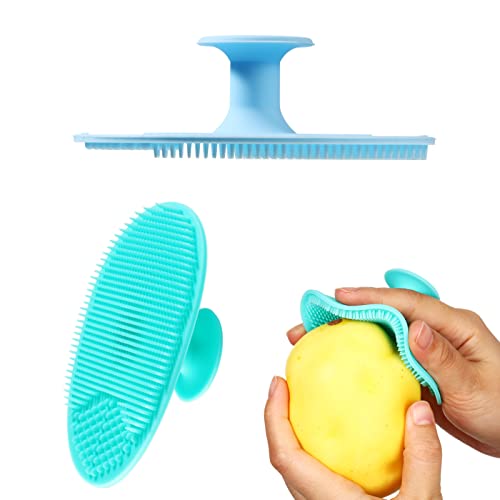


Before You Start
Prepare a clean workspace and a bowl of cold water for rinsing. Remove any leaves and trim the base of the celery. Keep utensils and brushes clean to avoid cross-contamination. Time estimate: 5–8 minutes for a standard bunch.
Step-By-Step: How To Clean Celery
- Rinse the whole celery bunch under cold running water to loosen surface dirt.
- Trim off the root end and any wilted green leaves with a sharp knife.
- Separate the stalks slightly to expose the interior crevices.
- Use a celery cleaner brush or stainless steel vegetable brush to scrub along the length of each stalk, paying attention to the ridges.
- For stubborn dirt, employ a celery stalk cleaner tool to reach tight interior corners.
- Rinse the stalks again under cold water to wash away loosened debris.
- Shake off excess water and pat dry with a clean towel or let air-dry on a rack.
- Store in the refrigerator wrapped loosely in a damp towel or in a perforated bag for freshness.
Troubleshooting
| Symptom | Likely Cause | Fix | Prevention |
|---|---|---|---|
| Remaining grit after washing | Narrow crevices not reached | Re-scrub with a silicone brush and celery stalk tool | Pre-split stalks before washing |
| Soggy celery after storage | Wrapped too tightly or not dry | Dry thoroughly; store in breathable packaging | Use paper towels to wick moisture |
| Discoloration on stalks | Overexposure to air or age | Trim affected areas and use promptly | Choose fresh celery and refrigerate |
Common Mistakes
- Skipping the initial rinse and relying only on brushing
- Using abrasive brushes on delicate stalks
- Over-washing, which can lead to soggy celery
- Storing un-dried celery directly in sealed containers
Careful brushing combined with thorough rinsing helps preserve crispness and flavor.
Tips For Best Results
- Use a dedicated silicone vegetable washing brush for gentle yet effective cleansing on delicate stalks.
- Pre-split the celery to expose inner crevices before washing to speed up cleaning.
- Keep brushes clean and sanitized between uses to prevent contamination.
- For batch prep, wash celery in small groups to ensure thorough cleaning.
Call A Professional
For processing facilities or commercial kitchens encountering persistent biofilm or unusual residues on celery, seek guidance from a food-safety specialist. If production-grade equipment shows ongoing contamination signs, do not attempt DIY fixes in bulk; professional inspection is advised.
FAQ
Can I wash celery with soap?
It is not recommended to use regular dish soap on produce; rinse thoroughly with cold water and use brushes designed for produce.
Is the celery safe to eat after cleaning?
Yes, when properly rinsed and dried, cleaned celery is ready for use in recipes or raw snacks.
How long does cleaned celery stay fresh?
Typically 1–2 weeks when stored properly in the refrigerator.
What’s the best tool for stubborn celery dirt?
A celery stalk cleaner tool or a stainless steel vegetable brush is effective for tough crevices.
Buying Guide
Choosing the right tools can streamline celery cleaning and reduce waste. Consider the following factors:
- Size and grip: Choose brushes with comfortable handles and adequate bristle density to reach all stalks.
- Material quality: Stainless steel brushes offer durability and easy sanitization; silicone brushes are gentler on delicate produce.
- Cleaning efficiency: Look for tools designed specifically for celery or foliage with tight spaces.
- Ease of cleaning: Dishwasher-safe or easy-to-rinse components help maintain hygiene.
- Storage: Compact designs or a small set can fit easily in kitchen drawers.
- Price and warranty: A reasonable price with a warranty reflects build quality and longevity.
Consider pairing a celery stalk cleaner tool with a silicone brush for versatile cleaning. A well-chosen kitchen vegetable brush set can cover multiple produce needs, making it a practical addition to any American kitchen.