Cat spray can be stubborn, but a methodical approach using enzyme-based cleaners and proper tools can restore fabrics and furniture. This guide outlines a proven process for American homes, focusing on safe products and effective techniques to remove odors and stains from cat urination incidents.
By following the steps below, pet owners can tackle spray marks on carpets, upholstery, and hard surfaces while minimizing future occurrences. The emphasis is on using enzymatic cleaners that neutralize odor-causing compounds, helping prevent cats from marking the same areas again.
Quick Answer
Start with an enzymatic cleaner specifically labeled for pet urine, saturate the affected area, blot to lift moisture, and repeat until odor is gone. For fabrics, use a microfiber cleaning tool to work the cleaner into fibers, then allow ample drying time. A carpet steamer can help with deep embeds, if available, but avoid overwetting sensitive materials.
What You’ll Need
- Enzyme-based pet urine cleaner cat spray 32oz spray bottle
- Pet odor remover enzymatic cleaner for furniture spray
- Cat urine stain remover spray with enzyme large bottle
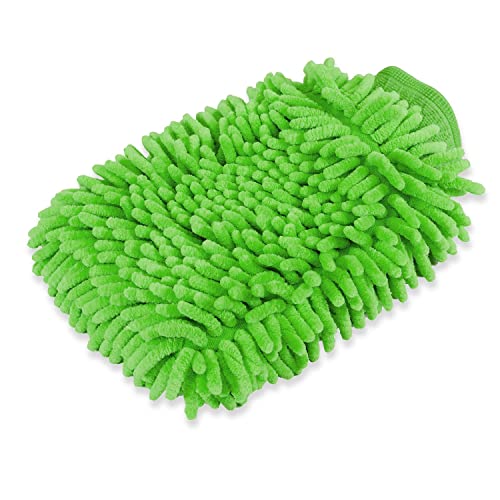
- Pet-safe microfiber cleaning mitt upholstery cleaning tool
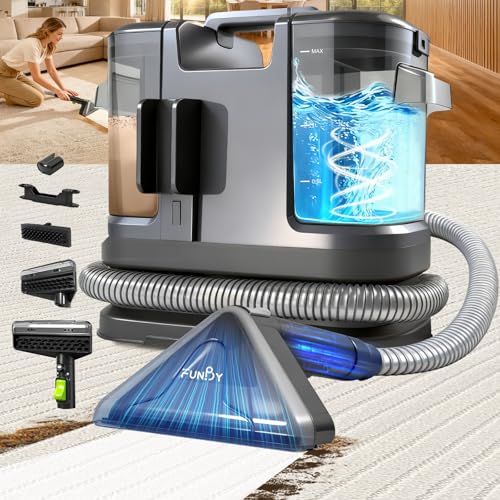
- Portable handheld carpet steam cleaner for pet urine

Before You Start
Clear the area of obstacles and blot excess moisture with clean towels. Test cleaners on a hidden fabric spot for colorfastness and material compatibility. Work in a well-ventilated space and wear gloves if you have sensitive skin. Estimated time: 20–120 minutes depending on surface and drying conditions. Important: do not mix cleaning products, and avoid ammonia-based cleaners as they can worsen odor.
Step-By-Step: How To Clean Cat Spray
- Identify all affected areas and blot—do not scrub, which can push urine deeper into fibers.
- Pour or spray the enzyme-based pet urine cleaner cat spray 32oz onto the stain, saturating it to reach the backing and fibers.
- Let the solution dwell for 5–10 minutes to allow enzymes to break down uric acid and odor compounds.
- Blot again with clean towels to remove moisture, repeating until the area feels damp‑dry rather than wet.
- For upholstery, use the pet-safe microfiber cleaning mitt to gently rub the fabric in circular motions, working cleaner into fibers.
- If odor persists, apply the pet odor remover enzymatic cleaner for furniture spray to the area and follow the same dwell time.
- For carpets or dense materials, use the portable handheld carpet steam cleaner for pet urine to extract moisture and residual cleaner after saturation.
- Allow the surface to air dry completely. If possible, place a fan or open windows to speed evaporation.
- Check the treated area after drying. If any odor remains, repeat the appropriate cleaning steps once more.
- Dispose of soiled towels and rinse tools with water to prevent cross-contamination.
- Seal the area with regular cleaning habits to discourage future marking, such as providing a dedicated litter area and addressing stress factors.
- Inspect nearby fabrics and other surfaces for secondary spots that may require additional treatment.
Troubleshooting
| Symptom | Likely Cause | Fix | Prevention |
|---|---|---|---|
| Persistent odor after cleaning | Enzymes didn’t reach the source | Reapply enzymatic cleaner and dwell longer; use steam cleaner to extract | Treat promptly; clean and dry thoroughly |
| Stain reappears after drying | Urine penetrated beyond visible area | Reassess area, expand treatment zone, re-clean | Address triggers; use deterrents or more frequent cleaning |
| Fabric discoloration | Cleaner interaction with dye | Test first on hidden spot; use milder cleaner if needed | Always spot-test |
| Surface remains damp too long | Thick pile or poor air circulation | Increase ventilation; use fans; extract moisture | Dry promptly after cleaning |
Common Mistakes
- Using ammonia-based cleaners which can mimic urine smell and encourage marking
- Over-wetting fabrics, leading to mildew or baseboard damage
- Scrubbing aggressively, which pushes urine deeper into fibers
- Using the wrong cleaner on delicate fabrics without a test patch
Tips For Best Results
- Act quickly after a spray incident to prevent set staining.
- Work cleaner from the outside of the stain toward the center to avoid spreading.
- Combine enzymatic cleaners with thorough drying for maximum odor neutralization.
- Regularly wash fabrics and replace filters in carpet cleaners to maintain suction and cleanliness.
Call A Professional
Consider a professional if the odor remains after multiple cleanings, stains cover large areas, or materials are delicate (like antique fabrics or leather). Seek guidance if your pet shows ongoing marking behavior, or if moisture is trapped beneath walls or flooring. Prompt professional assessment can prevent recurring issues and protect property.
FAQ
Can enzymatic cleaners permanently remove cat urine odors?
Yes, when used as directed, enzymatic cleaners break down odor-causing compounds and reduce the likelihood of re-marking.
Is it safe to use these products on all fabrics?
Most are safe for common upholstery and carpet, but always perform a patch test on hidden areas first.
How long should I let the cleaner sit?
Typical dwell times range from 5 to 10 minutes, depending on product instructions and material type.
Should I use a steam cleaner after enzymatic treatment?
Steam cleaning can help extract moisture and cleaner from carpets; avoid over-wetting and follow product guidelines.
What if the odor returns after a few days?
Reapply the enzymatic treatment to the area and verify that the cat’s environment and litter setup are optimized to reduce stress or marking triggers.
Are there alternative approaches for hard surfaces?
For hard surfaces, use a dedicated enzymatic cleaner spray and wipe with a microfiber cloth, ensuring complete drying to prevent residue buildup.
Buying Guide
When choosing products to combat cat spray, consider size, effectiveness, and compatibility with surfaces. A larger bottle of enzyme-based cleaner reduces frequent purchases and helps treat multiple spots efficiently. Noise level and energy use matter for home appliance tools like carpet steam cleaners, especially in quiet homes or apartments. Look for products labeled as pet-safe and fragrance-free if household sensitivities exist. Controls should be simple, with spray bottles and ready-to-use enzymatic formulas. Placement matters: store cleaners out of reach of pets and away from areas where pets frequently rest. Compare different cleaners by their enzyme content, dwell time, and user reviews to determine the best fit for households with cats and fabrics.