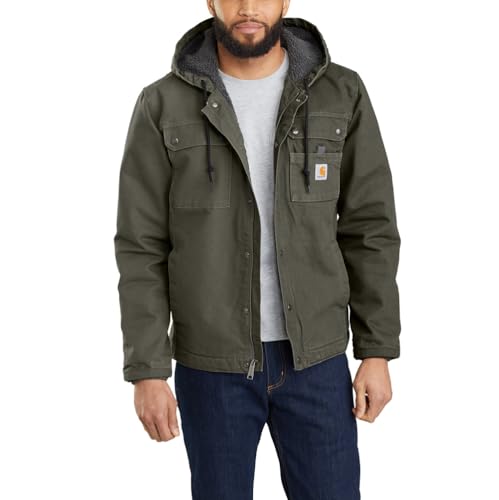
The Carhartt jacket is known for durability and rugged use, but maintaining its look and function requires a straightforward cleaning routine. This guide provides practical steps, from pre-clean prep to maintenance tips, tailored for cotton duck fabrics and workwear-grade jackets. Readers will learn how to refresh fabric, remove stains, and preserve water repellency without compromising fit or color.
Quick Answer
For most Carhartt jackets, use gentle washing in cold water with a detergent designed for workwear, avoid fabric softeners, air-dry away from direct heat, and reapply a water-repellent spray after cleaning. Treat stains promptly with a targeted remover spray and use a soft brush to lift dirt before washing.
What You’ll Need
- Carhartt jacket washing detergent for workwear cotton duck
- Carhartt jacket stain remover spray canvas cotton duck
- Garment brush for cleaning Carhartt jacket
- Lint roller for Carhartt jacket fabric care
- Water repellent spray for Carhartt jacket fabric protection

Before You Start
Check the care label for any garment-specific instructions. Test any stain remover on an inconspicuous area first to avoid color damage. Work in a well-ventilated area and protect surfaces from detergents. Time estimate: 30–90 minutes for a typical jacket, plus drying time. Avoid hot water, chlorine bleach, and fabric softeners, which can degrade cotton duck fabric and reduce water repellency.
Step-By-Step: How To Clean A Carhartt Jacket
- Inspect the jacket for stains and dirt; note areas that need extra attention such as cuffs, collar, and pockets.
- Prepare the cleaning area and fill a basin with cold or warm water, depending on the care label.
- Spot-treat stains with Carhartt jacket stain remover spray, following directions on the bottle. Let it sit for the recommended time.
- Use a garment brush for cleaning Carhartt jacket to loosen dirt on the cotton duck surface, then wipe away particles with a lint roller.
- Run a gentle wash cycle with Carhartt jacket washing detergent for workwear cotton duck. Use cold water and a small amount of detergent designed for heavy fabrics.
- Avoid washing with items that could snag fabric; turn the jacket inside out if possible to minimize abrasion.
- Rinse thoroughly to ensure no detergent residue remains, which can degrade fabric over time.
- Air-dry the jacket away from direct heat and sunlight to prevent shrinking or color fading.
- Once dry, inspect for remaining stains or stiffness. If needed, repeat spot treatment and washing steps on affected areas only.
- Reapply a water repellent spray for Carhartt jacket fabric protection after a complete dry cycle to restore the fabric’s moisture resistance.
- Store the jacket in a cool, dry place to maintain shape and finish.
Troubleshooting
| Symptom | Likely Cause | Fix | Prevention |
|---|---|---|---|
| Stains persist after washing | Stain set-in or incompatible remover | Reapply stain remover and wash again, test a different remover on a hidden area | Treat stains promptly; avoid overloading washer |
| Fabric feels stiff after washing | Detergent residue or hard water | Rinse thoroughly; consider a second rinse | Use appropriate detergent amount; softeners are not recommended |
| Color fading | Direct sun exposure or harsh cleaners | Dry indoors away from sun; use mild cleaners | Air-dry in shade; protect from prolonged sun |
| Water repellency diminished | Cleaning removed protective coating | Reapply water repellent spray after drying | Clean with proper products; avoid silicone-heavy cleaners |
Common Mistakes
- Using hot water or chlorine bleach on cotton duck
- Drying in a dryer, especially on high heat
- Overloading the washing machine, which reduces cleaning effectiveness
- Skipping a test patch before stain removal
- Neglecting to reapply water repellency after cleaning
Tips For Best Results
- Pre-treat stained areas as soon as possible for best stain removal outcomes.
- Use a detergent formulated for workwear fabrics to preserve the jacket’s texture and color.
- Brush the fabric gently to lift embedded dirt before washing to minimize abrasion.
- After drying, inspect seams and zippers for wear; minor maintenance can extend life.
- Reapply water repellent spray in a well-ventilated area to renew fabric protection.
Call A Professional
Seek professional help if the jacket shows severe fading, significant fabric tears, or stubborn stains that resist at-home treatment. Consider a professional cleaning service if the jacket is a high-value or ceremonial piece, or if the fabric has sustained water damage or mold growth.
FAQ
Can I machine wash a Carhartt jacket?
Yes, on a gentle cycle with cold water and a detergent designed for workwear cotton duck. Avoid bleach and fabric softeners.
Is a stain remover spray safe for Carhartt jackets?
Most stain remover sprays are suitable when used as directed and tested on a hidden area first.
Should I use a dryer after washing a Carhartt jacket?
No; air-dry to protect the fabric and fit. Excess heat can shrink or damage the material.
How often should I reapply water repellency?
Reapply after each thorough cleaning or whenever the fabric surface starts to feel less water-repellent.
What exact tools help clean a Carhartt jacket?
A garment brush, lint roller, appropriate washing detergent for workwear cotton duck, stain remover spray, and a water repellent spray.
Is it okay to use fabric softener?
Avoid; it can reduce breathability and water repellency of the cotton duck fabric.
Can I clean leather accents separately?
Follow manufacturer care instructions; typically, leather requires specialized cleaners and conditioning separate from fabric areas.
Buying Guide
When selecting a Carhartt jacket or planning maintenance, consider several buying factors to match needs and environment:
- Size and fit: Ensure room for layering without bulk in movement-heavy tasks. Check sleeve length and torso proportions.
- Material and construction: Cotton duck is durable but requires proper care; confirm stitch quality and reinforcements at stress points.
- Insulation level: Decide between unlined, quilted, or heavy insulation based on climate and tasks.
- Weather protection: Look for built-in windproofing and water resistance; understand how long repellency lasts between reapplications.
- Care needs: Consider ease of washing, stain removal, and whether you’re willing to repellent-treat periodically.
- Noise and breathability: Some jackets may be stiffer; weigh daily comfort against durability for specific work environments.
- Placement and features: Handy pockets, sleeve cuffs, and zippers should suit daily tasks and storage needs.
- Maintenance plan: Create a simple routine—spot-clean after use, wash when necessary, and reapply protective sprays as needed.
Choosing the right jacket and keeping it clean helps ensure long-term performance. Do you prioritize rugged durability, or lighter daily wear with easy maintenance? With the right approach, a Carhartt jacket remains a reliable work companion through seasons.