Maintaining a clean car interior improves comfort, resale value, and overall driving enjoyment. This guide focuses on a practical approach using common cleaning tools and methods that work for most vehicles. Readers will learn how to tackle dust, stains, odors, and grime without specialized equipment.
Quick Answer
Start with a quick vacuum to remove loose debris, followed by a gentle surface wipe. Use a microfiber cloth for dusting, a detailing brush for tight areas, and a steam cleaner or handheld vacuum for deeper cleaning. Finish with microfiber towels to buff surfaces and a quick deodorizing spray if needed.
What You’ll Need
Prepare a basic kit that covers most interior surfaces. The following tools and materials come recommended based on common car interior cleaning needs.
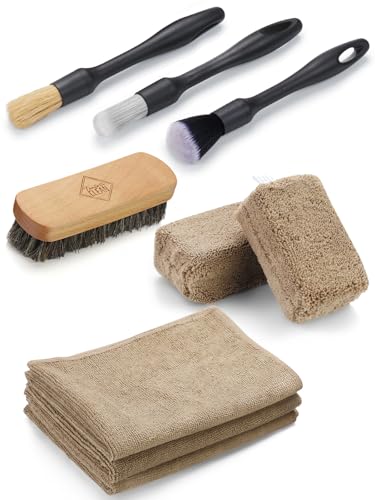
- car interior cleaning kit microfiber cloths detailing brush set
- 12V car vacuum cleaner with crevice tool for interior
- stiff detail brush for car interior trim
- microfiber towel set for car detailing
- handheld car interior steam cleaner


Before You Start
Begin with a cool engine and parked vehicle in a shaded area to prevent cleaning products from drying too quickly. Remove all personal items and trash, then vacuum seats, carpets, and mats thoroughly. Test cleaners on an inconspicuous area first to avoid dye transfer or surface damage. Estimate 30–90 minutes depending on vehicle size and condition, and plan for periodic touch-ups to maintain results.
Step-By-Step: How To Clean Car Interior
- Remove all mats and debris from the interior. Shake out mats, then vacuum the floor and trunk area to collect loose dirt.
- Vacuum seats and upholstery with the 12V car vacuum cleaner, using the crevice tool to reach tight seams and beneath seats.
- Dust hard surfaces with a microfiber cloth, starting from the dashboard and steering wheel, moving to door panels and center console.
- Use the stiff detail brush for car interior trim to dislodge caked grime on vents, cup holders, and textured surfaces.
- Clean leather or vinyl surfaces with a suitable cleaner or mild soap solution. Wipe dry with a microfiber towel to prevent streaks and moisture buildup.
- Spot-clean fabric seats with an appropriate fabric cleaner or steam cleaner. Use a light brush to lift stains and absorb moisture with towels.
- Detail the carpet and mats with the vacuum, followed by a damp microfiber wipe to remove any remaining dust and residues.
- Use the handheld car interior steam cleaner on fabric, vinyl, and certain plastics where appropriate, following manufacturer instructions and avoiding electronics.
- Buff all surfaces with clean microfiber towels to remove any residue and spray a light deodorizing product if needed.
- Reinstall mats and perform a final pass with the vacuum to pick up any loose fibers or dust that settled during cleaning.
- Inspect for missed spots and repeat targeted cleaning on stubborn areas, focusing on high-traffic zones like the driver’s seat and door panels.
- Keep interior smelling fresh by placing a subtle air freshener or using a fabric-safe deodorizer in the cabin air ducts.
Troubleshooting
| Symptom | Likely Cause | Fix | Prevention |
|---|---|---|---|
| Streaks on dashboard | Water or cleaner residue | Wipe with a dry microfiber cloth | Use minimal product on a damp cloth |
| Stains reappearing after cleaning | Deep-set fabric or dye transfer | Apply fabric cleaner and blot, repeat as needed | Treat stains promptly and use protectant |
| Unpleasant odor persists | Odor molecules trapped in carpet or upholstery | Steam clean or use enzyme-based deodorizer | Regular cleaning and ventilation |
| Steam cleaner leaves damp spots | Too much moisture | Short, repeated passes; allow drying between passes | Avoid over-wetting; use fans |
Common Mistakes
- Using excessive water on vinyl or leather, which can cause damage or staining
- Neglecting under-seats, crevices, and door pockets where dirt accumulates
- Skipping a test patch for new cleaners, risking color bleed or surface dulling
- Forgetting to dry surfaces, leading to mold or musty smells
Tips For Best Results
- Work from the top down: dashboard, consoles, then seats and floors to prevent recontamination.
- Keep a dedicated set of towels for different tasks to avoid cross-contamination.
- Use microfiber cloths exclusively for a lint-free finish and better dust pickup.
- Rotate brushes for various surface textures to avoid scratch marks on sensitive finishes.
- Regularly replace or wash cloths to maintain cleaning efficiency and hygiene.
Call A Professional
Consider professional help if: the vehicle has widespread mold or persistent odors, delicate leather requires specialized conditioning, or electrical components need cleaning inside panels. If any cleaning product causes discoloration, or if you encounter water intrusion that affects electronics, stop and consult a mechanic or detailer.
FAQ
What is the best order to clean a car interior?
Start with loose debris, vacuum thoroughly, then dust surfaces, clean upholstery and carpets, and finish with a protective wipe or deodorizer.
Can I use a steam cleaner on all interior surfaces?
Steam works well on fabrics and some plastics, but avoid steam on delicate leather and electronics. Always follow manufacturer guidelines.
How often should I clean my car interior?
Light weekly maintenance with a deeper clean every 1–3 months, depending on usage and exposure to dirt and spills.
Will cleaning products damage my car’s interior?
Choose products designed for automotive interiors and test a small area first to minimize risk of staining or surface damage.
Buying Guide
When selecting tools for cleaning a car interior, consider size, noise, and ease of use. A compact 12V car vacuum cleaner is convenient for most sedans and SUVs, while a handheld steam cleaner adds depth for fabric cleaning. Look for a microfiber cloth set and a detailing brush compatible with multiple surfaces. To maintain efficiency, choose a sturdy stiff detail brush for trim and a dedicated microfiber towel set that resists shedding. For overall outcomes, ensure the kit includes a crevice tool attachment and compatible cleaning solutions that suit both fabric and vinyl surfaces.
Key buying factors include size and storage: compact kits fit in a car trunk or garage shelf. Noise level matters for in-car use or homes with nearby sleeping areas. Energy efficiency is less critical for corded 12V devices but worth noting for battery-powered options. Controls should be simple, with clear on/off and attachment changes. Placement is about accessibility—keep the kit within reach for quick cleanups after spills or daily debris.
For comparisons, readers may evaluate a comprehensive car interior cleaning kit against individual tools like a 12V car vacuum with a crevice tool or a handheld steam cleaner. Consider whether a bundled set reduces overall cost and time spent gathering items. Always verify compatibility with your vehicle’s materials to avoid damage and ensure optimal results.