Keeping the car floor clean improves interior comfort, prolongs carpet life, and helps maintain resale value. This guide covers practical methods and the right tools to tackle mud, crumbs, and stubborn stains on car floor mats and carpets using common household and automotive-specific gear.
Quick Answer
For a fast, effective clean, start with outdoor shaking and vacuuming, use a car-specific carpet cleaning brush with a portable steam cleaner for tough stains, then treat with a motorized brush vacuum to lift embedded dirt. Finish with a dry microfiber wipe and air-dry mats before reinstalling.
What You’ll Need
- 12V handheld car vacuum with crevice tool
- car carpet cleaning brush set for interior mats
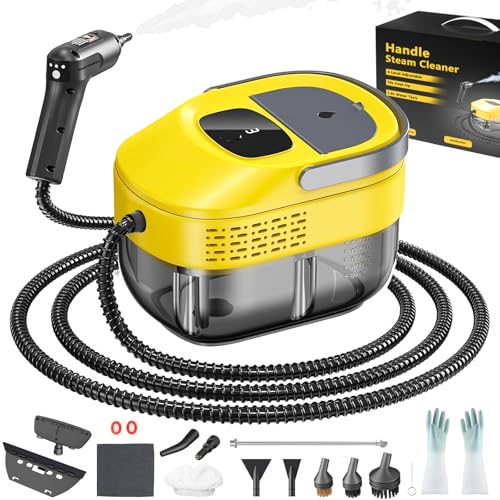
- portable steam cleaner for car interior floor mats
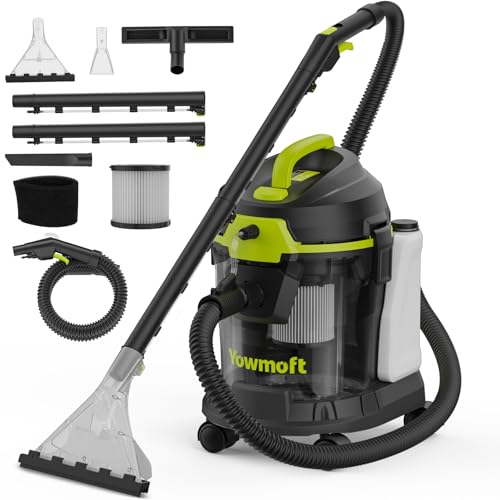
- auto interior detailing vacuum with motorized brush
- car floor mat cleaning tool kit
![[3 Pack] Auto Detailing Drill Brush Set, Wheel Cleaner Brush, Car Cleaner Wash Brush Supplies Kit Fit Tire, Car Mats, Floor Mat, Bathroom and Auto Power Scrubber Brush Cleaning Sets](https://m.media-amazon.com/images/I/51UzHhfe50S._SL500_.jpg)
Before You Start
Prepare a clean, ventilated workspace. Remove all seats mats and personal items from the car. Inspect for stains that may require pre-treating and consider weather-friendly timing to allow for drying. Safety note: never use highly volatile solvents in enclosed spaces, and test cleaners on a small inconspicuous area first to avoid dye transfer or carpet discoloration.
Time estimate: 20–60 minutes depending on soil level and mat type. For heavily soiled vehicles, plan for a longer session and consider repeating the process on a separate day.
Step-By-Step: How To Clean Car Floor
- Remove all floor mats and shake them outside to release dirt and loose debris. Vacuum the floor surface using the crevice tool to reach tight corners under seats and along edges.
- Brush the mats with a car carpet cleaning brush set to loosen embedded fibers and dislodge hair or pet dander before vacuuming again.
- Apply a light amount of cleaner suitable for your carpet type on the mats and floor, focusing on heavily stained areas. Use a steam cleaner designed for automotive interiors to lift stains from mats and carpets.
- Use the motorized brush vacuum to agitate fibers as you extract soil. Move the nozzle slowly to maximize debris removal and avoid over-wetting the carpet.
- For stubborn spots, gently scrub with a dedicated carpet stain remover or mild detergent, then steam or rinse as recommended by the product instructions. Blot excess moisture with a microfiber towel.
- Rinse mats with clean water if the cleaner requires it, then use the vacuum to remove as much moisture as possible. Lay mats flat to dry or hang them to dry in a well-ventilated area.
- Reinstall mats once completely dry. Use a light spray of fabric protector if desired, and ensure all electrical components are dry before connecting power or reassembling the interior.
- Inspect the carpeted floor for remaining staining or odors. Repeat targeted cleaning where necessary, avoiding oversaturation that can lead to mold.
- Perform a final pass with a dry microfiber cloth to pick up any residual moisture and leave a clean, refreshed interior.
- Schedule periodic maintenance based on lifestyle, such as weekly light vacuuming and monthly deep cleaning for heavily used vehicles.
Troubleshooting
| Symptom | Likely Cause | Fix | Prevention |
|---|---|---|---|
| Persistent odors after cleaning | Trapped moisture or mold in carpet | Ensure mats are fully dry; use an odor-neutralizing spray or enzyme cleaner | Dry thoroughly; consider a sealant or deodorizing treatment |
| Streaks or color transfer | Harsh cleaner or dye transfer | Rinse with clean water and blot; test cleaners on hidden area first | Use appropriate cleaners for carpet material |
| Stains return after drying | Attempted cleaning without proper stain treatment | Apply stain remover and repeat cleaning cycle | Address stains promptly |
| Excessive moisture after steam cleaning | Over-wetting or poor ventilation | Increase drying time and use a dehumidifier or fan | Avoid over-wetting; use controlled steam |
Common Mistakes
- Over-wetting carpet fibers, which prolongs drying time and invites mold
- Using aggressive brushes that fray or damage carpet fibers
- Skipping a thorough drying step, leaving damp spots behind
- Neglecting edge areas around seats and pedals where dirt accumulates
Tips For Best Results
- Vacuum first, then clean to maximize soil removal; this saves cleaning solution and time
- Work in small sections to ensure even cleaning and faster drying
- Air out the cabin by leaving doors open for 15–30 minutes after cleaning
- Use a steam cleaner on heat-sensitive areas with caution to avoid shrinking or warping mats
- Keep a dedicated set of floor mats to simplify routine maintenance and extend carpet life
Call A Professional
Consider a professional detail if any of the following apply: persistent odor after repeated cleaning, visible mold growth, large stains that resist home treatment, or if the vehicle has leather components that require specialty care. If your interior includes electrical components or water intrusion from a leak, seek professional assistance to prevent damage.
FAQ
What is the best way to clean car floor mats?
Remove mats, shake out dirt, vacuum, brush with the mat brush set, apply cleaner, scrub lightly, rinse if needed, and dry completely before reinstalling.
Can I use a household vacuum to clean car carpets?
Yes, but a car-specific vacuum with a motorized brush improves lifting dirt in tight spaces and reduces wear on fibers.
How long does it take for car floor mats to dry?
Typically 1–4 hours, depending on material, thickness, and humidity; ensure mats are completely dry before reinstalling.
Are steam cleaners safe for car interiors?
Portable steam cleaners designed for automotive interiors are generally safe when used according to the manufacturer’s instructions and kept away from electrical components.
What should I do about stubborn stains?
Pre-treat with a stain remover suitable for carpet fibers, scrub gently, and repeat as needed. Avoid harsh solvents that may damage dye.
Buying Guide
When selecting tools to clean car floors, consider size, noise, energy efficiency, and control features. Different vehicles and mat materials respond best to specific approaches, so a flexible kit often wins.
- Size and portability: Compact vacuums and handheld steamers fit easily in the trunk or garage and reach under seats.
- Noise level: Quieter models reduce fatigue during longer cleaning sessions, especially in apartments or shared spaces.
- Power and suction: A strong vacuum with a motorized brush helps lift embedded dirt from carpets and mats.
- Steam vs. chemical cleaners: Steam is great for deep cleaning and deodorizing, while chemical cleaners provide targeted stain removal.
- Controls and usability: Easy-to-use attachments, such as crevice tools and brush heads, improve versatility across mat types.
- Placement and storage: Choose tools with compact storage size and a dedicated kit bag to keep accessories organized.
For best results, assemble a kit using the provided product keywords to cover both mats and carpeted areas. Would you benefit from a combined approach with a vacuum, brush set, and portable steam cleaner for frequent maintenance? A practical setup can simplify routine cleaning and keep your car interior looking fresh.