Burnt-on residues can tarnish the beauty of copper pans and hinder performance. This guide walks through practical, non-abrasive methods to restore a copper chef pan’s shine, using common kitchen tools and purpose-made cleaners.
Quick Answer
Remove burnt-on residue with a gentle copper pan cleaning paste or a degreasing cleaner gel, then re-scrub with a non-scratch pad and finish with a light polish. For stubborn stains, a copper pan cleaning brush set can help reach crevices without scratching the surface.
What You’ll Need
- Copper pan cleaning paste with pumice
- Copper pan degreasing cleaner gel
- Burnt-on residue remover for copper pan
- Non-scratch scrub pad for copper cookware
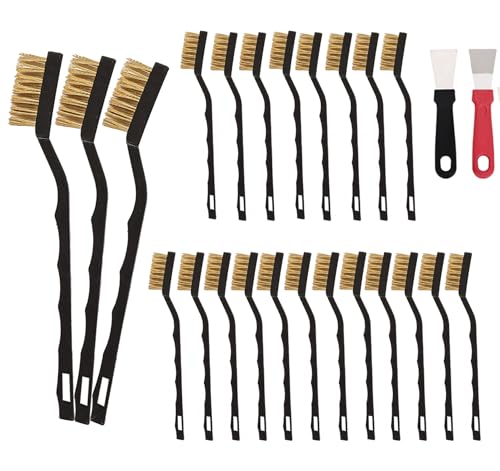
- Copper cookware cleaning brush set
- Soft cloths or microfiber towels


Before You Start
Before tackling burnt copper, ensure the pan is cool to the touch and free of loose debris. Work in a well-ventilated area, especially when using cleaners with strong scents. Test any cleaner on a small, inconspicuous area first to avoid discoloration. Avoid bleach or abrasive steel wool, which can damage copper’s protective patina and lining. Plan for a 15–30 minute cleaning session for routine buildup, longer for severe scorching.
Step-By-Step: How To Clean Burnt Copper Pan
- Rinse the pan with warm water to loosen loose particles and prevent scratching during cleaning.
- Apply a thin layer of copper pan cleaning paste with pumice or burnt-on residue remover for copper pan to the interior surface.
- Let the paste sit for 5–10 minutes to dissolve carbonized layers, then begin gentle circular scrubbing with a non-scratch scrub pad for copper cookware.
- For stubborn spots, dab a small amount of copper pan degreasing cleaner gel on the area and continue scrubbing in a circular motion.
- Use a copper cookware cleaning brush set to reach seams and inner corners that a pad can’t access.
- Rinse thoroughly with warm water and repeat the cleaning cycle if any residue remains.
- Dry the pan completely with a soft cloth to prevent water spots and copper tarnish.
- Buff the exterior with a clean microfiber cloth to restore sheen; a light coat of mineral oil can help protect the patina over time.
- Inspect the pan for uniform shine. If dull patches persist, repeat steps 2–5 or alternate between paste and gel cleaners for balanced results.
- Store upright or on a rack to minimize future contact with moisture and acidic foods.
- For routine care, use the paste or gel cleaner periodically to maintain brightness and prevent heavy buildup.
Troubleshooting
| Symptom | Likely Cause | Fix | Prevention |
|---|---|---|---|
| Uneven discoloration after cleaning | Copper patina reacted to cleaner | Buff with a soft cloth until uniform; re-season exterior with a light oil | Test cleaner on small area first; avoid harsh gels on entire surface |
| Scratches appear after scrubbing | Use of abrasive pad | Switch to non-scratch pad; resume with gentler motions | Always use non-scratch tools on copper surfaces |
| Persistent burnt residue near handle | Hard-to-reach areas | Use brush set to reach crevices; repeat cleaning cycle | Clean after each use to prevent buildup |
| Surface dullness | Inadequate polishing | Thorough buffing with microfiber cloth and wipe-down | Regular maintenance after cooking |
Common Mistakes
- Using steel wool or metal brushes on copper finishes
- Over-wetting the pan during cleaning, causing water spots
- Neglecting to dry the pan fully, which invites tarnish
- Applying cleaner directly to hot surfaces
Tips For Best Results
- Clean burnt areas as soon as possible to reduce scrubbing time
- Alternate between paste and gel cleaners for different types of residue
- Always dry thoroughly and buff the exterior for a bright finish
- Store copper pans away from direct sunlight to minimize patina changes
- Consider a light mineral oil treatment to preserve luster between uses
Call A Professional
If the copper pan shows deep pitting, warped bottoms, or significant lining damage, or if the cleaning process threatens the integrity of a bonded copper and aluminum pan, seek professional help. Stop cleaning and contact a cookware specialist when heat discoloration, unusual smells, or flaking surfaces appear.
FAQ
Can I use vinegar to clean a burnt copper pan?
Vinegar is commonly used to remove tarnish but should be applied sparingly and diluted. It may help with light discoloration but is less effective on heavy burnt-on residue.
Is it safe to use copper pan cleaning paste on all copper pots?
Most copper pans can tolerate cleaning paste, but always check manufacturer guidelines, especially for lined or bonded cookware.
How often should I clean my copper pan?
Clean after noticeable buildup and perform a light polish every few uses to maintain shine and prevent corrosion.
What should I do after cleaning to maintain shine?
Dry completely, buff the exterior, and consider a light oil coating for protection between uses.
Buying Guide
When selecting copper pan cleaners and maintenance products, consider size, effectiveness, and gentleness on copper finishes. Here are key buying factors to evaluate:
- Size and scope: Choose products that match the typical pan sizes in the kitchen and offer enough paste or gel for several cleanings.
- Effectiveness across residue types: A combination of paste with pumice and a degreasing gel can tackle both carbonized food and greasy residues.
- Non-scratch tools: Ensure pads and brushes are labeled non-scratch to protect copper surfaces.
- Ease of use: Cleaner gels that cling to vertical surfaces reduce dripping and improve contact time.
- Allergen and scent considerations: Opt for fragrance-free or mild-scent formulas if sensitive to strong cleaners.
- Cost and packaging: Look for multi-pack sets that include a brush set and cleaning pad for value and convenience.
- Maintenance compatibility: Some products double as degreasers for other copper cookware, offering versatility in a single kit.
For most households, a balanced combination of a pumice-based copper pan cleaning paste and a degreasing cleaner gel provides reliable results. Would you rather concentrate on fast results or thorough restoration? The right kit often depends on how frequently you cook with copper and the stubbornness of accumulated residue.