Clean bubblers help maintain optimal flavor, airflow, and longevity. This guide walks American readers through safe, effective methods using common tools and the right cleaning strategies. Whether the bubbler is a compact desktop model or a larger glass piece, a routine clean keeps resin from building up and reduces odors.
By following practical steps and choosing the right tools, users can restore clarity and extend the life of their smoking device. The goals are simple: remove built-up grime, avoid scratches, and minimize downtime between uses.
Quick Answer
To clean a bubbler quickly, disassemble the piece, soak it in a 1:1 solution of isopropyl alcohol and coarse salt, then scrub with a flexible brush until clear. Rinse thoroughly with warm water, air-dry completely, and reassemble. For stubborn residue, repeat or use a specialized cleaning tool to reach internal chambers.
What You’ll Need
- Glass pipe cleaning brush set
- Bubbler cleaning kit with flexible pipe cleaners
- Smoking device pipe cleaner set
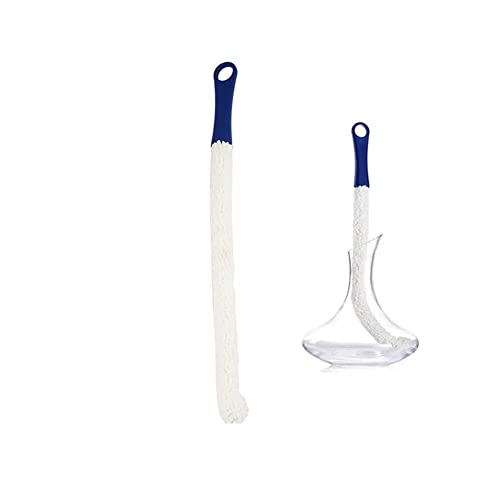
- Glass bubbler brush wand
- Silicone flexible cleaning brush for glass pipes


Before You Start
Prepare a clean workspace and gather the tools listed above. Safety first: work in a well-ventilated area, wear gloves if desired, and avoid using heat sources that could crack glass. Time estimates vary: a quick clean may take 15–30 minutes; a deep clean can take 45–60 minutes, including soaking time. Ensure the bubbler is completely cool before handling to prevent burns or damage.
Tip: remove any detachable parts and set aside to dry separately. If the piece has delicate glasswork, handle it gently to prevent micro-cracks during scrubbing.
Step-By-Step: How To Clean A Bubbler
- Disassemble the bubbler: remove the bowl, mouthpiece, and any removable percolator pieces.
- Rinse with warm water to loosen loose debris and resin buildup in open chambers.
- Prepare a cleaning solution: mix isopropyl alcohol with coarse salt in a container deep enough to submerge the bubbler.
- Submerge the parts: place them in the solution, ensuring all areas are covered. For stubborn spots, add a few drops of alcohol directly to those areas.
- Soak time: allow a soak of 15–30 minutes for light buildup or 60 minutes for heavy resin. Gentle agitation during soaking can help.
- Scrub with the appropriate tool: use the glass pipe cleaning brush set, silicone flexible cleaning brush for glass pipes, or glass bubbler brush wand to reach crevices and the stem.
- Rinse thoroughly: run warm water through all passages until all alcohol and salt residue is gone and the water runs clear.
- Inspect and repeat if needed: check for remaining buildup; repeat soaking and scrubbing if necessary.
- Dry completely: allow components to air-dry on a clean towel or rack before reassembly. Ensure all moisture has evaporated to prevent mold growth.
- Reassemble and test: once dry, reassemble the bubbler and perform a water test to confirm there are no leaks or blockages.
- Store properly: keep the bubbler in a safe, padded space to prevent damage between uses.
- Optional maintenance: consider a routine weekly cleaning for frequent users to prevent heavy buildup.
Troubleshooting
| Symptom | Likely Cause | Fix | Prevention |
|---|---|---|---|
| Persistent cloudy tint after cleaning | Residual film on glass | Re-soak with fresh solution and scrub targeted areas | Clean regularly to prevent heavy buildup |
| Cracks or chips after cleaning | Extreme temperature changes or impact | Avoid sudden temperature shifts; let glass warm to room temp | Handle gently; use padded storage |
| Residue in the reed or chamber | Salt not fully rinsed | Rinse thoroughly with multiple warm water passes | Rinse immediately after soaking in future cleans |
| Unpleasant odor after cleaning | Leftover cleaning agents | Rinse thoroughly, then soak briefly in fresh water | Rinse promptly after each cleaning |
Common Mistakes
- Using overly hot water on delicate glass pieces, which can cause cracks.
- Skipping the rinse step, leaving cleaning agents in the passages.
- Using abrasive or metal brushes that scratch the glass surface.
- Neglecting to dry the bubbler completely, which can promote mold growth.
Tips For Best Results
- Match the cleaning method to buildup level: light resin may clean with a quick soak, while heavy buildup benefits from a longer soak with gentle scrubbing.
- Use flexible pipe cleaners to reach tight bends and the interior of the stem.
- For sensitive glass, avoid aggressive brushing; instead, rely on soaking and soft bristles.
- Consider a dedicated cleaning routine: short, frequent cleans reduce stubborn residue and preserve flavor.
- Store tools and cleaners in a designated kit for quick access and consistency.
Call A Professional
Seek professional help if the bubbler shows large cracks, warped joints, or if interior components are inaccessible and cleaning attempts fail to remove residue. If there is any structural damage that could compromise user safety, stop using the piece until inspected by a skilled glass restorer or technician.
FAQ
Is isopropyl alcohol safe for cleaning bubblers?
Yes, isopropyl alcohol is commonly used to dissolve resin and disinfect glass; ensure thorough rinsing afterward to remove any residue.
Can I use household cleaners to clean a bubbler?
Most household cleaners are not suitable; they can leave harmful residues. Prefer dedicated cleaning solutions or alcohol-based methods with a proper rinse.
How often should I clean my bubbler?
Light users may clean weekly, while frequent users may benefit from a deeper clean every 2–4 weeks depending on buildup.
What should I do if the piece becomes cloudy after multiple cleans?
Consider a longer soak or a different cleaning tool to reach internal areas; repeated cleaning improves clarity over time.
Buying Guide
When selecting cleaning tools for bubblers, consider size, material compatibility, and ease of use. Buying factors include:
- Size and reach: Larger bubblers require longer brushes and wand tools to access deep chambers.
- Tool flexibility: Flexible silicone and wire core brushes reach tight curves without scratching.
- Material compatibility: Tools marketed for glass cleaning protect delicate surfaces while removing resin.
- Ease of cleaning: Sets that include all-in-one containers or soak-friendly components simplify maintenance.
- Durability: Stainless steel brushes resist wear, while silicone pads resist deformation over time.
- Price vs. value: A multi-tool kit can cover diverse bubbler models, reducing the need for multiple purchases.
- Noise and odor control: Some kits include odor-minimizing cleaners or low-odor formulas for quick use indoors.
How to choose among options? Consider your bubbler’s size, your cleaning frequency, and whether you prefer flexible pipe cleaners or wand-style tools. Do you lean toward a compact travel kit or a full home kit with multiple brushes? A well-rounded kit with options from the product keywords above often provides the best coverage for most users.