Maintaining the shape, softness, and longevity of bras requires proper cleaning techniques. With the right tools and routines, undergarments stay comfortable and supportive while lasting longer between replacements. This guide outlines practical steps using common delicate-care products to keep bras in top condition.
From washing to drying, following gentle methods helps preserve elastic bands, lace, and cups. The approach centers on cool water, mild detergents designed for delicates, and air drying to prevent warping or fabric damage.
Quick Answer
Best practice: Hand wash bras with a dedicated delicate detergent, use a mesh bag for extra protection during machine washes if needed, and air dry flat away from direct heat.
What You’ll Need
- Mesh lingerie wash bag for bras delicate undergarments 12×16 inches for gentle machine cleaning
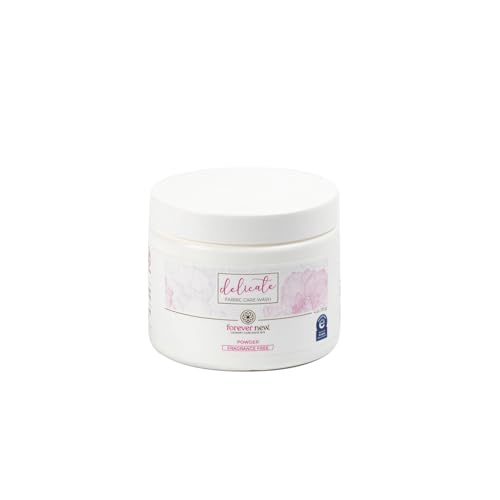
- Bra care detergent for delicates liquid 32 oz formulated to protect elasticity
- Gentle hand wash detergent for silk lace and cotton bras as a secondary option
- Air drying rack for bras with clip supports to hold cups and straps evenly
- Bra washing bag with zipper 10×12 inches for additional machine-wash protection


Before You Start
Inspect each bra for stretched bands, missing clasps, or fraying straps. Pre-treat any beadwork or embroidery gently to avoid snagging. Use cool or lukewarm water, never hot, to prevent fiber damage and set colors. Time estimate: 15–30 minutes per wash, plus drying time. Important: avoid harsh cleaners, bleach, or wringing out bras, which can deform shape and elasticity.
Step-By-Step: How To Clean Bras Safely
- Fill a basin with cool or lukewarm water and add a small amount of bra care detergent for delicates or gentle hand wash detergent according to label directions.
- Gently submerge one bra at a time, letting it soak for 5–10 minutes to loosen sweat and oils without stressing fibers.
- Lightly agitate the cups and band with soft downward strokes, avoiding scrubbing or twisting that can distort shape.
- For machine cleaning, place bras in a mesh lingerie wash bag for bras delicate undergarments or the bra washing bag with zipper, then run a delicate cycle with cold water.
- Rinse bras thoroughly in cool water, pressing water out gently without wringing.
- Lay bras on a clean towel, roll to blot excess moisture, then reshape cups and arches before drying.
- Attach padded or cup-forward bras to an air drying rack for bras with clip supports to prevent deformation; avoid hanging by the straps alone.
- Allow drying away from direct heat or sunlight to preserve elasticity and color fastness.
- Store with cups stacked or laid flat to maintain structure, not folded along the underwire.
- Repeat the routine as needed, pairing each wash with a gentle rinse to remove residue and odors.
- For heavily soiled areas, a second brief soak in cooler water can improve freshness without risking fiber damage.
- If using a second detergent option, ensure the rinse is thorough to avoid any residue that could irritate skin or degrade fabrics.
Troubleshooting
| Symptom | Likely Cause | Fix | Prevention |
|---|---|---|---|
| Cup wrinkles after drying | Heat or overstretched fabric | Reshape while damp and air dry | Avoid wringing; use our recommended drying rack |
| Color fading or bleeding | Hot water or strong detergents | Switch to cool water and delicate detergent | Separate colors; wash delicates together |
| Elastic looseness | Repeated aggressive agitation | Use gentle hand wash or delicate cycle | Use proper support in wash bag |
| Clasp or hook snagging | Loose laundry items or drawers | Secure hooks; remove removable embellishments | Close hooks before washing |
Common Mistakes
- Using hot water or harsh detergents on bras
- Wringing or twisting bras to remove water
- Drying bras in direct sun or near heat sources
- Washing underwires and padding in the wrong orientation
- Skipping the cup reshaping step while drying
Tips For Best Results
- Rotate bras to avoid overuse of any single piece, preserving elasticity.
- Ask questions about fabric blends to choose the right detergent type for delicate lace, cotton, or silk bras.
- Prefer cool water cycles and shorter wash times to extend fiber life.
- Maintain a dedicated drying area with a rack to keep airflow around each item.
- Consider a second rinse if odor remains after washing.
Call A Professional
Seek professional cleaning if a bra has delicate beadwork, intricate embroidery, or structural damage such as a broken underwire or stretched band. Signs to consult a pro include persistent misshaping after multiple washes or color transfer that affects multiple garments.
FAQ
Can I machine wash bras?
Yes, with a delicate cycle and protective bags for most bras; choose cool water and a gentle detergent.
Is detergent for delicates necessary?
Detergents formulated for delicates help preserve elasticity and lace fibers better than regular detergents.
How should I dry bras?
Air dry flat or on an adjustable rack; avoid heat sources like dryers or direct sunlight.
How often should bras be cleaned?
Clean after a day of wear or when odors or sweat appear; frequency depends on activity and usage.
Buying Guide
When selecting products for bra care, consider size, noise level, energy efficiency, controls, and placement. For washing, a mesh bag in a compact size offers protection without bulk, while a dedicated gentle detergent preserves fibers without harsh chemical exposure. An air drying rack with clip supports keeps cups in shape during drying. For multiple bras, choose a larger bag or several smaller bags to fit your laundry routine. Compare options based on bag materials, zipper reliability, and compatibility with standard washing machines. If space is tight, a compact drying rack can still provide effective airflow and support. In short, pairing a delicate detergent with careful washing tools and proper drying methods maximizes bra longevity and comfort.