Cleaning bracelets keeps them looking their best and helps preserve metal finishes and gemstones. This guide covers practical, safe methods suitable for a range of bracelet materials, including silver, gold, stainless steel, and fashion jewelry. By following step‑by‑step instructions and using the right tools, owners can refresh bracelets at home without risk of damage.
Quick Answer
Use an appropriate cleaning method for the bracelet’s material. For metal bracelets, a gentle soak in a mild solution followed by a soft brush and rinse is usually effective. For ultrasonic cleaners, choose a low‑energy setting and follow the device’s instructions. Always dry completely to prevent water spots or corrosion.
What You’ll Need
- Silver bracelet cleaning ultrasonic cleaner
- Gold bracelet cleaning solution with microfiber cloth kit
- Stainless steel bracelet cleaning brush set
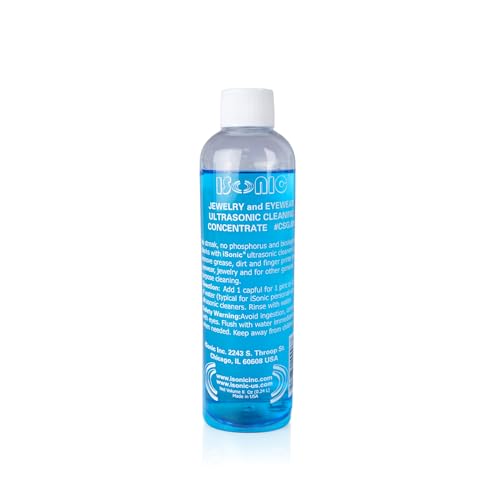
- Jewelry cleaning liquid for bracelets ultrasonic cleaner
- Compact ultrasonic jewelry cleaner for bracelets


Before You Start
Identify the bracelet metal and stones before cleaning. Check for loose clasps, bent links, or protruding stones. For delicate pieces, use a gentler method or seek professional help. Never use abrasive cleaners on pearls, opals, or on brushed or antique finishes. Gather all tools and lay a soft cloth on a flat work surface. Time estimates vary by method, typically 5–15 minutes for a simple clean.
Step-By-Step: How To Clean Bracelets
- Inspect the bracelet for damage and determine the safest cleaning method based on metal and stones.
- Remove any loose stones or charms if possible to minimize risk during cleaning.
- Prepare a cleaning solution appropriate for the bracelet type. For many metals, use warm water with a drop of mild dish soap.
- Soak the bracelet in the solution for 5–10 minutes if the material allows soaking; avoid prolonged exposure for porous or fragile stones.
- Gently scrub with a soft-bristled brush or microfiber cloth, paying attention to crevices and links.
- Rinse thoroughly under lukewarm running water to remove all soap residues.
- Pat dry with a soft, lint-free cloth and let air dry completely before wearing or storing.
- For ultrasonic cleaners, place the bracelet in the device’s basket with the appropriate cleaning solution and run a short, low‑intensity cycle. Remove and rinse the piece immediately after the cycle.
- Inspect again for any remaining grime. Repeat only if necessary and safe for the bracelet type.
- Store in a dry, padded jewelry box or on a soft cloth to prevent scratches.
- Schedule regular cleanings to maintain luster and prevent buildup on links and clasps.
Troubleshooting
| Symptom | Likely Cause | Fix | Prevention |
|---|---|---|---|
| Dull, cloudy finish after cleaning | Soap residue or mineral deposits | Rinse thoroughly and dry completely | Rinse promptly after cleaning; use distilled water if minerals are present |
| Scratches appearing on metal | Coarse brush or abrasive cleaner | Switch to a softer brush and gentler cleaner | Avoid abrasive pads; clean with gentle motions |
| Loose stones or clasps | Wear and tear; aggressive cleaning | Stop cleaning and consult a jeweler | Inspect regularly; handle with care |
| Discoloration on gold or silver | Reaction with certain cleaners or chemicals | Use jewelry-safe products; test on a hidden area first | Only use recommended cleaners for the metal |
Common Mistakes
- Using abrasive cleaners or rough brushes on soft metals or stones
- Soaking pieces with glued components or porous stones for too long
- Overreliance on ultrasonic devices for all bracelet types
- Neglecting to dry thoroughly, which can cause water spots or corrosion
Tips For Best Results
Choose a cleaning method aligned with the bracelet’s material and finish. For everyday bracelets, a quick wipe with a damp microfiber cloth can suffice. If using an ultrasonic cleaner, select the lowest power setting and shortest cycle to avoid agitation that could loosen stones. Always test a small, inconspicuous area first to avoid unintended damage.
Call A Professional
Stop cleaning and seek professional help if the bracelet has:
- Loose or missing stones
- Visible cracks or bent links
- Antique finishes or sentimental pieces with unknown coatings
- Uncertain metal type or suspicious repairs
FAQ
Can I clean all bracelets with an ultrasonic cleaner?
Most metal bracelets respond well, but avoid porous stones, certain gemstones, and antique finishes that may be damaged by ultrasound.
What if my bracelet has multiple materials?
Use the gentlest method that suits the most delicate material, and avoid harsh cycles that could affect any gemstones.
How often should I clean bracelets?
Regular light cleaning is fine; deeper cleans can be done monthly or as needed based on wear and exposure to dirt and oils.
Is it safe to use household cleaners on bracelets?
Only if the product is labeled safe for jewelry. Otherwise, use dedicated jewelry cleaners designed for the specific materials.
Buying Guide
When choosing tools and products to clean bracelets, consider several factors to ensure effective, safe results.
Size and Capacity: Ultrasonic cleaners come in different tank sizes. For most bracelets, a compact unit is sufficient, but longer bracelets may require a larger basin or a pass‑through ladder rack to avoid tangling.
Noise Level: Ultrasonic devices vary in noise. If the cleaner will operate in a living space, look for models marketed as quiet or with additional damping features.
Energy Efficiency: Energy use is often modest for small jewelry cleaners, but check the wattage and energy‑saving modes if you plan frequent use.
Controls and Settings: Easy‑to‑use timers and frequency controls help tailor cycles to different bracelet materials. Look for presets for steel, silver, and gold, plus a gentle rinse option.
Placement: Place cleaners on a stable, heat‑resistant surface away from children and pets. Ensure proper ventilation and use a dedicated cleaning basket to prevent misplacement of small components.
Cleaning Solutions: Use products compatible with your bracelet materials. Some kits pair a gold bracelet cleaning solution with microfiber cloths for quick polish, while others offer multi‑material cleaners suitable for alloys and stainless steel.
Safety Features: Auto shut‑off, low‑water alarms, and built‑in timers add convenience and reduce the risk of overexposure to cleaning solutions.
Maintenance and Longevity: Regularly clean the unit’s basket, wipe the interior, and replace cloths to prevent residue transfer. A well‑maintained cleaner extends its lifespan and protects jewelry.
Considering these factors helps buyers select a cleaning solution or ultrasonic cleaner that matches their bracelet collection, lifestyle, and risk tolerance. Always follow the manufacturer’s instructions for best results and safety.