Leather boots combine durability and style, but they require proper care to extend their life. This guide provides a clear, step-by-step method to clean, condition, and protect leather boots, using commonly available tools and products in the U.S. market. Readers will learn how to refresh worn-looking boots while preserving color, texture, and waterproofing.
The following instructions focus on routine maintenance for everyday leather boots, including hiking models. Whether you’re tackling light dirt from urban wear or grime from outdoor adventures, a systematic approach helps keep leather supple and attractive.
Quick Answer
Clean boots with a leather boot cleaning kit with conditioner and brush or a leather boot conditioner and polish kit, brush off dirt with a long-handle boot cleaning brush, apply conditioner, and seal with a waterproofing spray for leather boots. Dry thoroughly with an electric boot dryer for hiking boots before wear.
What You’ll Need
- Leather boot cleaning kit with conditioner and brush
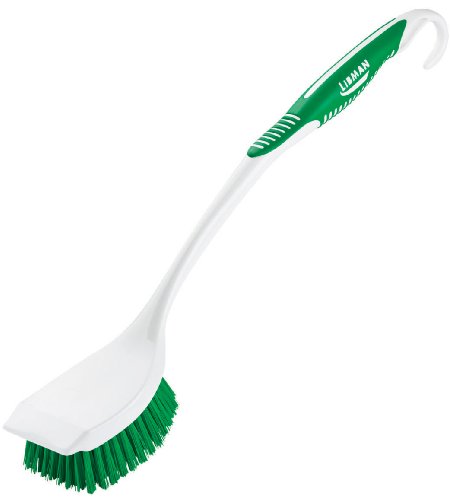
- Long-handle boot cleaning brush
- Waterproofing spray for leather boots
- Electric boot dryer for hiking boots
- Leather boot conditioner and polish kit


Before You Start
Prepare a clean work surface and test products on a hidden area of the boot to check for color shifts. Work in a well-ventilated area to avoid inhaling fumes from cleaners or sprays. For drying, avoid direct heat sources that can crack leather; aim for a room-temperature environment and airflow. Time estimate: 30–60 minutes for the initial clean and condition; plus additional drying time if boots are very damp. Keep leather away from extreme heat and moisture during the process.
Step-By-Step: How To Clean Leather Boots
- Remove laces and loosen any decorative hardware to access seams and tongue more easily.
- Brush off loose dirt and debris with the long-handle boot cleaning brush, using gentle, even strokes.
- Shake or tap the leather boot cleaning kit with conditioner and brush to ensure the cleaner is evenly mixed, then apply a small amount to the brush or cloth.
- Gently clean the boot surfaces in circular motions to lift grime without rubbing color off. Focus on toe caps and heels where dirt accumulates.
- Wipe away suds with a clean, damp cloth and allow the boots to air-dry to a barely damp state.
- Apply a thin, even layer of leather boot conditioner and polish kit conditioner to restore suppleness. Let it absorb for 10–15 minutes.
- Buff the boots with a clean cloth to remove excess conditioner and restore shine. Reheat or refresh if desired, but avoid over-application.
- Apply waterproofing spray for leather boots following label directions. Apply in a well-ventilated area, with even, light coats and drying time between passes.
- Re-lace boots and, if needed, treat stitching with a small amount of conditioner to prevent drying cracks.
- Use the electric boot dryer for hiking boots only after the surface is nearly dry to speed drying and maintain boot shape. Stop once boots feel dry to the touch.
- Store in a cool, ventilated area away from direct sunlight to preserve color and conditioning effects.
- Periodically repeat cleaning and conditioning every few months, or after heavy exposure to rain, mud, or salt.
Troubleshooting
| Symptom | Likely Cause | Fix | Prevention |
|---|---|---|---|
| Leather feels stiff after cleaning | Insufficient conditioning | Apply a thin layer of conditioner and allow to absorb fully | Condition at regular intervals; avoid over-washing |
| Water beads on surface after waterproofing | Uneven application or insufficient drying | Reapply in light coats after thorough drying | Follow product directions; dry completely between coats |
| Color transfer or fading | Harsh cleaners or over-aggressive scrubbing | Use gentler motions and a product suited for leather | Test on hidden area first; use proper leather products |
| Stiff laces or hardware secured | Moisture exposure then rigidity | Dry laces separately; inspect hardware for rust | Remove laces before cleaning; dry hardware thoroughly |
Common Mistakes
- Using household cleaners not designed for leather, which can dry out or discolor boots.
- Over-wetting leather, leading to stiffness or water staining.
- Skipping conditioning after cleaning, causing cracks over time.
- Directly applying heat to speed drying, which can warp leather or soles.
Tips For Best Results
- Test products on a concealed area of the boot before full application.
- Work in small sections to ensure even coverage and avoid patchy results.
- Use dedicated leather care products to preserve color integrity and flexibility.
- Store boots with boot trees or rolled newspaper to maintain shape during downtime.
- Rotate care routines with seasonal use to maintain leather health.
Call A Professional
Consult a cobbler or leather care specialist if boots show extensive cracking, deep salt damage, or stitching separation. Seek professional help if water damage or color fading affects large areas or the boot’s structural integrity.
FAQ
Can I clean wet boots the same day I wore them in rain?
It’s best to allow boots to dry naturally away from direct heat and then clean once dry to avoid trapping moisture.
How often should I condition leather boots?
Condition every 1–3 months during regular use, or after heavy exposure to moisture or salt.
Is waterproofing spray safe for all leather types?
Most leather boots benefit from waterproofing; test on a hidden area first and follow manufacturer guidance for your boot type.
Will boot polish change the color?
High-quality polishes are formulated to match or enhance the color; choose a product that matches your boot finish.
Buying Guide
When selecting boot care products, consider size and compatibility with leather finishes. Look for a leather boot cleaning kit with conditioner and brush or a leather boot conditioner and polish kit that includes a conditioner and applicator. For dark or matte finishes, choose a conditioner that preserves natural patina without over-shining. A long-handle boot cleaning brush helps reach sturdy seams without bending over. A waterproofing spray for leather boots provides protective barriers against moisture, while an electric boot dryer for hiking boots can speed drying after cleaning and conditioning. For larger cleaning tasks or frequent upkeep, having both a cleaning kit and a conditioner set ensures you cover surface cleaning, conditioning, and sealing in one routine. Consider noise level and energy use for any electric drying device if placed near living spaces. Place boots in a ventilated area away from direct sunlight to maintain leather color and flexibility. Finally, ensure products are labeled for leather care and compatible with your boot type to avoid unintended damage.