The bluestone patio adds timeless charm to outdoor spaces, but cleaning requires care to preserve color and structure. This guide provides practical steps, product recommendations, and maintenance tips tailored to American homes.
Quick Answer
For best results, start with a gentler cleaning method and move to a low-pressure rinse. Use a pH-neutral stone cleaner, a moss and algae remover for growth, and a pressure washer with a rotating brush attachment for stubborn stains. Finish with a proper stone sealer to protect the surface.
A Practical Starter Kit: What You’ll Need
Gather these tools and products to tackle most bluestone patio cleaning tasks. The list incorporates common, effective options for outdoor stone care.
- Pressure washer for bluestone patio cleaning
- Rotating brush attachment for stone patio cleaning
- pH-neutral stone cleaner for bluestone patio
- Moss and algae remover for bluestone patio
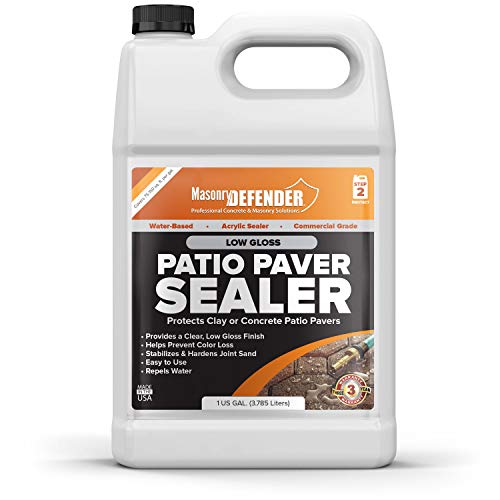
- Stone sealer for bluestone patio outdoor sealant


Before You Start
Assess the patio for cracks, loose or damaged joints, and efflorescence. Test cleaners on a small, inconspicuous area. Protect adjacent plants, lawns, and outdoor furniture. Schedule cleaning for daylight hours and moderate temperatures to avoid rapid drying. Wear eye protection, gloves, and closed-toe shoes during cleaning. Work methodically, from house edges outward, to avoid re-depositing dirt.
Step-By-Step: How To Clean Bluestone Patio Effectively
- Clear debris: Remove leaves, dirt, and furniture to expose all stone surfaces.
- Pre-wet the surface: Lightly rinse with a garden hose to reduce sudsing and protect nearby plants.
- Apply moss and algae remover: Following product directions, treat any growth hotspots and allow time to soak in.
- Scrub with rotating brush: Attach the rotating brush to the pressure washer and scrub in a consistent, overlapping pattern.
- Rinse thoroughly: Use a low-pressure rinse to remove loosened grime and cleaner residue.
- Neutralize and spot-clean: If needed, apply a pH-neutral cleaner to stubborn stains and rinse again.
- Inspect joints and seams: Re-clean any missed areas and repair as necessary before sealing.
- Dry completely: Allow the surface to dry fully before applying sealer to ensure proper adhesion.
- Apply stone sealer: Use a brush or sprayer per product instructions, covering all surfaces evenly. Apply a second coat if recommended.
- Cure time: Allow the patio to cure according to sealant guidelines before foot traffic.
Troubleshooting
| Symptom | Likely Cause | Fix | Prevention |
|---|---|---|---|
| Streaks after sealing | Uneven application or insufficient drying | Reapply thin coat evenly and allow full cure | Follow manufacturer drying times and use the same technique across the surface |
| Surface darkens after cleaning | Excess moisture or unfinished rinsing | Rinse again with low pressure until clear | Do not rush final rinse; wait for surface to dry |
| Bleached or faded areas | Strong cleaner or sun exposure | Use only pH-neutral cleaners; re-seal after drying | Test cleaner in a small area first |
| Joint deterioration after sealing | Too much sealer near joints or improper surface prep | Clean joints and reseal following guidelines | Proper surface preparation and consistent application |
Common Mistakes To Avoid
- Using high-strength cleaners or acidic solutions on bluestone
- Relying solely on a power washer without a brush for textured surfaces
- Sealing a wet or damp surface
- Skipping a test patch before full application
- Overlapping or pooling sealer at the edges and joints
Tips For Best Results
- Work in shaded areas to slow drying and reduce streaking.
- Choose a penetrating, breathable sealer to preserve the natural look.
- Use a circular or overlapping brush motion to avoid lines and ridges.
- Schedule maintenance every 1–3 years depending on use and climate.
Call A Professional
Consider a professional if the patio shows deep staining, significant moss buildup, or loose pavers. Stop work and seek expert assessment if you notice structural cracks, efflorescence that spreads, or efflorescence appears after cleaning. For sealers, a pro can ensure proper surface prep and uniform coverage, reducing the risk of trapping moisture.
FAQ
What is the best cleaner for bluestone patios?
A pH-neutral stone cleaner for bluestone patio is ideal for routine cleaning without damaging the stone finish.
Can I use a pressure washer on bluestone?
Yes, with a low-pressure setting and a rotating brush attachment to prevent surface etching.
How often should I seal my bluestone patio?
Most patios benefit from resealing every 1–3 years, depending on weather, foot traffic, and wear.
How do I remove moss and algae safely?
Use a dedicated moss and algae remover for bluestone patio, following product directions for best results.
Is sealing bluestone necessary?
Sealing helps repel moisture and stains and can extend the life of the stone when applied correctly.
Can I clean after sealing?
Wait for the sealer to cure fully before cleaning again to avoid damaging the finish.
Buying Guide
Choosing the right tools and products for a bluestone patio depends on several factors. Consider size and layout of the patio, typical weather, and desired maintenance interval. When evaluating cleaners, prefer pH-neutral formulas that protect natural color and texture. For cleaning equipment, a pressure washer with a psi range suitable for stone surfaces and a rotating brush attachment provides effective cleaning without abrasion. A stone sealer should be breathable, UV-resistant, and compatible with outdoor stone. Finally, moss and algae removers can help address growth in shaded or damp areas, preserving the stone’s appearance. By balancing cleaning power with surface care, homeowners can maintain the beauty and longevity of their bluestone patios. If you’re deciding between models, think about how often you’ll use the equipment, storage space, and whether you need portable options for other outdoor surfaces.