Dust and grime behind radiators can affect heating efficiency and indoor air quality. This guide explains practical, American-friendly steps to clean behind radiators using commonly available tools and safe methods. The goal is to remove built-up dust without moving heavy furniture or risking radiator damage.
Readers will learn how to reach tight spaces, minimize disruption, and maintain safe conditions in living rooms, bedrooms, and offices. The techniques work with standard heating systems found in most homes and apartments across the United States.
Quick Answer
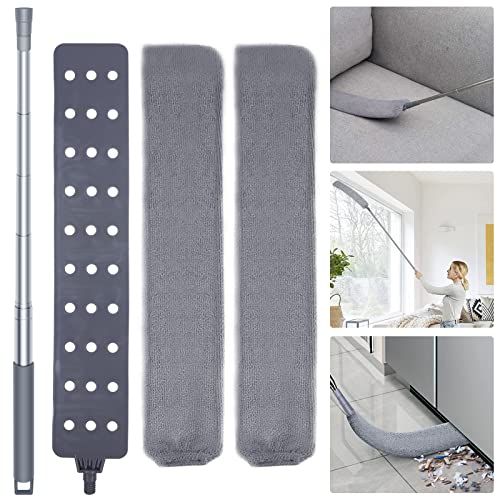
Use a combination of a long-handled cleaning tool, a slim vacuum attachment, and a flexible duster to reach behind the radiator. Start with light dusting to avoid mixing dust into the air, then vacuum crevices for stubborn debris. For tight gaps, use a retractable microfiber duster or an extendable wand with a brush attachment. Always turn off the heating system before cleaning behind radiators.
What You’ll Need
- Extendable dusting wand radiator cleaning
- Radiator cleaning brush long handle
- Slim vacuum crevice tool radiator behind
- Flexible radiator vent cleaning brush
- Retractable microfiber duster behind radiators


Before You Start
Before cleaning, ensure the heating is off and radiators are cool to the touch. Clear the area around the radiator to provide space for movement. Protect floors with a drop cloth or old sheet. Wear a dust mask if sensitivity to dust is a concern. Time estimate: 15–30 minutes for a single radiator, longer for multiple units. Safety note: never use water directly on electric radiators unless the manufacturer allows it, and avoid any tools that could bend or damage fins.
Step-By-Step: How To Clean Behind Radiators
- Identify the best access point and lay out tools within easy reach.
- Attach the extendable dusting wand or long-handle brush for initial dusting from the top or side edges.
- Gently sweep along the back area to lift loose dust without forcing debris deeper into crevices.
- Use the slim vacuum crevice tool to suction out dust from narrow gaps and behind fins.
- Switch to the flexible radiator vent cleaning brush to dislodge stubborn dust in hard-to-reach corners.
- Operate the retractable microfiber duster behind radiators to capture fine dust and particles.
- Vacuum again with the crevice tool to remove any newly freed dust and debris.
- Inspect for remaining buildup and repeat targeted passes as needed.
- Wipe exposed surfaces of the radiator with a dry microfiber cloth after dusting to avoid streaks.
- Return furniture to its place and dispose of collected dust in a sealed container.
- Turn the heating system back on and observe that airflow remains unobstructed.
- Schedule routine cleanings every 1–3 months depending on dust levels and pet presence.
Troubleshooting
| Symptom | Likely Cause | Fix | Prevention |
|---|---|---|---|
| Dust puffing back into the room | Insufficient suction or blocked tool | Check tool ends and replace or clean filters | Use fresh dusting tools and clear airflow paths |
| Visible residue on radiator or walls | Moisture from cleaning or over-wetting | Switch to a dry microfiber cloth for final wipe | Avoid wet cleaning unless permitted by manufacturer |
| Noise or tool snagging on fins | Rough handling or improper tool fit | Work slowly, align tools with gaps | Choose tools designed for radiator gaps |
| Radiator feels unusually warm after cleaning | Airflow disruption or obstruction | Recheck clearance around the unit and rest tools aside | Maintain clear space around the radiator |
Common Mistakes
- Using aggressive force that bends fins or damages coatings
- Wetting tools when the radiator is not designed for moisture
- Forgetting to turn off the heater and allow the unit to cool first
- Neglecting to clean the space around the sides of the radiator, not just behind
Tips For Best Results
- Work from the top down to prevent settled dust from falling onto freshly cleaned areas.
- Combine tools to maximize reach—start with long-handled options, then switch to precision tools for tight gaps.
- Use anti-static microfiber fabrics to attract dust rather than spreading it.
- Schedule regular cleanings in seasons with high dust or pet shedding.
- Store tools in a designated bin near the cleaning area for convenience.
Call A Professional
Consider contacting a professional if the radiator fins are bent, if there is visible mold behind the unit, or if the radiator is part of a complex HVAC system with restricted access. Seek expert help when cleaning behind radiators could compromise a warranty or involve electrical components beyond standard maintenance.
FAQ
Can I use water to clean behind a radiator?
Only if the radiator manufacturer allows moisture and you can avoid drips into electrical components.
How often should I clean behind radiators?
Schedule routine cleanings every 1–3 months depending on dust levels, occupancy, and pets.
What tools work best for tight gaps?
A slim vacuum crevice tool and a flexible radiator vent cleaning brush are most effective.
Will cleaning behind radiators improve heating efficiency?
Yes, removing dust can improve airflow and overall heating performance in many cases.
Buying Guide
When choosing tools for behind-radiator cleaning, consider size, reach, and compatibility with typical US radiator designs. Look for extendable wands with comfortable grips and lightweight construction for easy maneuvering. Noise level matters for apartment dwellers, so select handheld tools with silent or low-noise operation. Energy efficiency is less about tools and more about reducing dust buildup that can hamper heat transfer, so regular cleaning supports efficient operation.
Key buying factors include:
- Size and reach: Choose extendable or long-handled tools to reach behind without moving furniture.
- Tool variety: A set that includes a slim vacuum crevice tool, a flexible brush, and a microfiber duster provides versatile options.
- Materials and build: Durable plastics and comfortable grips reduce fatigue during use.
- Compatibility with surfaces: Ensure tools are safe for painted or metal radiator surfaces.
- Storage: Compact, easy-to-store sets help maintain readiness for quick cleanups.
Consider pairing a compact vacuum attachment with a long-extendable wand for best results in most homes. If space is limited, prioritize a retractable microfiber duster and a slim crevice tool for efficient cleaning in tight areas.