Bedside commodes are essential for convenient in-room toileting, especially for limited mobility or recovery periods. Regular cleaning helps prevent odors, infection risk, and slippery buildup. This guide provides a practical, step-by-step approach using common bathroom cleaning tools and trusted supplies.
The following sections outline a thorough cleaning routine, from prep to maintenance, with safety considerations and pro tips to keep the commode hygienic and ready for use.
Quick Answer
Rinse, disinfect, scrub, and dry the commode after each use, then replace liners and rinse the pail as needed. Use a toilet brush for the bowl, a disposable glove layer for protection, and a commode-specific cleaner to ensure effective disinfection without damaging surfaces.
What You’ll Need
- Long-handled toilet brush with curved head for commode
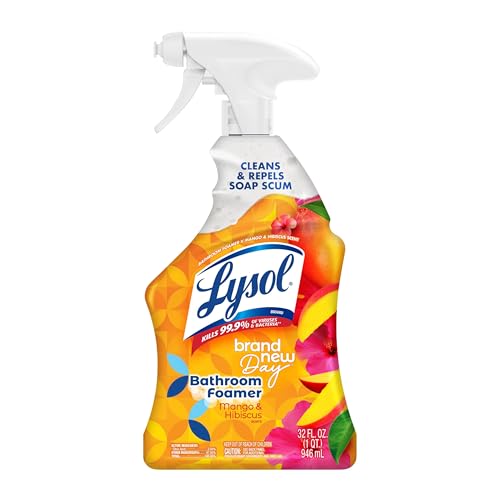
- Commode cleaning spray disinfectant bathroom cleaner 32 oz
- Removable commode pail cleaning bag liners
- Durable powder-free medical grade disposable gloves for cleaning
- Toilet bowl cleaning tablets for portable commode


Before You Start
Prepare a clean work area and wear powder-free medical grade disposable gloves to reduce skin contact with waste and cleaning solutions. Empty any solid waste into the toilet if possible, then remove the liner and seal it in a trash bag. Do not mix cleaners that could release harmful fumes. Allow the commode to air dry after cleaning and ensure the area is well-ventilated.
Time estimate: 10–15 minutes per cleaning session. For shared spaces or frequent use, consider a daily quick wipe plus a thorough weekly scrub.
Step-By-Step: How To Clean A Bedside Commode
- Put on disposable gloves and remove the used liner from the commode pail.
- Rinse the pail with warm water to remove residue, then wipe the interior with commode cleaning spray disinfectant.
- Scrub the interior and the rim with the long-handled toilet brush with curved head to reach corners.
- Place a fresh removable commode pail cleaning bag liner inside the pail to prevent sticking and simplify future cleanup.
- For the bowl surface and exterior, spray the cleaner on all areas, then wipe with a clean cloth or paper towel. Use the brush for stubborn spots.
- Drop in toilet bowl cleaning tablets for portable commode according to product instructions to help keep the bowl fresh between cleanings.
- Rinse the interior again with water to remove any chemical residue, then wipe dry with a clean towel.
- Disinfect the exterior surfaces of the commode, including the lid and base, with a fresh spray and allow to air dry.
- Dispose of gloves properly, seal the liner, and store cleaning products out of reach of children and pets.
- Perform a quick post-clean inspection: ensure there are no spills, smells, or surfaces that remain slippery.
- Record the date of cleaning and note any maintenance needs if the unit shows wear or leaks.
Troubleshooting
| Symptom | Likely Cause | Fix | Prevention |
|---|---|---|---|
| Persistent odor | Residual waste residue | Thorough rinse and reapply cleaner; consider extra tablet usage | Regular daily wipe-down after use |
| Streaky surfaces | Water spots or residue | Rinse with clean water, dry with microfiber cloth | Wipe dry after each cleaning |
| Rusted or stained interior | Harsh cleaners or prolonged moisture | Use gentler cleaner as recommended and dry completely | Prompt cleaning after use |
| Leaks from pail | Damaged liner or cracked bucket | Replace liner and inspect bucket for damage | Inspect equipment regularly and replace worn parts |
Common Mistakes
- Using harsh solvents that damage plastic parts
- Skipping gloves or rinsing surfaces incompletely
- Leaving cleaners on surfaces too long without rinsing
- Neglecting to replace liners after each use
Tips For Best Results
- Keep a dedicated cleaning kit near the bedside commode for quick access
- Use a color-coded cloth system to avoid cross-contamination between surfaces
- Pre-fill a spray bottle with a mild disinfectant for faster cleaning sessions
- Routinely inspect the pail and liner system for signs of wear or leaks
- Store cleaning supplies out of reach of children while keeping them within easy reach for caregivers
Call A Professional
Seek professional assistance if there is persistent leakage, persistent bad odors despite cleaning, or damage to the commode’s structural components. If someone experiences skin irritation or allergies from cleaning products, consult a healthcare professional for safer alternatives or adjustments to the cleaning routine.
FAQ
How often should I clean the bedside commode?
Clean it after each use and perform a more thorough weekly scrub, including replacing liners and tablets as needed.
Can I use regular toilet cleaner on a bedside commode?
Yes, but choose products labeled as safe for plastic surfaces and follow the manufacturer’s instructions to avoid damage.
What if the pail liner leaks?
Replace the liner immediately and inspect the pail for cracks or damage; discontinue use if the risk remains high.
Is it safe to use bleach around a commode?
Bleach can be used in dilute form on some plastics, but always check the product’s label and ensure good ventilation and glove protection.
Should I disinfect the exterior while cleaning the interior?
Yes, disinfecting the exterior helps reduce cross-contamination and odor from spills.
What role do cleaning tablets play in a portable commode?
Tabs help maintain ongoing freshness and reduce mineral buildup in the bowl between deep cleanings.
Buying Guide
Key buying factors for bedside commode maintenance include size and capacity, noise level during use, energy efficiency of any built-in features, control options for ease of use, and placement considerations in a room. When choosing cleaning supplies, consider compatibility with plastic surfaces, fragrance preferences, and the frequency of use. For caregivers, choosing a long-handled brush with an angled head can reduce reaching strain, while disposable gloves provide essential barrier protection. If space is limited, look for compact liners and a pail with secure locking lids to minimize spills and odors. Compare products on how effectively they clean, how fast they dry, and how easy they are to replace or dispose of after use. Above all, prioritize safety, ease of use, and maintenance simplicity to keep bedside commodes clean, hygienic, and ready for daily needs.