Keeping a clean bathtub is essential for a healthy bathroom. This guide explains practical steps to remove soap scum, mildew, and grime without damaging surfaces. The methods below leverage common cleaning tools and can be adapted for different tub materials.
Quick Answer
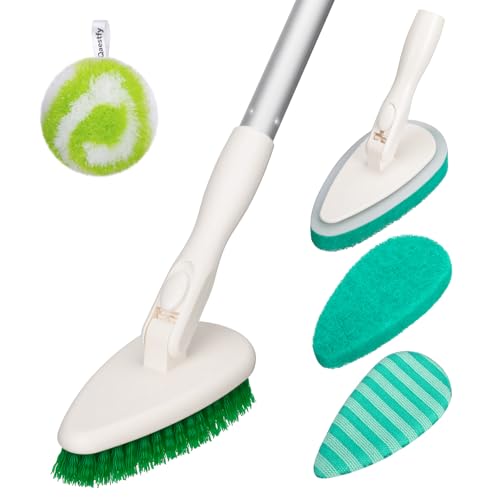
Quick method: Dampen the tub, apply a gentle cleaner, scrub with a non scratch bathtub scrub brush or extendable handle bathtub scrub brush, rinse thoroughly, and dry with a microfiber bathroom cleaning mitt to prevent water spots.
What You’ll Need
- Extendable handle bathtub scrub brush
- Non-scratch bathtub scrub brush
- Grout cleaning brush for tub
- Microfiber bathroom cleaning mitt
- Bathroom cleaning kit tub

Before You Start
Check the tub surface for chips or glaze wear. Use a cleaner labeled for your tub material (porcelain, fiberglass, acrylic). Ventilate the bathroom and wear gloves to protect skin. For time management, set aside 15 to 30 minutes depending on buildup. Avoid abrasive cleaners and steel wool on delicate surfaces to prevent scratches.
Step-By-Step: How To Clean A Bathtub
- Remove any personal items and rinse the tub to loosen loose debris.
- Apply a mild, non abrasive cleaner or baking soda paste to the surfaces with a spray bottle or sponge.
- Let the cleaner sit for 5 to 10 minutes to break down soap scum, then use the non scratch bathtub scrub brush to scrub the walls and corners.
- For grout lines, use the grout cleaning brush for tub and scrub along the joints to remove mildew and stains.
- Rinse from the top down with warm water, ensuring all cleaner residue is flushed away.
- Dry with a microfiber bathroom cleaning mitt or a clean towel to prevent water spots and mold growth.
- For tough stains, repeat the application and consider a paste of baking soda and hydrogen peroxide, testing a small area first.
- Finish with a light rinse and a spray of a mild disinfectant if desired, followed by another rinse and dry.
Troubleshooting
| Symptom | Likely Cause | Fix | Prevention |
|---|---|---|---|
| Soap scum persists | Insufficient contact time | Extend dwell time and re scrub | Regular cleaning schedule |
| Streaks after drying | Hard water minerals | Wipe with vinegar solution, then rinse | Dry after each use |
| Discoloration in grout | Mildew buildup | Use grout cleaning brush with mildew remover | Improve ventilation |
| Scratches on tub surface | Abrasive products | Switch to non abrasive cleaners | Avoid harsh pads |
Common Mistakes
- Using abrasive pads or powders on delicate tubs
- Applying cleaners directly to grout without rinsing
- Neglecting to dry the tub after cleaning
Avoid common missteps by following a gentle approach and keeping surfaces dry between cleanings.
Tips For Best Results
- Schedule a weekly quick clean to prevent heavy buildup
- Keep a dedicated microfiber mitt for tub use to avoid cross contamination
- Test cleaners in a small area before full application
- Use warm water rather than hot water to expand grime without stressing surfaces
Call A Professional
Contact a pro if you notice deep tile or grout damage, persistent mold not responding to cleaning, or if staining continues after repeated treatments. Seek help for tub refinishing or sealant replacement when needed.
FAQ
What is the best cleaner for a fiberglass tub?
Choose a non abrasive, fernished cleaner labeled for fiberglass to avoid dulling the surface.
Can I use vinegar on marble or natural stone tubs?
Avoid vinegar on natural stone as it can etch the surface; use stone safe cleaners instead.
How often should I deep clean the tub grout?
Deep cleaning grout every 1 to 3 months depending on usage helps prevent mildew buildup.
What tools help prevent scratches during cleaning?
Non scratch brushes and microfiber mitts protect tub surfaces while cleaning.
Buying Guide
When selecting cleaning tools for a tub, consider size, material, and ease of use. Think about noise level and storage space for a comfortable fit in a typical American bathroom.
- <bSize and reach: Extendable handles help reach corners without bending or kneeling.
- <bBrush material: Non scratch fibers protect surfaces and resist wear.
- <bGrout tools: A dedicated grout cleaning brush helps target joints effectively.
- <bMitt and kit: A microfiber mitt and a complete cleaning kit can simplify routine cleaning.
- <bCompatibility: Ensure tools work with your tub type (fiberglass, acrylic, porcelain).
For a balanced setup, choose a kit that includes a scrub brush, grout brush, microfiber mitt, and a simple cleaner. Consider a long handled option for comfortable, low effort cleaning and better reach in the tub area.