Maintaining a clean bathroom floor is essential for hygiene and a fresh bathroom feel. This guide provides practical, step-by-step methods using common tools to tackle tile floors, grout, and hard-to-reach corners. It draws on widely available products like microfiber mops, steam mops, and scrubbing brushes to help American households achieve a spotless, streak-free floor.
Readers will find actionable tips for choosing the right tools, preparing the space, and avoiding common pitfalls that can lead to harm or ineffective cleaning. The approach emphasizes safety, efficiency, and results that stay cleaner longer between deep cleans.
Quick Answer
Best overall method: Start with a microfiber mop for routine cleaning, switch to a steam mop for deeply dirty tile floors, and use a stiff-bristle tile floor scrub brush for grout lines. Finish with a bathroom floor squeegee to remove excess water and prevent streaks.
What You’ll Need
- Microfiber mop for bathroom floor tiles
- Steam mop for bathroom tile floors
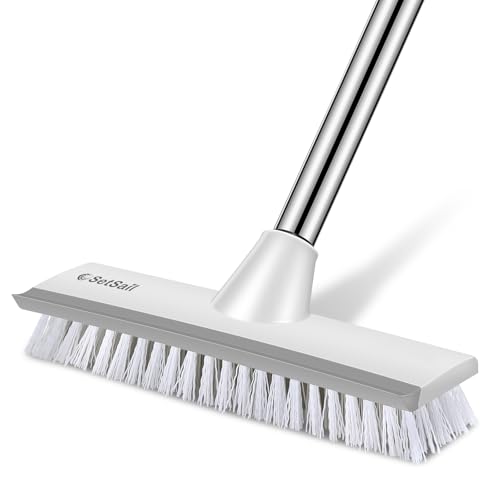
- Tile floor scrub brush with stiff bristles
- Extendable handle grout cleaning brush for bathroom
- Bathroom floor squeegee for tile and shower area


Before You Start
Confirm the floor type and sealant before applying cleaners. Test any cleaner in a small, inconspicuous area first to avoid discoloration. Dry the floor after cleaning to prevent slips. Schedule cleaning when the bathroom is dry and free of people to minimize accidents. Never mix bleach with ammonia or acidic cleaners, as this can produce dangerous fumes.
Time estimate: 20–40 minutes for a typical bathroom, depending on floor size and grout condition. If grout is especially dirty, plan for extra time and a more thorough scrub.
Step-By-Step: How To Clean A Bathroom Floor
- Clear the area Remove rugs, containers, and trash, and sweep or vacuum loose debris from the floor.
- Dry-mop initial pass Use a dry microfiber mop to lift dust and hair from the tile surface, focusing on corners and along walls.
- Mop with a neutral cleaner Prepare a mild cleaning solution suitable for tile. Mop the entire floor, starting from the far corner and working toward the door to avoid stepping on cleaned areas.
- Target grout lines Apply a concentrated cleaner to grout lines and let it sit for a few minutes. Use the tile floor scrub brush with stiff bristles to scrub grout without scratching tiles.
- Steam for deeply dirty areas If using a steam mop for bathroom tile floors, glide it over the surface to sanitize and loosen grime without excessive wetness. Avoid leaving water pooling on grout.
- Rinse and remove residue If your cleaner requires rinsing, wipe the floor with a clean damp microfiber mop to remove any soap residue.
- Dry the floor Use the bathroom floor squeegee for tile and shower area to push water toward a drain or towel-dry remaining spots to prevent slippery zones.
- Inspect and re-clean if needed Check for missed spots or stubborn grout stains and repeat targeted cleaning as necessary.
Troubleshooting
| Symptom | Likely Cause | Fix | Prevention |
|---|---|---|---|
| Streaks after cleaning | Residue from cleaner | Rinse with clean water and re-mop | Use the correct dilution and avoid over-soaping |
| Grout turning gray | Soap buildup or mildew | Apply a grout cleaner and scrub; consider steam for deeper sanitation | Clean grout regularly to prevent buildup |
| Soggy or slippery tiles | Excess water trapped in grout | Dry with squeegee or towels; reduce water use | Wipe up water after mopping |
| Tiles scratched after brushing | Aggressive bristles | Switch to softer brush settings or lower bristle intensity | Test on a small area first |
Common Mistakes
-
Using overly aggressive brushes on delicate tile surfaces
-
Over-wetting grout, which can promote mold growth
-
Ignoring grout lines during routine cleaning
-
Skipping a rinse when cleaners leave residue
Tips For Best Results
-
Schedule regular, light cleanings to keep grout from becoming heavily stained.
-
Alternate between microfiber mops and steam cleaning for efficiency and sanitation.
-
Use a microfiber cloth on edges and corners for perfection in hard-to-reach spots.
-
Choose a steam mop with adjustable heat settings appropriate for ceramic and porcelain tiles.
Call A Professional
Consider professional help if grout damage is extensive, if there are persistent mold concerns, or if you plan a complete bathroom remodel. Signs to call a pro include severe tile chipping, persistent odors, or if cleaning reveals underlying water damage or structural issues.
FAQ
What cleaner should I use on glazed ceramic tile?
Use a mild, pH-neutral cleaner to avoid dulling the glaze and to protect grout.
Can I use a steam mop on natural stone tiles?
Steam mops are not recommended for most natural stones; they can etch or damage stone surfaces. Use a stone-safe cleaner instead.
How often should I scrub grout?
For high-traffic bathrooms, deep-clean grout every 3–6 months, with routine light cleaning weekly.
Is it okay to mix towels with mops for cleaning?
Yes, but keep towels separate for drying and ensure they are clean to prevent spreading dirt.
Buying Guide
When choosing tools to clean a bathroom floor, consider size, noise, and ease of use. A microfiber mop for bathroom floor tiles excels at quick, streak-free cleaning and is gentle on grout. A steam mop for bathroom tile floors provides deep sanitation but may require caution on certain tile types. A tile floor scrub brush with stiff bristles is essential for stubborn grout stains, while an extendable handle grout cleaning brush for bathroom helps reach corners without bending. Finally, a bathroom floor squeegee for tile and shower area speeds drying and reduces water spots. Consider the bathroom’s layout, traffic level, and preferred maintenance rhythm when comparing models. For most households, a balanced setup combining microfiber mopping and targeted grout tools offers the best mix of convenience and effectiveness.
Size matters: larger heads cover more surface area but may be harder to maneuver in small bathrooms. Noise level can affect daily routines, especially in multi-resident homes or early morning cleaning. Energy efficiency is less about the tools themselves and more about opting for powered devices with efficient settings and minimal heat usage. Controls should be intuitive, with easy reach of water fill points and steam settings. Placement considerations include storing tools in a reachable cabinet near the bathroom without cluttering the doorway. Friendly questions to ask: Do I prioritize speed, sanitation, or grout restoration? How much space do I have to store tools? How often will I clean, and do I need a steam option for deep cleans?