Bamboo steamers are cherished for their even steaming and natural flavor preservation. Regular cleaning helps prevent flavor transfer, mold, and odors that can affect future meals. This guide outlines practical, step-by-step methods to clean a bamboo steamer safely and effectively for American kitchens.
Quick Answer
After each use, rinse the steamer to remove loose food, simmer with a little water to loosen residue, then scrub with a dedicated bamboo steamer cleaning brush or scrub set. Avoid soaking the whole unit for long periods; air-dry with the lids ajar. For stubborn stains, use a natural bristle bamboo steamer cleaning brush with mild soap, then rinse thoroughly and dry completely.
What You’ll Need
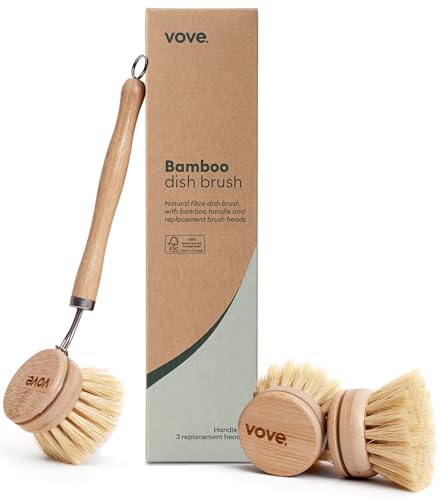
- bamboo steamer cleaning brush
- bamboo steamer scrub brush set
- bamboo steamer rack cleaning cloth
- natural bristle bamboo steamer cleaning brush
- steam basket bamboo steamer care kit


Before You Start
Prepare a clean workspace and rinse all parts under warm running water. Avoid soaking wooden components for extended periods, which can cause swelling or warping. Allow the steamer to air-dry completely before stacking or storing. Time investment varies by condition, typically 15–30 minutes for routine cleaning and up to 1 hour for heavy residue removal.
Step-By-Step: How To Clean A Bamboo Steamer
- Disassemble the steamer carefully, separating the baskets, rack, and lid if possible.
- Rinse each piece under warm water to remove loose food particles.
- Fill a sink or basin with warm water and a small amount of mild dish soap.
- Use a bamboo steamer cleaning brush or bamboo steamer scrub brush set to scrub all surfaces, focusing on crevices where starch or food can cling.
- For stubborn stains, scrub with a natural bristle bamboo steamer cleaning brush and a paste of baking soda and water. Let it sit for a few minutes, then scrub again.
- Rinse thoroughly to remove all soap residue. Soap left on bamboo can degrade over time and affect flavors.
- Dry each piece completely with a clean cloth or allow to air-dry. Place the pieces on a rack with lids slightly ajar to promote airflow.
- Inspect the bamboo for any cracking or warping. If present, set aside for separate care or consult maintenance tips from the kit.
- Reassemble and store in a dry, well-ventilated area away from direct sunlight to prevent dryness or discoloration.
Troubleshooting
| Symptom | Likely Cause | Fix | Prevention |
|---|---|---|---|
| Residual odor after cleaning | Food oils or spices trapped in seams | Repeat cleaning with warm water and mild soap; consider a baking soda paste on stubborn spots | Clean promptly after use; dry thoroughly |
| Stains that won’t lift | Deep-set residue or tannins | Apply baking soda paste and scrub with natural bristle brush | Rinse immediately after steaming next time |
| Warping or cracking | Excess soaking or prolonged moisture | Limit soaking; dry completely between uses | Store away from humidity and heat |
| Persistent scum in crevices | Old residue buildup | Disassemble and scrub seams with a brush; re-clean | Regular maintenance after each use |
Common Mistakes
- Over-soaking bamboo components, which can cause swelling
- Using harsh chemical cleaners that leave residues and odors
- Storing damp steamer parts together, promoting mold growth
- Skipping thorough drying, leading to musty smells
Tips For Best Results
- Adopt a routine with the bamboo steamer cleaning brush or bamboo steamer scrub brush set after each use to prevent buildup.
- For best odor control, rinse with warm water immediately after steaming and dry in a well-ventilated area.
- Keep a dedicated bamboo steamer rack cleaning cloth for quick wipe-downs and to avoid cross-contamination with other kitchen tools.
- Store each piece fully dry to maintain bamboo’s natural integrity and longevity.
Call A Professional
Consult a professional if the bamboo steamer shows severe warping, splitting, or persistent mold that does not respond to cleaning. If the steamer develops a strong odor despite regular maintenance, or if any part becomes unsafe to use, seek expert advice or consider replacement components from a trusted care kit.
FAQ
Can I soak a bamboo steamer in water?
Avoid prolonged soaking; brief rinses are fine, but extended soaking can cause swelling and damage.
What should I do if there’s mold on bamboo?
Gently scrub with a baking soda paste and rinse thoroughly; ensure complete drying and consider replacing severely affected parts.
Are there cleaners I should avoid?
Harsh chemical cleaners and bleach should be avoided as they can leave residues and harm flavor.
How often should I clean a bamboo steamer?
Clean it after every use for best results, with a deeper clean weekly if used frequently.
Buying Guide
Choosing the right bamboo steamer involves considering size, stacking capacity, and material quality. Look for a steamer with evenly spaced baskets and a sturdy rack that supports repeated use in standard American kitchens. Consider the following factors to compare options:
- Size and capacity: Select a steamer with enough tiers to handle typical family meals or batch cooking.
- Material quality: Real bamboo with tight-grain construction resists warping and absorbs flavors less readily.
- Ventilation and lids: Well-fitting lids and vented baskets ensure consistent steam flow.
- Care kit availability: Some products include a cleaning kit or brushes designed for bamboo care, which can simplify maintenance.
- Storage and nesting design: Stacked components should nest neatly to save cabinet space.
- Ease of cleaning: Curved seams and accessible surfaces reduce buildup and simplify maintenance.
- Safety and compatibility: Ensure the steamer fits your standard stovetop or the specific setup you use (gas, electric, induction adapters).
To summarize, a well-chosen bamboo steamer paired with proper cleaning tools—such as the bamboo steamer cleaning brush family, scrub sets, and a dedicated cleaning cloth—helps maintain longevity and flavor integrity. Ready to compare models? Consider practical tests like airflow, ease of disassembly, and the availability of a care kit when evaluating options.