Cleaning baking pans is a common kitchen task that, when done correctly, extends the life of bakeware and keeps foods tasting fresh. This guide outlines practical steps using common cleaners and tools while protecting pans from scratches and dulling. Follow these methods to remove stubborn grease, burnt-on residue, and stains without damaging coatings.
Quick Answer
For quick, effective results: rinse pans after use, apply a gentle bakeware cleaner or a mild abrasive like powder designed for bakeware, scrub with a non-abrasive sponge or brush that reaches corners, and rinse thoroughly. For tough buildup, re-soak briefly and repeat with a sponge or microfiber pad that’s safe for dishwashers.
What You’ll Need
- non-abrasive sponge for bakeware cleaning
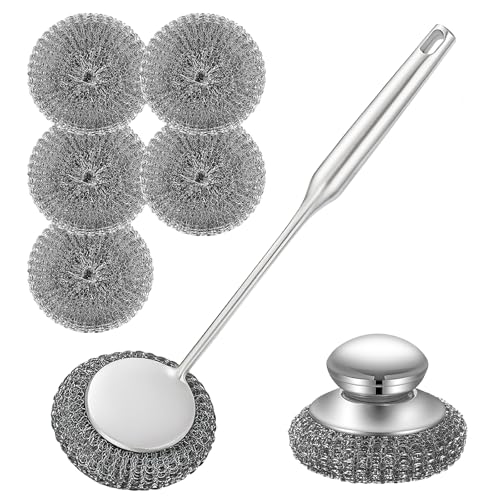
- stainless steel pan scrub brush with long handle
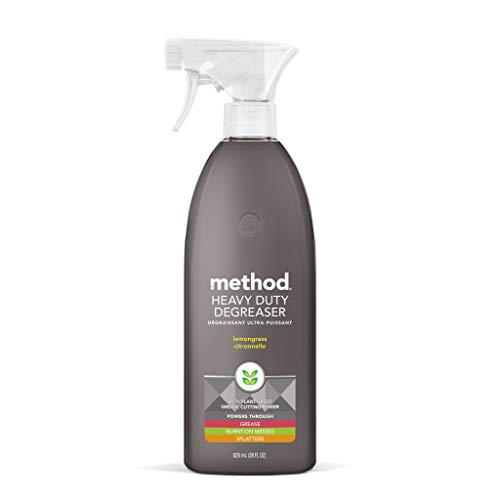
- bakeware cleaner spray degreaser for ovens and pans
- dishwasher-safe bakeware scrub pad microfiber
- bar keepers friend powder for bakeware cleaning

Before You Start
Prepare a clean workspace and gather the tools listed above. Soak pans with stubborn residues in warm, soapy water for 15–30 minutes before scrubbing. Always protect hands with gloves if using harsher cleaners. Avoid using steel wool on nonstick surfaces as it can scratch coatings, and never mix cleaners unless the product instructions permit it. Plan for a total cleaning window of 20–60 minutes depending on buildup.
Step-By-Step: How To Clean Baking Pans
- Rinse the pan to remove loose crumbs and cool any hot spots safely.
- Fill a sink or basin with warm water and a few drops of dish soap; submerge the pan.
- Apply a light coating of bakeware cleaner spray degreaser for ovens and pans on greasy areas.
- Let the cleaner sit for 5–10 minutes to loosen burnt-on residue.
- Gently scrub with a non-abrasive sponge for bakeware cleaning, focusing on edges and corners.
- Use a stainless steel pan scrub brush with long handle for heavier buildup on metal pans, avoiding delicate nonstick coatings.
- For stubborn spots, sprinkle bar keepers friend powder directly on a damp sponge and gently rub the area.
- Rinse thoroughly with warm water, ensuring all cleaner residues are removed.
- Dry with a soft towel to prevent water spots and oxidation on exposed metal.
- If stains persist, repeat the soaking step or switch to a dishwasher-safe bakeware scrub pad microfiber for a final pass.
- Store pans dry and scratch-free; consider lining with parchment for future baking to minimize cleanup.
Troubleshooting
| Symptom | Likely Cause | Fix | Prevention |
|---|---|---|---|
| Grease rings or burnt edges persist | Insufficient soak time or aggressive buildup | Soak longer, re-apply cleaner, scrub with nylon brush | Soak promptly after baking and wipe down |
| Discoloration on aluminum pans | Harsh cleaners or improper drying | Rinse well; apply a gentle polish with a microfiber pad | Use mild cleaners and dry promptly |
| Scratches on nonstick coating | Scrubbing with abrasive tools | Switch to non-abrasive sponge and avoid metal brushes | Use silicone or microfiber tools |
| Stubborn rust spots | Exposure to moisture and metal reaction | Apply a light paste of baking soda and water, scrub, rinse | Completely dry after washing |
Common Mistakes
- Using metal scrubbers on nonstick finishes, which can peel coatings
- Leaving cleaners to sit too long, causing surface damage or staining
- Neglecting to dry pans fully, leading to rust or odor
- Overloading the dishwasher with bakeware not labeled as dishwasher-safe
Being mindful of these mistakes helps maintain pan performance and longevity.
Tips For Best Results
- Pre-treat heavily soiled areas with a gentle paste of baking soda and water before washing.
- For glazed or silicone-baked surfaces, test cleaners on a small area first.
- Use warm water instead of hot to avoid warping metal pans.
- Rotate cleaning tasks with routine maintenance to prevent buildup from forming.
Call A Professional
Call a professional if pans show deep pitting, severe corrosion, or coating peeling that compromise food safety. Seek expert help for antique or valuable bakeware where restoration could affect resale or function.
FAQ
Can I put bakeware in the dishwasher?
Some bakeware is dishwasher-safe, but always check manufacturer guidelines before cleaning in a dishwasher.
What is the best cleaner for burnt-on grease?
A bakeware cleaner spray degreaser or a paste with baking soda works well on burnt residue without damaging surfaces.
Are nonstick pans safe with stainless steel scrub brushes?
Nonstick pans should not be scrubbed with hard brushes; use non-abrasive sponges or microfiber pads.
How soon should I wash bakeware after use?
Rinse and wash promptly to prevent dried-on stains that are harder to remove later.
Buying Guide
When choosing tools and cleaners for cleaning baking pans, consider size, materials, and cleaning power. Key factors include:
- Size and compatibility: Ensure tools fit your bakeware range, from muffin tins to large sheet pans.
- Material compatibility: Use non-abrasive sponges for nonstick coatings; avoid metal tools that can scratch metal finishes.
- Noise level: For quiet kitchens, microfiber pads and soft brushes minimize noise during scrubbing.
- Energy and water use: Efficient cleaners and soak methods reduce water and energy consumption.
- Controls and packaging: Look for spray degreasers that offer accurate application and clear instructions.
- Placement and storage: Keep cleaners in a dry cabinet away from heat to preserve effectiveness; store brushes near your sink for easy access.
Consider a basic setup that includes a gentle non-abrasive sponge, a long-handle brush for larger pans, a reliable spray cleaner, a microfiber scrub pad, and a safe powder cleaner for stubborn stains. For many households, this combination covers everyday cleaning and occasional deep-cleaning needs without risking damage to bakeware.