Bagless vacuums are popular for their no-fuss maintenance and visible dust bins. Regular cleaning prevents loss of suction, protects filters, and extends the life of the appliance. This guide walks American users through a practical, step-by-step process to keep a bagless vacuum running like new.
Quick Answer
To clean a bagless vacuum effectively, empty the dust bin, rinse or replace the filter, wipe the interior canister, and ensure hoses and attachments are clear of debris. Use a crevice tool to remove dust from tight spots and a dustbin cleaning brush to speed up the process. Inspect the cyclone separator and replace if needed.
What You’ll Need
- Replacement HEPA filter for bagless vacuum cleaner
- Dustbin cleaning brush for bagless vacuum
- Crevice tool attachment for bagless vacuum cleaner
- Vacuum hose wand extension for bagless vacuum
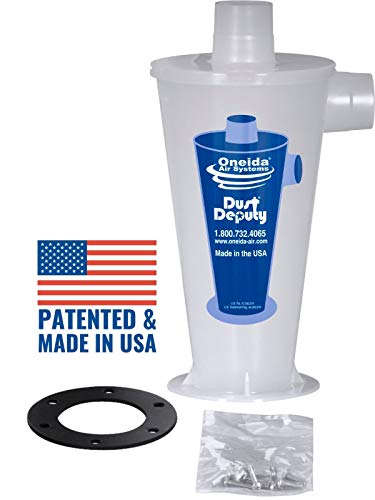
- Cyclone separator filter kit for bagless vacuum


Before You Start
Prepare a clean workstation and have the vacuum unplugged before any disassembly. Gather tools and a trash bag or bin for debris. Read the user manual for specific model instructions and filter replacement guidelines, as procedures vary by brand. Plan for 20–40 minutes, depending on how full the bin is and whether filters need replacement.
Safety notes: avoid touching sharp edges inside the dirt bin, and never run water through electrical components. If a cord is frayed or the motor overheats frequently, discontinue use and consult a professional.
Step-By-Step: How To Clean A Bagless Vacuum
- Power down and unplug the unit, then detach the hose and accessories to access the main body.
- Empty the dust bin into a trash can. Tap or gently shake to remove compacted debris without forcing clogs deeper into the unit.
- Inspect the cyclone separator for lint and hair. Use the dustbin cleaning brush to dislodge buildup from the cyclone gaps, which helps maintain airflow.
- Rinse or replace the filter according to your model’s guidelines. If the replacement HEPA filter for bagless vacuum cleaner is recommended, install it after drying. Do not leave the filter wet.
- Wipe the canister interior with a damp cloth, avoiding the motor housing and any electrical components. Let it dry completely before reassembly.
- Clean the attachments and wand: rinse the crevice tool attachment for bagless vacuum cleaner if it’s washable, and wipe the wand with a damp cloth. Ensure there are no blockages inside the wand or nozzle.
- Check the hose for obstructions. Detach and run a long object or a flexible brush through to clear hair or threads. Reattach once clean.
- Reassemble and test. Turn on the unit and run it on a hard surface to confirm even suction and no unusual sounds.
- Schedule routine maintenance every 1–3 months based on use, replacing the cyclone separator filter kit for bagless vacuum as needed to sustain peak performance.
- Store attachments properly in a dedicated bag or bin to prevent loss and keep components ready for the next cleaning cycle.
Troubleshooting
| Symptom | Likely Cause | Fix | Prevention |
|---|---|---|---|
| Loss of suction | Clogged bin, filter, or hose | Clean or replace parts; reassemble | Regular maintenance schedule; avoid letting debris accumulate |
| Strange odor | Mold or trapped debris in canister | Clean interior and wash removable parts; dry completely | Empty bin promptly and wash after wet spills |
| Overheating motor | Blocked air pathways | Clear all obstructions and check filter | Frequent, gentle cleaning; avoid overfilling |
| Loose or rattling noises | Debris in brush roll or attachments | Remove debris from brush area; check accessories | Inspect after heavy use or pets |
| Reduced filtration efficiency | Dirty HEPA or cyclone filters | Replace with the appropriate replacement HEPA filter and cyclone kit | Follow replacement schedule in manual |
Common Mistakes
- Using water on non-washable components or motors
- Forcing debris through the cyclone or filters when clogged
- Neglecting to dry parts before reassembly, which can cause mold
- Skipping filter replacement to save money, leading to reduced suction
Tips For Best Results
- Establish a routine—a quick clean after major vacuuming sessions keeps buildup minimal.
- Keep a spare dustbin cleaning brush for bagless vacuum handy to speed up quick cleans.
- Use the crevice tool attachment for bagless vacuum cleaner to access corners and stairs, preventing dust from recirculating.
- When replacing filters, handle them by edges to avoid transferring oils from fingers.
- Store all extensions, including the vacuum hose wand extension for bagless vacuum, in a dedicated space to prevent loss.
Call A Professional
Professional help is advisable if the vacuum still loses suction after maintenance, makes unusual noises, or emits burning smells. Disassembly beyond cleaning of the dust bin and filters may require a certified technician, especially when the motor or electrical components appear compromised.
FAQ
How often should I replace the HEPA filter?
Replacement frequency depends on usage and manufacturer guidance; check the user manual, but plan for periodic changes to maintain optimal filtration.
Can I wash the HEPA filter?
Many HEPA filters are not washable; if washable, follow the manufacturer’s instructions. Otherwise, replace as directed.
What attachments are essential for comprehensive cleaning?
At minimum, a crevice tool and a dustbin cleaning brush improve edge cleaning and debris removal.
Is it safe to use the vacuum without a filter?
No. Operating without a filter can damage the motor and circulating dust in the air. Always reassemble with a proper filter installed.
Should I clean the cyclone separator regularly?
Yes. The cyclone separator collects dust and hair; regular cleaning helps sustain suction and airflow.
What if the vacuum still smells after cleaning?
Deep clean the interior and replace the HEPA and cyclone filters if needed, since odors can indicate trapped debris or mold.
Buying Guide
When selecting replacement parts and accessories for a bagless vacuum, consider key factors that influence performance and longevity. Size and compatibility matter; ensure that the replacement HEPA filter for bagless vacuum cleaner and cyclone kit fit your exact model. Noise level is a practical concern for households with pets or children. Look for energy-efficient motors that deliver consistent suction without excessive power draw. Controls should be intuitive, with clear indicators for filter life and maintenance needs. Placement matters too—store parts in a dry area with easy access to tools and spare filters. For households with tight spaces, consider a compact dustbin cleaning brush for bagless vacuum and a flexible hose extension to reach under furniture. If pet hair is common, a robust cyclone separator kit can maintain strong airflow and prevent clogging. Compare brands based on durability, warranty, and compatibility with existing attachments, ensuring you have a complete set of essential tools for ongoing upkeep.