Baffle filters are essential for trapping grease and keeping a kitchen hood operating efficiently. Regular cleaning helps maintain airflow, reduce fire risk, and extend the life of the hood. This guide provides practical, step-by-step instructions for effectively cleaning stainless steel baffle filters using common kitchen tools and specialty products.
Quick Answer
Fast method: Remove filters, rinse with warm water, apply a degreaser spray or solvent, scrub with a dedicated cleaning brush, soak if heavily coated, rinse thoroughly, and dry completely before reinstalling.
What You’ll Need
- Stainless steel hood baffle filter cleaner brush
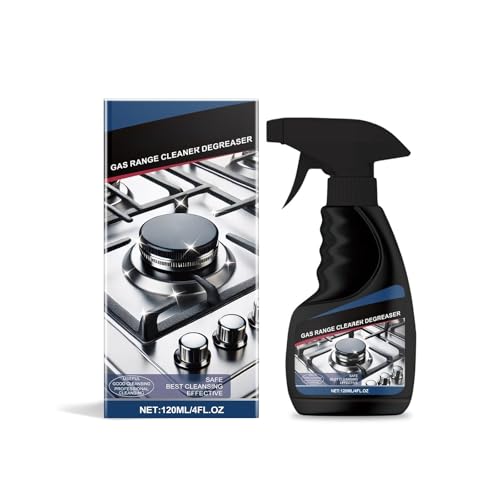
- Baffle filter degreaser spray for kitchen hood
- Hood filter cleaning kit for baffle filters stainless steel
- 12 inch baffle filter cleaning brush for range hood
- Commercial kitchen baffle filter cleaner solvent


Before You Start
Before cleaning, turn off the hood and ensure all electrical components are protected. Remove the filters carefully, supporting them to avoid bending. Soak time can vary; plan for 20–60 minutes depending on grease buildup. Wear gloves and eye protection when handling solvents or cleaners. Work in a well-ventilated area to reduce fumes and avoid mixing cleaners that could react.
Step-By-Step: How To Clean Baffle Filters
- Turn off the range hood and remove the baffle filters from the canopy, noting their orientation for reinstallation.
- Rinse each filter under warm water to loosen loose grease and debris, using a gentle spray to avoid warping the metal.
- Apply a baffle filter degreaser spray for kitchen hood or a commercial solvent according to label directions to penetrate built-up grease.
- Let the solution sit for 5–15 minutes to break down fats, especially on heavily soiled filters.
- Scrub each filter with a 12 inch baffle filter cleaning brush or the included brush from your kit, paying attention to the folds and corners.
- Rinse thoroughly with hot water until all cleaner and grease are removed. Repeat the wash if residue remains.
- For stubborn spots, reapply degreaser and scrub again, then soak the filters in a basin of hot water for an additional 10–15 minutes.
- Dry the filters completely with a lint-free towel or allow them to air dry before reinstalling to prevent corrosion.
Troubleshooting
| Symptom | Likely Cause | Fix | Prevention |
|---|---|---|---|
| Grease remains after cleaning | Insufficient soaking or scrubbing | Reapply degreaser, soak longer, scrub with a stiffer brush | Clean more frequently to prevent heavy buildup |
| Grease stains on stainless steel | Harsh cleaners or improper rinse | Switch to a stainless-friendly degreaser and rinse thoroughly | Use recommended products designed for stainless steel |
| Filters appear warped | Excessive scrubbing or heat exposure | Be gentler with brushes; avoid hot water too close to edges | Handle with care during removal and reinsertion |
| Unpleasant odor after cleaning | Residual cleaner or grease | Rinse again with hot water and ventilate during drying | Clean on a ventilated surface and follow product directions |
Common Mistakes
- Using abrasive brushes that scratch stainless steel surfaces
- Not rinsing off all cleaners, leaving residue that attracts more grease
- Over-soaking filters for too long, which can degrade seals or coatings
- Reinstalling damp filters, which encourages mold and odors
Tips For Best Results
- Schedule regular cleanings based on usage; commercial kitchens may require weekly maintenance.
- Keep a dedicated cleaning kit for filters to avoid cross-contamination with other kitchen cleaners.
- Opt for a solvent designed for commercial baffle filters if grease buildup is extreme.
- After cleaning, inspect filters for dents or warping and replace if necessary to maintain airflow.
Call A Professional
Consider professional help if filters are severely warped, rusted, or if grease has penetrated beyond the filter media. Stop and call a pro if there is any persistent odor, unusual noises from the hood, or if safety concerns arise during maintenance.
FAQ
How often should baffle filters be cleaned?
Frequency depends on usage. In high-traffic commercial kitchens, weekly cleaning is common; for residential ranges, monthly cleaning is typical.
Can I use household degreasers on stainless steel baffle filters?
Prefer products formulated for kitchen hoods and stainless steel to prevent damage or discoloration.
Should I soak filters in hot or cold water?
Hot water helps loosen grease more effectively; avoid extreme temperatures that could warp components.
Is it safe to use a pressure washer on baffle filters?
No. Pressure washers can bend or damage filters. Use hand scrubbing and soaking methods recommended by the cleaner.
What if the filters don’t fit back after cleaning?
Dry the filters completely, check for warping, and realign their orientation during reinstallation.
Are there eco-friendly options for cleaning?
Yes—look for degreasers labeled as eco-friendly or biodegradable while ensuring compatibility with stainless steel.
Can I reuse old cleaning solutions?
Most cleaners are designed for single-use application per soak or per cycle. Follow product directions for reuse or replacement.
Buying Guide
Choosing the right cleaning approach for baffle filters involves considering size, compatibility, and safety. For homeowners and small kitchens, a practical kit with a dedicated brush, non-abrasive cleaner, and a spray degreaser can handle routine buildup. In commercial settings, a robust solvent-based cleaner paired with a long-handled brush often provides faster results for heavy grease. Look for products specifically labeled for stainless steel hood filters to protect the metal finish and maximize longevity. Storage should keep cleaners upright and away from heat sources, with filters easily accessible for regular maintenance. Would you benefit from a kit that includes multiple brushes or a flexible handle for hard-to-reach areas? It’s worth evaluating whether a single, multi-purpose cleaner suffices or a dedicated degreaser is needed for tougher jobs. For placement, consider whether under-cabinet hoods or island configurations require taller brushes or longer handles to reach all surfaces.