Maintaining a clean backyard helps improve curb appeal, reduce pests, and create usable outdoor space for activities. This guide breaks down practical steps for cleaning surfaces, clearing debris, and keeping outdoor areas tidy with common tools and a few specialized attachments.
Whether you’re tidying a patio, deck, or lawn edges, following a structured approach ensures efficient results and minimizes damage to surfaces. The methods below emphasize safe use of equipment and consistent maintenance routines for long-term cleanliness.
Quick Answer
Best start: clear large debris, rinse surfaces, then focus on stubborn stains with the right attachment. For large hard surfaces, use an electric pressure washer 1800 psi for patio cleaning with a surface cleaner attachment. For leaves and lighter dust, a cordless leaf blower 20V 400 CFM helps speed up the prep. Keep a garden hose reel wall mount 100 ft handy to manage hoses and reduce trip hazards.
What You’ll Need
Gather these tools and materials before you start. They cover most backyard cleaning tasks from sweeping to deep cleaning hard surfaces.
- Electric pressure washer 1800 psi for patio cleaning — for tough grime on patios and driveways
- Pressure washer surface cleaner attachment 13 inch — for wider, even cleaning of flat surfaces
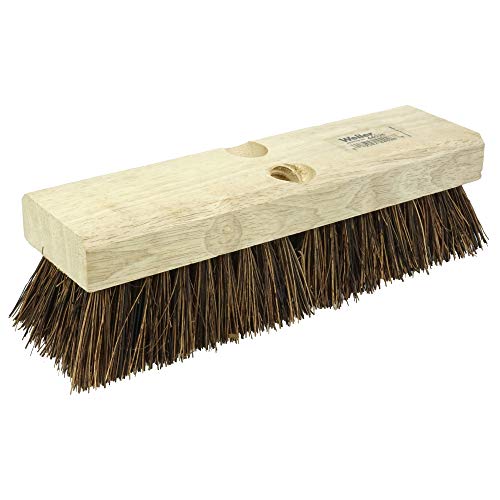
- Patio deck cleaning brush stiff bristles — for scrubbing textured surfaces
- Cordless leaf blower 20V 400 CFM — for quick debris removal
- Garden hose reel wall mount 100 ft — organizes hoses and extends reach
- Bucket and stiff scrub brushes
- Appropriate protective gear: gloves, safety glasses, closed-toe shoes


Before You Start
Prepare the area by removing furniture, planters, and fragile items. Sweep or blow loose debris before rinsing. Check surface materials for damage that could worsen with water or pressure.
Critical cautions: Do not use a pressure washer on delicate surfaces like aged wood or sealed stone without testing. Always follow the manufacturer’s guidelines for your tools, and avoid electrical outlets near wet areas to prevent shocks.
Estimate the time required: a typical backyard cleaning session can take 1–4 hours depending on area size and surface types. Plan breaks for safety and hydration.
Step-By-Step: How To Clean A Backyard
- Clear all furniture and objects from the area to be cleaned; set aside for relocation later.
- Inspect surfaces for loose boards, nails, or cracks; repair or note areas to avoid during pressure washing.
- Remove loose leaves and debris with a cordless leaf blower 20V 400 CFM, working in sections from one end to the other.
- Rinse the entire area with a garden hose to wet the surface and loosen dirt.
- Attach the pressure washer surface cleaner attachment 13 inch for broad, even cleaning of patios and wide walkways.
- Apply cleaning pressure in a steady, sweeping motion; keep the wand at a safe distance to prevent surface damage.
- Use the patio deck cleaning brush stiff bristles on stubborn stains or textured areas to scrub gently while spraying with the pressure washer.
- Rinse again to remove loosened dirt and soap residues; ensure all gaps between pavers are clear of soap buildup.
- Return furniture and items to their original spots once the surface is dry and evenly clean.
- Perform a quick final check for missed spots; repeat as needed on particularly muddy sections.
- Maintenance tip: routinely blow leaves and wash high-traffic areas to prevent grime buildup.
- Store tools properly after use; allow equipment to dry completely before long-term storage.
Troubleshooting
| Symptom | Likely Cause | Fix | Prevention |
|---|---|---|---|
| Poor cleaning power | Washer pressure reduced or nozzle clog | Check nozzle; clean or replace; inspect pump | Regular maintenance; use fresh water |
| Surface too wet after rinse | Spray angle too close; nozzle too wide | Increase distance; adjust spray pattern | Test in a small area first |
| Leaves clogging hoses | Leaves or debris in intake | Clean intake filter; clear line | Keep area organized and bunched leaves away |
| Scratches on wood or stone | Improper brush use or too high pressure | Use softer brush; reduce PSI | Test on hidden spot first |
| Over-sudsing | Wrong cleaning soap or residue | Rinse with clean water; avoid extra soap | Use manufacturer-approved cleaners |
Common Mistakes
- Using too high pressure on delicate surfaces such as aged wood or painted surfaces
- Not testing a small area before full-cleaning a surface
- Ignoring electrical safety when using power equipment near water
- Over-reliance on a single tool; neglecting basic debris removal first
Tips For Best Results
- Start with the widest cleaning tool (surface cleaner) before moving to a narrow nozzle for stubborn stains
- Keep your spray wand moving to avoid etching or uneven cleaning
- Work in shaded areas if possible to prevent rapid surface drying that leaves streaks
- Clean and dry hoses and attachments after use to extend their life
- Use the garden hose reel wall mount 100 ft to keep hoses tidy and reduce tripping hazards
Call A Professional
Consider hiring a pro if you encounter persistent staining, damaged or uneven surfaces, or if you plan to clean large or multi-surface areas beyond routine maintenance. Stop signs include visible structural damage, efflorescence on concrete, or the need for specialized cleaning agents. A professional can assess the area, recommend safe pressure levels, and provide long-lasting solutions.
FAQ
What is the best way to clean a backyard patio?
Use an electric pressure washer 1800 psi for patio cleaning with a surface cleaner attachment for even coverage and faster results.
Can I use a leaf blower to help with patio cleaning?
Yes, a cordless leaf blower 20V 400 CFM is useful for quick debris removal before washing and for dry cleanup after washing.
Do I need special equipment for hard-to-clean edges?
Yes, a stiff bristle brush and the surface cleaner attachment help reach corners and grout lines more effectively.
Is it safe to clean near plants and shrubs?
Avoid direct high-pressure spray on delicate plants; rinse from a distance and protect vegetation with a shield or by covering nearby greenery.
What maintenance steps extend cleaning tool life?
Rinse after use, clear nozzles, inspect hoses for wear, and store equipment dry and properly organized.
How long does a typical backyard cleaning take?
Time varies by area size and surface type, but most small to mid-size yards take 1–3 hours with efficient planning.
Buying Guide
When choosing tools to keep a backyard clean, consider key buying factors to ensure long-term value and performance.
- Size and power: For patios and driveways, an electric pressure washer 1800 psi offers strong cleaning without gas fumes. For larger areas, consider models with adjustable PSI and a surface cleaner attachment.
- Noise level: Electric models tend to be quieter than gas-powered units, making them friendlier for residential neighborhoods.
- Energy efficiency: Look for PSI efficiency and flow rate ratings that balance cleaning power with water and energy use.
- Controls and safety features: Easy start/stop, variable spray tips, and automatic shutoff features reduce risk and improve results.
- Placement and storage: A sturdy hose reel wall mount (such as a 100 ft option) helps keep cords and hoses organized, reducing clutter and tripping hazards.
- Attachments: A 13-inch surface cleaner, stiff bristle brushes, and a lightweight scrubbing brush expand cleaning capabilities for various surfaces.
- Maintenance: Choose equipment with readily available parts and easy filter/nozzle maintenance to maximize lifespan.
- Versatility: Systems that support both water-based cleaning and light washing of outdoor furniture extend usefulness across seasons.
Thinking through how you clean different backyard surfaces helps tailor the selection. Do you tackle pavers, wooden decks, or concrete sidewalks? A combination of a powerful yet manageable pressure washer, effective attachments, and organized hoses makes routine cleaning faster and safer.