Backpack straps endure daily wear, sweat, and outdoor grime. Regular cleaning helps extend their life and keeps your pack comfortable to wear. This guide explains a practical, rule-by-rule method to refresh nylon and fabric straps using common tools and safe cleaners.
Quick Answer
Clean regularly with a soft brush and mild soap. Spot-treat stubborn stains, rinse thoroughly, and air-dry completely before reuse. For tough grime, a dedicated cleaning kit can simplify the process and protect strap materials.
What You’ll Need
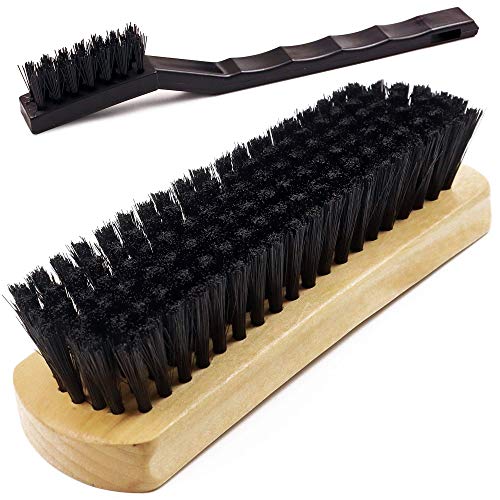
- backpack strap cleaning brush nylon bristles
- soft bristle brush for nylon backpack straps
- buckle and strap cleaning brush for backpacks
- nylon fabric stain remover for backpack straps
- backpack strap cleaning kit with brush and sponge


Before You Start
Before tackling strap cleaning, assess the material. Nylon and reinforced fabrics resist most everyday stains, but delicate stitching or reflective tapes may fray with aggressive scrubbing. Work in a well-lit area and lay the pack on a flat, clean surface. Use lukewarm water and mild detergent to avoid fiber damage. Plan for a 30–60 minute session including drying time. Avoid bleach, solvents, and hot water, which can weaken fibers and fade colors.
Step-By-Step: How To Clean Backpack Straps
- Remove any loose debris from the straps using a dry brush to minimize rubbing dirt into the fibers.
- Mix a small amount of mild detergent with lukewarm water in a basin for a gentle cleaning solution.
- Dip a soft brush into the solution and gently scrub the strap surface, focusing on areas with sweat stains or grime buildup.
- For hardware areas, use the buckle and strap cleaning brush for backpacks to lift grime from buckles and webbing without scratching metal or plastic.
- Rinse the strap with clean water by dabbing with a damp cloth or sponge to remove soap residue.
- Use the nylon fabric stain remover for backpack straps on persistent stains, following product directions and testing on a hidden area first.
- Wipe the straps with a dry towel, then hang the pack to air-dry away from direct sunlight to prevent fiber fading.
- Inspect stitching after drying. If any threads appear loose, consider professional repair to prevent strap failure.
- Reassemble the pack once all components are completely dry, ensuring buckles and sliders move freely.
- Regular maintenance: clean straps every few months or after heavy outdoor use to maintain material integrity.
- For heavily soiled or water-dlogged packs, repeat steps or use a dedicated cleaning kit for best results.
Troubleshooting
| Symptom | Likely Cause | Fix | Prevention |
|---|---|---|---|
| Stubborn stain persists after cleaning | Deep-set pigment or oil | Apply nylon fabric stain remover and re scrub | Spot-treat soon after staining, avoid prolonged exposure |
| Straps feel stiff after drying | Detergent residue or over-drying | Wipe with damp cloth and air-dry fully | Rinse thoroughly; avoid leaving soap residue |
| Color fading or fabric fraying | Aggressive scrubbing or sun exposure | Use gentle scrubbing; dry away from sun | Gentle technique; dry in shade |
| Buckles stick or creak | Soap residue or rust/oxidation | Clean hardware separately and wipe dry | Rinse hardware well; store dry |
Common Mistakes
- Using hot water or harsh cleaners that weaken webbing
- Overly scrubbing delicate stitching or reflective strips
- Not drying completely, which fosters mildew and odor
- Neglecting buckle and slider areas where grime hides
Tips For Best Results
- Test any cleaner on a hidden corner of the strap to verify colorfastness.
- Clean in small sections to prevent oversaturation and ensure even drying.
- Prefer a dedicated cleaning kit with a sponge and brush set for consistent results.
- Consider air-drying straps on a clothesline or hanger to maintain shape.
- Store packs in a dry, shaded area to minimize mildew risk between uses.
Call A Professional
If straps show significant wear, cracking, or stitching detachment, or if the pack is used for high-load adventures, seek professional repair or replacement services. Stop using a pack with frayed webbing or compromised buckles. If hardware becomes corroded or the strap edges separate from the pack body, consult a repair shop rather than attempting risky DIY fixes.
FAQ
Can I use regular dish soap on backpack straps?
Yes, a mild dish soap diluted in water is generally safe for nylon straps, but avoid strong detergents that can degrade fabrics.
Should I remove straps for cleaning?
It’s usually easier to clean the straps while attached to the pack, but removing them can help access hard-to-reach areas. Follow manufacturer guidance if available.
How long does it take for straps to dry?
Air-drying typically requires 4–12 hours depending on climate and ventilation; longer in humid conditions.
Is cleaning necessary after rain or sweat?
Yes, occasional cleaning prevents odor buildup and extends strap lifespan, especially in high-sweat conditions.
Can I use bleach on straps?
Bleach can weaken fibers and should be avoided on most backpack fabrics and straps.
What about leather parts or leather-backed straps?
Leather elements require specialized care; avoid soaking leather and use appropriate leather cleaners and conditioners.
Buying Guide
When choosing straps and cleaning tools, consider size, compatibility with your pack, and cleaning efficiency. For nylon-backed straps, look for soft-bristle brushes that won’t scratch hardware. A compact cleaning kit with a sponge, a gentle detergent, and a dedicated buckle brush speeds routine maintenance without damaging fibers. If you frequently use your pack in dirty environments, choosing a kit that includes stain remover formulated for fabric can help keep straps looking fresh longer.
Key Buying Factors
- <bSize: Ensure the kit or brushes fit the strap width and buckle sizes on your pack.
- <bNoise level (for cleaning tools): Look for soft-bristle brushes with quiet bristles to avoid snagging fabric.
- <bEnergy efficiency: Not applicable; focus on manual cleaning tools.
- <bControls: Simple tools without power requirements for easy, on-the-go use.
- <bPlacement: Store tools in a dedicated pocket or kit to keep straps clean and accessible.
Regular maintenance makes cleaning easier and helps extend the life of backpack straps. By following the steps above and using the specified tools, American users can maintain comfort and durability for everyday commuting, hiking, and travel.