Astro turf, or artificial grass, offers low maintenance and year-round greenery. However, keeping it clean requires a simple routine and the right tools. This guide outlines a practical cleaning process that works for residential and commercial artificial lawns, with emphasis on safe products and effective methods.
Quick Answer
Clean regularly with a synthetic grass brush, rinse with water, and treat stains promptly. For odors or heavy soiling, use a specialized artificial grass cleaner spray concentrate or an enzyme-based stain remover, followed by a deodorizer for pets. A pressure washer on a gentle setting can help revive fluffy fibers, but avoid high pressure that could damage the backing. Always test cleaners in a small area first.
What You’ll Need
- Artificial Grass Cleaner Spray Concentrate
- Astro Turf Deodorizer Pet Urine Odor Remover
- Synthetic Grass Cleaning Brush Rake Wide 24 Inch
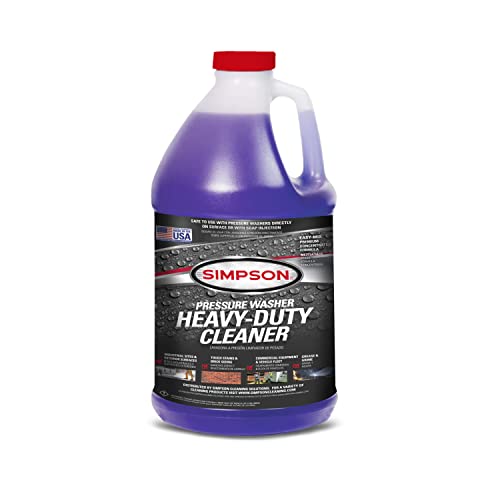
- Artificial Lawn Pressure Washer Safe Cleaner
- Artificial Turf Stain Remover Enzyme Cleaner 32 oz


Before You Start
Assess the area for loose seams or infill gaps and repair as needed before cleaning. Remove debris manually to prevent particles from grinding into the blades during brushing. Always test any cleaner in an inconspicuous spot first to confirm there is no discoloration. Water-based cleaners are preferred for most routine cleanups, and a gentle rinse helps prevent residue buildup. Estimate 15–45 minutes for routine maintenance, longer for deep cleaning.
Step-By-Step: How To Clean Astro Turf
- Clear debris use your hands or a lightweight debris rake to remove leaves, sticks, and litter from the surface.
- Brush the fibers use the 24 inch wide synthetic grass cleaning brush rake to lift flat blades and restore the turf’s natural appearance. Brush in different directions for an even look.
- Rinse lightly with a low-pressure garden hose to remove dust and pollen. Avoid hard streams that can disturb infill or backing.
- Spot treat stains apply an enzyme-based artificial turf stain remover to organic stains (food, mud) and let it sit as directed before blotting and rinsing.
- Address odors for urine or pet smells, spray the astro turf deodorizer pet urine odor remover along affected areas and allow it to work before rinsing.
- Deep clean (optional) if the surface is heavily soiled, use an artificial lawn pressure washer safe cleaner following the manufacturer’s guidelines. Use a wide, slow sweep and keep the nozzle at a safe distance from the turf.
- Distribute and sanitize for routine sanitization, spray a thin layer of the artificial grass cleaner concentrate and rinse well. This helps keep fibers bright and reduces residue buildup.
- Dry and inspect allow the turf to air-dry; check for any missed spots or stains and re-treat if necessary.
- Brush again once dry to re-fluff the blades and maintain an even texture across the lawn.
- Preventive care schedule routine cleanings every 1–2 months, with more frequent maintenance in high-traffic areas or homes with pets.
- Seasonal check inspect edges and seams per season to ensure the turf remains secure and visually appealing.
Troubleshooting
| Symptom | Likely Cause | Fix | Prevention |
|---|---|---|---|
| Persistent odor after cleaning | Insufficient deodorizer or deep-seated urine | Reapply deodorizer and allow dwell time; re-clean with enzyme cleaner | Regular deodorizing after pet use; frequent brushing to prevent buildup |
| Stains won’t lift | Set-in stain or incompatible cleaner | Use enzyme stain remover and repeat | Spot-treat early; use appropriate cleaners for each stain type |
| Blades look flattened | Heavy traffic or compacted infill | Brush thoroughly in multiple directions; ensure adequate infill depth | Routinely brush and maintain proper infill levels |
| Discoloration after cleaner | Wrong cleaner for material | Test in a hidden area and switch to a compatible product | Follow manufacturer guidelines for the turf type |
Common Mistakes
- Using high-pressure washers directly on the turf, which can damage fibers and backing
- Applying bleach or ammonia-based cleaners that may discolor or degrade turf
- Neglecting to rinse after cleaning, leaving residues that attract more dirt
- Forgetting to brush after cleaning to restore pile direction and appearance
Tips For Best Results
- Brush against traffic patterns to lift flattened blades, then brush with the grain for a neat finish.
- Schedule cleaning after heavy pollen days or seasonal debris for best results.
- Use a dilutable cleaner and follow label directions to avoid residue buildup.
- Test all cleaners on a small area before broad application to prevent color changes.
- Keep pet areas clean by washing with a turf-safe deodorizer after outdoor use.
Call A Professional
Consider contacting a pro if seams are lifting, infill has shifted, or there are significant stains or persistent odors that DIY methods do not fix. Structural repairs, large-scale installation issues, or irrigation-related concerns require expert assessment.
FAQ
Can I use a garden hose to clean artificial turf?
Yes, a garden hose is suitable for routine rinsing and light cleaning. Use a spray nozzle that provides a gentle to moderate flow to avoid pushing infill.
Is it safe to use pressure washers on artificial turf?
Pressure washers can be used with caution on safe settings and appropriate distance, but avoid high pressure directly on fibers to prevent damage.
What cleaners are best for pet odors on artificial turf?
Use a turf-safe deodorizer designed for pet urine and an enzyme-based stain remover for organic odors.
How often should I clean artificial turf?
Routine maintenance every 1–2 months is typical, with more frequent cleaning in high-traffic areas or homes with pets.
Can I clean stains immediately with household products?
Spot treat with a turf-safe enzyme cleaner or a dedicated stain remover, then rinse thoroughly.
Do cleaners affect the turf warranty?
Use only cleaners recommended by the turf manufacturer; improper products can void warranties.
Should I replace infill regularly?
Yes, check infill depth periodically and refresh as needed to maintain cushioning and stability.
Buying Guide
Choosing cleaning supplies and tools for astro turf hinges on several factors. Consider the size of the area, typical foot traffic, and whether pets are present. For routine maintenance, a 24-inch wide brush helps cover more area with less effort. Noise and energy efficiency matter for power tools like pressure washers; look for models with adjustable spray patterns and low-GPM settings to conserve water.
Key buying factors include size, noise level, energy efficiency, controls, and placement. For smaller spaces, a handheld spray nozzle paired with a deep-cleaning enzyme cleaner may suffice. For larger lawns, a wide brush and a compatible pressure washer-safe cleaner become cost-effective options. Evaluate the noise profile if the turf is near living spaces or bedrooms. Independent of tool choice, always prioritize turf-friendly products that are fragrance-free or specifically formulated for artificial grass.
Consider how you plan to place equipment during routine maintenance. A light, portable cart can help transport cleaners, brushes, and towels. If pets frequently use the area, choose a deodorizer and an enzyme-based stain remover designed for pet odors. Lastly, review product labels for compatibility with your turf backing and fiber type to avoid discoloration or damage.