Cleaning casement windows from inside the home is practical for maintaining clear views and extending window life. This guide focuses on Andersen casement windows and provides a practical, safe approach using common interior cleaning tools. The steps emphasize achieving streak-free glass while protecting seals and finishes.
Quick Answer
Use a long-handled tool for reach to minimize leaning on frames, combined with a microfiber kit for gentle, streak-free results. Start with a dry wipe to remove dust, then wash with a microfiber pad and a soft rubber blade to remove excess water. Finish with a microfiber cloth to buff dry and prevent drips.
What You’ll Need
The following tools and materials cover most interior cleaning needs for Andersen casement windows:
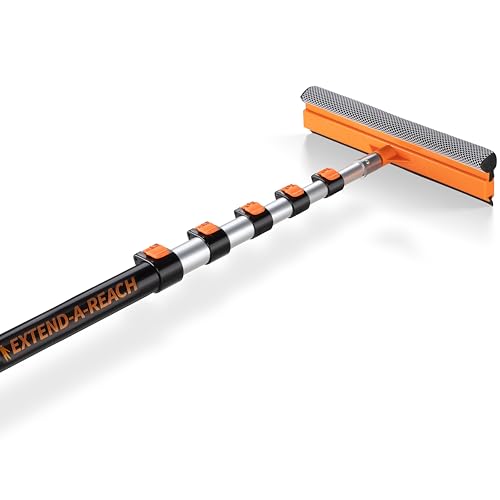
- Extendable window cleaning pole interior use 24 ft
- Microfiber window cleaning cloths kit for interior windows
- Window squeegee with long handle for inside cleaning
- Indoor window cleaning kit with microfiber pad and rubber blade
- Retractable window cleaning brush and scraper for casement windows


Before You Start
Prepare the area by protecting window sills and nearby trim with a towel or drop cloth. Open the casement window fully to access both interior glass surfaces and the frame. Use gentle, non-abrasive cleaners and avoid ammonia-based products on vinyl or painted frames. Test cleaner on a hidden spot first to prevent discoloration. Allow time for any moisture to air-dry before closing the window. A typical session may take 15–30 minutes per window, depending on size and condition.
Step-By-Step: How To Clean Andersen Casement Windows From Inside
- Warm, clear water dampens a microfiber cloth; wipe the interior glass surface to remove dust and loose debris.
- Extend the cleaning pole to reach the upper corners without standing on furniture, then wipe along the glass with a microfiber pad.
- Use a retractable window cleaning brush and scraper to lift stuck-on grime near the sash seals carefully—avoid heavy pressure on the glass.
- Apply a small amount of mild glass cleaner or a vinegar-water solution to the microfiber cloth; work in small sections to prevent streaks.
- Run the window squeegee with a long handle from top to bottom, keeping the blade nearly vertical to remove excess moisture.
- Wipe the blade often with a clean cloth to prevent re-depositing dirt, repeating from corner to corner for even coverage.
- Return to corners and edges with a dry microfiber cloth to finish drying and buff the surface to a shine.
- Check the window frame and seals for dust; wipe with a microfiber pad and a separate damp cloth if needed.
- Inspect the interior tracks for debris; use a soft brush or retractable tool to remove it slowly.
- Close the window gently and test for smooth operation; if stiffness occurs, apply a light silicone-based lubricant to the moving parts from the inside.
- Store tools after use, ensuring the microfiber cloths are rinsed and air-dried to prevent mildew buildup.
- Repeat on other windows or at a regular interval to maintain clarity and operability.
Troubleshooting
| Symptom | Likely Cause | Fix | Prevention |
|---|---|---|---|
| Streaks on glass | Residual cleaner or drying too quickly | Wipe with a clean, dry microfiber cloth in a consistent motion | Use a microfiber pad and a damp, not soaking, cloth |
| Water spots after drying | Hard water minerals | Wipe with a damp cloth and buff with a dry cloth | Rinse with distilled water if minerals are persistent |
| Stiff window operation after cleaning | Residue on seals or tracks | Clean tracks with a soft brush and light lubricant | Regular interior cleaning to prevent buildup |
| Scratches on glass | Razor or scraper contact | Stop using the scraper on the glass; only use it for edges if necessary | Use dedicated glass-safe tools and keep blades clean |
Common Mistakes
- Using abrasive cleaners or rough cloths that scratch glass or frames
- Over-wetting the sash area, leading to water seepage into seals
- Neglecting to wipe the blade edge after each pass, causing streaks
- Over-extending the cleaning pole beyond its stable weight limit, risking drops
Careful technique and the right tools help avoid these issues and yield clearer interiors.
Tips For Best Results
- Work in the shade or on a cloudy day to prevent rapid drying and streaking
- Use a dedicated microfiber cloth for the glass and a separate one for frames to prevent grime transfer
- Keep cleaning tools reserved for interior use to avoid cross-contamination with outdoor grime
- Regular maintenance reduces buildup and simplifies future cleaning sessions
- Store a compact kit inside a cabinet for quick touch-ups as needed
Call A Professional
Consider a pro when windows are badly damaged, seals show signs of moisture intrusion, or the hardware is difficult to operate after cleaning. Stop signs include persistent drafts, cracked or peeling sashes, or recurring fog between glass panes. If you notice mold growth or persistent water intrusion after cleaning, contact a window specialist or a certified contractor.
FAQ
Can I clean Andersen casement windows from inside if the sash won’t open fully?
Yes, you can still clean accessible interior glass with long-handled tools, but avoid forcing the sash. If it’s stuck, have a professional inspect the mechanism.
What cleaners are safe for interior Andersen windows?
Use mild, non-ammonia glass cleaners or a simple solution of water with a touch of mild dish soap. Avoid harsh solvents near vinyl or painted finishes.
Can I use a dryer microfiber cloth for drying?
A microfiber cloth is ideal for drying; ensure it’s clean and free of lint to prevent residue on the glass.
How often should interior cleaning be performed?
For most homes, cleaning interior glass every 3–6 months maintains clarity and reduces buildup.
Buying Guide
When choosing tools to clean interior Andersen casement windows, consider size, reach, and material quality. A telescoping pole should extend enough to reach upper sashes without overextension. Look for microfiber kits with separate pads and cloths to prevent cross-contamination between glass and frame surfaces. A long-handle squeegee helps manage drips, while a retractable brush and scraper handle tougher grime near tracks. For busy households, an all-in-one interior cleaning kit with a microfiber pad and rubber blade offers convenience and consistency. Finally, ensure tools are easy to store and fit your closet or cleaning cart for quick access.