Keeping clothes looking sharp involves two essential tasks: removing wrinkles and refreshing fabric. This guide explains practical, household-friendly methods using common tools such as a handheld garment steamer with a fabric brush attachment, a steam iron with vertical steam, and a folding ironing board. It also covers fabric care aids like a lint roller and a fabric shaver to maintain a polished appearance.
Readers will learn a step-by-step routine that minimizes fabric damage and saves time. The approach emphasizes safety, proper technique, and how to adjust methods based on fabric type. By following these steps, households can achieve well-pressed garments without professional services.
Quick Answer
Best basic routine: Start with a handheld garment steamer to remove wrinkles, then finish with a steam iron for crisp edges. Use a folding ironing board for stable pressing, a lint roller to remove fuzz, and a fabric shaver for surface smoothing on knitwear or heavy fabrics. Always test on inconspicuous areas first and handle delicate fabrics with care.
What You’ll Need
- Handheld garment steamer with fabric brush attachment
- Steam iron with vertical steam and spray mist
- Folding ironing board with iron rest and heat-resistant cover
- Lint roller with extra sticky sheets for clothing
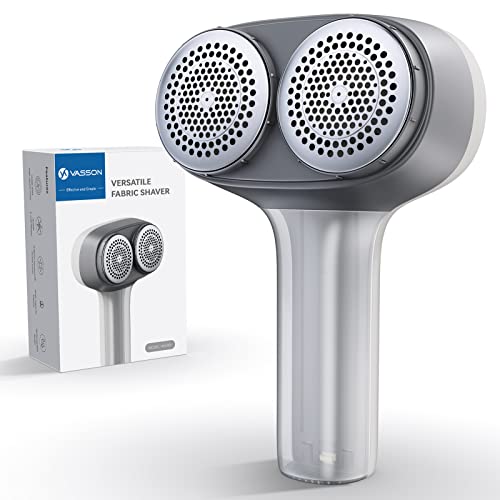
- Fabric shaver and fuzz remover electric cordless


Before You Start
Assess fabric types before applying heat. Delicate fabrics such as silk or lace may require low heat or steaming only. For heavier fabrics like denim or wool, higher heat and longer press times are appropriate. Prepare a clear workspace and place a sturdy ironing board on a flat surface. Keep the steam iron and shaver away from water sources and store them safely when not in use. Never leave a hot iron unattended.
Time estimates vary by garment. Plan for 20–45 minutes for a complete refresh of a typical wardrobe load. This includes pre-cleaning, steaming, pressing, and touch-up steps. A cautious approach reduces the risk of scorch marks and fabric distortion.
Step-By-Step: How To Clean And Press Clothes
- Pre-clean and prep: Check care labels and remove loose lint with the lint roller before heating the fabric. This helps avoid sealing lint into fibers during pressing.
- Refresh with a garment steamer: Hang the garment and use the handheld steamer with its fabric brush attachment to remove wrinkles and revive fibers. Keep the nozzle at a comfortable distance and move in vertical strokes for even steam distribution.
- Spot remove fuzz: For knitwear or fuzzy fabrics, glide the fabric shaver over surfaces with light, even pressure. Avoid over-shaving in one area to prevent thinning the fabric.
- Position and heat the ironing board: Set up the folding ironing board with its heat-resistant cover; adjust height for comfortable pressing and place the garment on a flat area. If necessary, use a pressing cloth for delicate fabrics.
- Apply vertical steam: Use the steam iron with vertical steam capability to touch up hems and collars while the garment remains hanging. This reduces the need to press flat multiple times and helps maintain shape.
- Press with controlled strokes: For most fabrics, press in smooth, even motions rather than dragging the iron. For shirts and blouses, work from the collar downward, then sleeves and body. For pants, press along the crease lines with a tailored mindset.
- Finish with edge and seam care: Re-check seams, cuffs, and pockets. Use a light spray of mist from the iron if needed, then re-steam any stubborn wrinkles and set the fabric.
- Cool and inspect: Allow garments to cool on a hanger before wearing or storing. Check for missed spots or scorch marks and repeat if necessary with lower heat on delicate fabrics.
- Storage and maintenance: After pressing, store garments properly and clean the ironing equipment according to manufacturer instructions to extend life and performance.
Troubleshooting
| Symptom | Likely Cause | Fix | Prevention |
|---|---|---|---|
| Water spots on fabric | Ironing with too much moisture or uneven heat | Empty water tank, use distilled water, lower heat | Test on a hidden area; use spray mist sparingly |
| Streaks after ironing | Residue on iron or fabric brush | Clean plate and plate with a damp cloth; check brush attachment | Regularly clean equipment between garments |
| Fabric shining or scorch marks | Excess heat or contact with hot soleplate | Lower iron temperature; use pressing cloth | Always test on inconspicuous areas first |
| Wrinkles remain after steaming | Insufficient steam or garment too wrinkled | Move iron slowly; re-steam in sections | Steam in vertical and horizontal passes as needed |
| Fuzzing returns after lint removal | Fibers release after friction | Re-lint with fresh sheets; avoid over-stroking | Wear garment before applying again to release loose fibers |
Common Mistakes
- Using high heat on delicate fabrics, causing damage or shine
- Rushing pressing steps, leading to uneven creases
- Over-wetting fabrics or overusing spray mist
- Neglecting to clean the iron and steamer after use
These missteps can undermine results, increase garment wear, and require more time in subsequent sessions. A steady, deliberate approach yields better outcomes with less risk.
Tips For Best Results
- Always test on a hidden area first, especially with new fabrics
- Use a pressing cloth for delicate or dark fabrics to prevent shine
- Keep the iron and steamer clean to avoid staining or residue
- Let garments cool on hangers to set the crease and prevent new wrinkles
- Coordinate tasks by fabric type so you minimize heat changes and movement
Call A Professional
Consider professional help if garments feature delicate beads, embroidery, or unusual fabrics that require specialized care. Seek services for heavily soiled or stained items where improper cleaning could harm the material. If you notice persistent scorch marks or fabric damage during testing, pause and consult a professional cleaner or tailor for guidance.
FAQ
Can I use a fabric brush attachment on the steamer?
Yes, the fabric brush helps lift fibers and remove surface lint while steaming, improving wrinkle removal.
Is vertical steam safe for all fabrics?
Vertical steam is generally safe for many garments, but always check care labels and avoid steaming delicate or heat-sensitive fabrics without testing first.
How do I clean a fabric shaver after use?
Remove collected fuzz or hair, then wipe the blade area with a dry cloth before storing. Never operate a clogged shaver.
What should I do about stubborn wrinkles on cotton shirts?
Use a combination of steaming and pressing with a hot iron, ensuring you smooth from the collar down to the placket and sleeves for best results.
Can I press synthetic fabrics at the same time as cotton?
It’s best to adjust heat levels to suit the most sensitive fabric in the load, layering steps to minimize risk of damage.
How often should I replace lint roller sheets?
Replace sheets when they lose tackiness or after a few passes on multiple garments to maintain effectiveness.
What is the best storage practice for a folding ironing board?
Store in a dry, ventilated area folded according to manufacturer instructions to extend its useful life and prevent warping.
Buying Guide
Choosing the right equipment for cleaning and pressing depends on several factors that affect performance and convenience. Consider the following before purchasing:
- <bSize and footprint: A compact handheld steamer is ideal for travel; a full-size steamer and ironing setup suits a home wardrobe with frequent use.
- <bNoise level: Some steam irons and fabric shavers generate more noise. Look for models with quieter operation if the setup will run in shared spaces.
- <bEnergy efficiency: Efficient steam generation and heat recovery help reduce energy use during routine tasks.
- <bControls and features: Adjustable heat settings, vertical steam capability, spray mist, and removable water tanks add flexibility for different fabrics.
- <bPlacement and setup: A folding ironing board with a stable iron rest makes pressing easier in tight spaces; consider wall-mounted storage if space is limited.
- <bMaintenance: Removable parts, easy cleaning, and clear instructions extend the life of the equipment.
- <bCompatibility with fabrics: Ensure that the system supports a range of fabrics from delicate silks to heavy denim, with appropriate care for each.
- <bAccessories: The fabric brush, lint roller, and fabric shaver add value by maintaining fabric quality and appearance between cleanings.
As you compare options, weigh how often you press garments, the types of fabrics you own, and whether you value portable convenience or a more robust home setup. A well-chosen combination of a handheld steamer, a steam iron with vertical capability, and a sturdy folding ironing board provides a versatile, high-utility system for most American households.