Maintaining a clean washing machine is essential for optimal performance and fresh-smelling laundry. This guide outlines practical steps to clean and deodorize both front-load and top-load washers using common cleaning products and easy techniques. Readers will learn how to remove buildup, eliminate odors, and keep the appliance smelling clean between deeper cleanings.
Quick Answer
Run an empty hot water cycle with washing machine cleaning tablets or washer tub cleaner spray, then wipe seals and dispensers with a drum cleaning brush for front-load washers. Finish with a spray of washing machine odor eliminator to neutralize any remaining smells. Repeat monthly for best results.
What You’ll Need
- washing machine cleaning tablets
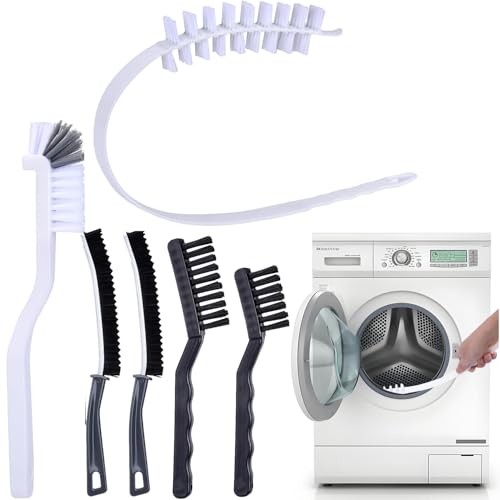
- drum cleaning brush for front-load washer
- washing machine odor eliminator spray
- washer tub cleaner spray for top-load
- washing machine cleaning kit


Before You Start
Before beginning, unplug the washer or turn off the power at the outlet. Ensure the drum is empty and the area around the washer is clear. For safety, avoid mixing harsher chemicals with ammonia or chlorine cleaners, and follow all label directions. Plan for about 45–60 minutes to complete the full cleaning cycle and detailed wipe-down.
Step-By-Step: How To Clean And Deodorize A Washing Machine
- Start with a maintenance wipe: Dampen a microfiber cloth and wipe the exterior, door seals, and control panel to remove dust and residues.
- Prepare the drum: For front-load washers, open the door and remove any items stuck in the seal. For top-load models, move the agitator if needed and clear the tub area.
- Apply cleaning product: Place washing machine cleaning tablets in the detergent dispenser or directly in the drum according to product instructions. If using a spray, target the tub walls and seals.
- Run a hot water cycle: Set the machine to the hottest, longest cycle available to maximize buildup and mold removal. Let the cycle complete, including a full drain and rinse.
- Address the door seal and gaskets: Use the drum cleaning brush for front-load washers to scrub the rubber seal, paying attention to folds where mold can hide.
- Clean the dispenser drawers: Remove any drawers if possible and rinse under warm water. Wipe with a damp cloth to remove detergent buildup and residues.
- Deodorize: Apply a washer odor eliminator spray to the interior surfaces, vents, and seal, focusing on areas with persistent smells. Allow contact time as directed by the product.
- Rinse and dry: Run a short, empty rinse cycle or extra rinse to ensure all cleaning residues are flushed away. Wipe dry the door seal and drum after the cycle.
- Inspect and repeat if needed: If odors persist, repeat the process using a tub cleaner spray or alternative product specific for top-load washers.
- Maintenance routine: After each wash, leave the door ajar to improve air circulation and reduce musty smells. Schedule a deeper clean every 1–3 months based on usage.
- Storage and care: Keep cleaning products away from children and pets, and store sprays in a cool, dry place away from direct sunlight.
- Final check: Run a quick test cycle with a small load to confirm the odor is gone and clothes come out fresh.
Troubleshooting
| Symptom | Likely Cause | Fix | Prevention |
|---|---|---|---|
| Persistent musty smell after cleaning | Residual grime in seals or dispenser | Re-clean seals with drum cleaning brush; run a second hot cycle with tub cleaner spray | Run monthly touch-up cleanings |
| Detergent residue on clothes | Overdosing or clogged dispensers | Use recommended amount; clean dispensers thoroughly | Use proper dosing and quarterly dispenser clean |
| Water not draining fully | Blocked drain pump or filter | Check filters and hoses for blockages; clear debris | Schedule professional service if not resolved |
| Door seal tearing or excessive wear | Harsh cleaners or heavy scrubbing | Switch to gentler cleaners and less abrasive brushes | Regular, careful cleaning with a soft brush |
Common Mistakes
- Using standard household vinegar in high concentration; this can degrade rubber seals if used excessively.
- Overfilling the drum with cleaning tablets, which can leave residues.
- Skipping the rinse cycle after cleaning, leaving cleaning agents behind on clothing.
- Neglecting the door seal and dispenser areas where mold commonly hides.
Tips For Best Results
- Run the cleaning cycle with hot water once a month if your usage is heavy or if you notice odors early.
- For front-load washers, pay special attention to the rubber door boot and folds where moisture collects.
- Use the appropriate cleaning kit or products calibrated for your washer type (front-load vs top-load).
- Keep the washer door open after cycles to promote airflow and reduce moisture buildup.
- Label a simple maintenance schedule: clean monthly, inspect seals quarterly, and replace worn washers’ gaskets as needed.
Call A Professional
Contact a professional if you notice persistent odors after multiple cleaning attempts, unusual noises during cycles, water leaks, or if the drum does not agitate or drain correctly. If the washer displays error codes that indicate mechanical or electrical issues, seek service promptly rather than attempting risky DIY repairs.
FAQ
How often should I clean my washing machine?
Most households benefit from a deep clean every 1–3 months, with monthly maintenance for high-use machines.
Can I use vinegar or baking soda for cleaning?
Vinegar and baking soda can be helpful in small amounts, but heavy use may affect seals; follow product directions or prefer dedicated cleaning tablets or sprays.
Should I run a cleaning cycle with the door open or closed?
Run with the door closed for most cleaning cycles to ensure cleaning agents reach all interior surfaces, then wipe dry and air out afterward.
What’s the difference between tub cleaner spray and washing machine cleaning tablets?
Tablets dissolve in hot water to treat the tub and internal components, while sprays target specific areas like seals and dispensers for direct application.
Is it okay to clean a top-load washer the same way as a front-loader?
Yes, but adjust steps for the drum access and use products designed for top-load configurations.
What if the odor returns after cleaning?
Consider running a routine maintenance cycle more frequently, inspecting seals for wear, and ensuring the area around the washer is well ventilated.
Buying Guide
When choosing products to clean and deodorize a washing machine, consider size, compatibility with your washer type, and odor-fighting effectiveness. For most American homes, a combination washing machine cleaning kit that includes tablets, a drum brush, and a odor eliminator spray provides a complete solution.
Key buying factors to weigh include:
- Size and capacity: Ensure cleaners fit your drum size and dispenser compartments.
- Noise level during cleaning: Some cycles are louder; plan cleaning during a period when noise is acceptable.
- Energy efficiency: Use hot water cycles efficiently; plan your schedule to minimize energy use.
- Controls and usability: Look for simple instructions and clear dosing guidelines.
- Placement and storage: Choose compact packaging that stores neatly near the washer without tipping risk.
When comparing products, consider the value of a complete cleaning kit versus individual items. A kit simplifies the process and ensures compatibility of all included tools with your washer type, whether front-load or top-load. Do you often notice musty smells after laundry day? A reliable kit paired with a regular maintenance schedule can help maintain a fresh, clean washer and clothes.