Water damage or accidents can leave a mattress damp and odor-prone if not addressed promptly. This guide explains a practical, step-by-step approach using common tools to restore a dry, fresh sleeping surface with emphasis on safety and home-friendly methods.
Following a clear process helps prevent mold growth and prolongs mattress life. The methods shown below rely on widely available equipment and proven cleaners to remove moisture, odors, and stains without risking damage to the mattress or bedding.
Quick Answer
Act quickly: blot excess moisture, use a wet/dry vacuum to extract liquid, apply an enzyme cleaner to target urine or organic stains, and aid drying with an air mover and dehumidifier. Reassess moisture daily and finish with a thorough airing before replacing sheets.
What You’ll Need
- Wet/dry vacuum for mattress cleaning
- Carpet extractor for mattress cleaning
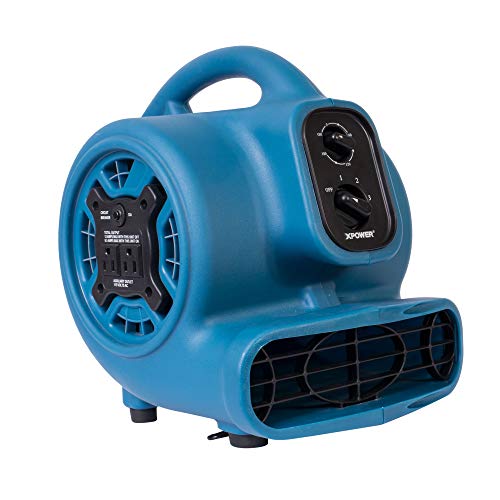
- Air mover fan for mattress drying
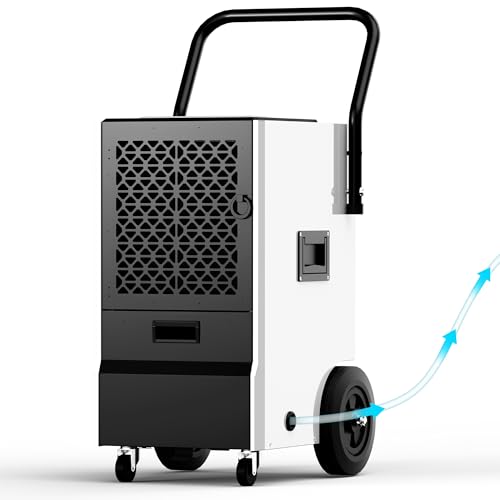
- Dehumidifier for damp mattress drying
- Enzyme cleaner spray for mattress urine stain

Before You Start
Safety first: unplug power sources nearby and remove all bedding. If the mattress is in a humid environment or has sustained heavy soaking, consider professional assessment. Time estimates vary but expect a few hours for initial cleaning and a full 24–48 hours for complete drying; plan to monitor moisture daily. Do not use excessive water or heat sources directly on the mattress, which can damage foam layers or promote mold growth.
Step-By-Step: How To Clean A Wet Mattress
- Remove all bedding and lift the mattress to access the damp zones. If you can, position it near a window or fan to improve airflow.
- Blot and lift surface moisture with towels or clean rags. Press firmly to absorb as much liquid as possible without rubbing.
- Use a wet/dry vacuum to extract pooled moisture from both sides of the mattress. Move in slow, overlapping passes to maximize suction.
- Apply a targeted enzyme cleaner spray for urine or organic stains. Follow the product directions and allow contact time to break down proteins before blotting again.
- Spot-treat odors with the enzyme cleaner or a mild, odor-neutralizing solution. Avoid strong fragrances that can irritate sensitivities or mask underlying moisture.
- Run an air mover fan to accelerate surface drying. Place the fan so it blows across the mattress rather than directly into it to prevent over-drying on one side.
- Position a dehumidifier to reduce ambient humidity in the room. Keep doors open if possible to improve air circulation around the mattress.
- Check the mattress for dampness after a few hours. If moisture remains, repeat extraction and cleaning steps and allow additional airing time before reuse.
Troubleshooting
| Symptom | Likely Cause | Fix | Prevention |
|---|---|---|---|
| Persistent damp smell | Residual moisture or mold growth | Re-clean with enzyme cleaner and re-dry using dehumidifier | Act quickly after spills; maintain airflow |
| Stains reappearing after drying | Spots not fully treated | Re-treat stain with enzyme cleaner, then extract | Treat stains promptly |
| Foam or odor after drying | Excess cleaning solution residue | Blot and air-dry thoroughly; avoid over-wetting | Use minimal liquid for cleaning |
| One side dries faster than the other | Imbalanced airflow | Reposition mattress and adjust fans to evenly circulate air | Ensure even ventilation during drying |
Common Mistakes To Avoid
- Using too much water, which can soak deeper layers and prolong drying
- Rubbing stains aggressively, which spreads them and damages fibers
- Relying on heat sources that can warp foam or promote mold growth
- Skipping the drying phase, leading to lingering moisture and odors
Tips For Best Results
- Act within the first few hours of moisture exposure for the best outcome
- Combine a wet/dry vacuum with a carpet extractor when heavy staining occurs
- Follow enzyme cleaner instructions for contact time to maximize stain removal
- Use a dehumidifier in the room to speed up moisture removal in conjunction with airflow
- Inspect the mattress after each drying session and continue until completely dry
Call A Professional
Consider professional services if the mattress has absorbed a large volume of liquid, shows persistent odors, or if the stain involves biohazards. Stop signs include visible mold growth, persistent dampness after multiple drying attempts, or if a child or pet experiences health symptoms related to the mattress. Licensed cleaners can safely remove moisture, treat odors, and advise on possible mattress replacement if needed.
FAQ
How quickly should I start cleaning a wet mattress?
Begin as soon as possible to minimize odor and mold risk. Prompt action improves outcomes for moisture removal and stain treatment.
Can I sleep on a mattress while it dries?
Avoid sleeping on a still-damp mattress. Allow full drying before sleeping to prevent mold and skin irritation.
Which cleaner is best for urine stains?
Enzyme cleaners are effective for breaking down urine components and reducing odors when used as directed.
Do I need to replace the mattress after it gets wet?
Not necessarily. Many wet mattresses can be restored, but replace if mold, persistent odors, or structural damage remains after thorough cleaning and drying.
Buying Guide
When choosing gear to handle a wet mattress, consider several factors to fit different situations and budgets. The right tools help reduce downtime and improve results.
- Size and capacity: Select a wet/dry vacuum and carpet extractor with adjustable power and appropriate nozzle sizes for mattress edges and corners.
- Drying aids: An air mover fan and a dehumidifier work together to speed evaporation and humidity control. Opt for models with adjustable airflow and humidity settings.
- Effectiveness of cleaners: Use enzyme-based cleaners for organic stains and odors. Confirm product compatibility with mattress materials and bedding.
- Ease of use and portability: Lightweight, compact tools save space in a closet and simplify on-site use.
- Noise and energy use: Consider quieter equipment and energy-efficient options for late-night cleanup without disturbing others.
- Maintenance and replacement parts: Check availability of replacement filters, bags, and cleaning heads for longer-term use.
- Placement and airflow considerations: Create a clear drying path in the room with unobstructed access to circulate air around the mattress.
Choosing the right combination of tools—such as a wet/dry vacuum, carpet extractor, air mover, dehumidifier, and enzyme cleaner spray—helps American households efficiently restore a damp mattress. Would you like help selecting specific models based on room size and budget?