Maintaining clean and sanitary urinals is essential in public restrooms, offices, and healthcare facilities. This guide outlines a practical, step-by-step approach using common cleaning products and safety practices. Readers will learn how to remove buildup, neutralize odors, and keep surfaces hygienic between routine professional cleanings.
Quick Answer
Begin with a light rinse, apply urinal cleaner gel or enzymatic toilet bowl cleaner, scrub with a long-handle brush, rinse thoroughly, and finish with a deodorizer screen insert for ongoing odor control. Use hospital-grade sanitizer spray when higher disinfection is required, and always follow label directions for contact times and dilution.
What You’ll Need
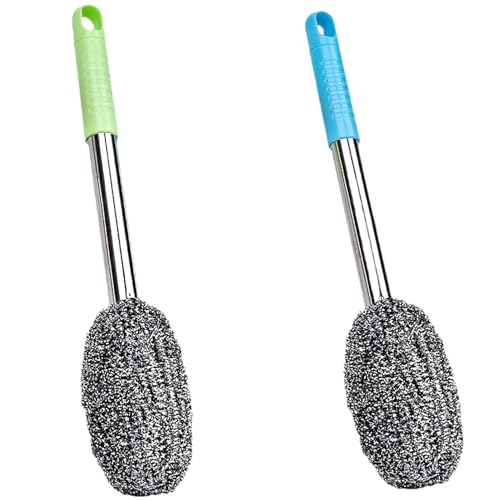
- Urinal cleaning brush with long handle stainless steel bristles
- Urinal cleaner gel liquid 1 gallon industrial bathroom cleaner
- Urinal deodorizer screen insert 2 pack
- Enzymatic toilet bowl cleaner spray 32 oz
- Hospital grade bathroom sanitizer spray concentrate


Before You Start
Safety and surface prep pave the way for effective cleaning. Wear gloves and eye protection, especially when handling concentrates. Remove any visible debris from the urinal bowl and trap areas. Ventilate the area if possible, and keep cleaning products away from children and pets. Time estimates vary; plan for about 15–30 minutes per urinal for a thorough clean, with additional time for heavy buildup.
Caution: Never mix cleaners, as some combinations can release harmful fumes. Check label instructions for dilution ratios and required contact times. If you notice persistent staining or foul odors despite cleaning, consider a higher-concentration product or professional service.
Step-By-Step: How To Clean A Urinal
- Put on protective gloves and eye protection. Remove any standing water with a disposable cloth or sponge.
- Rinse the urinal with warm water to loosen residue and flush the drain area to reduce splatter.
- Dispense a liberal amount of urinal cleaner gel or an enzymatic toilet bowl cleaner spray into the bowl, focusing on mineral deposits and under the rim. Let it sit for the recommended contact time.
- Use the urinal cleaning brush with long handle stainless steel bristles to scrub the bowl thoroughly, including the trap and the top rim. Maintain steady, circular motions to lift scale and biofilms.
- Rinse again with a thorough flush from the faucet or a strong water stream to remove loosened debris and cleaner residue.
- Inspect the surface for remaining stains. If needed, repeat scrubbing on stubborn spots with a fresh layer of cleaner.
- Install a fresh urinal deodorizer screen insert to help trap odor-causing substances and improve fragrance between cleanings.
- Apply a light mist of hospital grade bathroom sanitizer spray concentrate or a compatible sanitizer to high-touch areas around the urinal for additional disinfection, following the label’s dilution and contact time.
- Wipe excess sanitizer from surrounding surfaces and ensure the area is dry to prevent slip hazards. Dispose of cleaning materials properly.
- Document the cleaning aftercare: note date, product used, and any maintenance observations for routine audits.
Troubleshooting
| Symptom | Likely Cause | Fix | Prevention |
|---|---|---|---|
| Stains persist after cleaning | Mineral buildup or biofilm in hard-to-reach areas | Apply enzymatic cleaner again and scrub under the rim; consider a stronger gel | Regular maintenance and targeted brushing |
| Strong odor returns quickly | Insufficient deodorization or hidden deposits | Replace deodorizer screen; perform a second sanitizer spray | Schedule routine deep cleanings |
| Cleaner won’t reach the trap | Blocked drain or clogged trap | Flush with water and inspect for blockage; clear if safe to do so | Keep drain areas clear of debris |
| Streaks or residue after rinse | Leaving cleaner on surfaces or hard water | Rinse thoroughly with ample water; wipe dry | Use proper dilution and rinse technique |
Common Mistakes
- Using abrasive tools on porcelain surfaces, which can scratch.
- Mixing cleaning products, especially bleach with ammonia-based cleaners.
- Skipping the rinse step, leading to residue and odors.
- Neglecting the deodorizer insert and relying only on cleaners.
Tips For Best Results
- Schedule regular cleanings to prevent buildup that requires aggressive scrubbing.
- Rotate cleaners to avoid chemical interactions and to maintain surface integrity.
- Pre-rinse and post-rinse routines help minimize residue and improve sanitation impact.
- Store concentrates securely and label all bottles clearly to avoid cross-contamination.
- Document maintenance to track product performance and compliance.
Call A Professional
Stop signs to call a pro include persistent stains despite multiple cleanings, unusual odors that return rapidly, or visible damage to the porcelain or plumbing. If the urinal shows recurring clogs, persistent leaks, or compromised seals, a licensed technician may be required to address underlying plumbing or environmental hygiene issues.
FAQ
What is the proper order to clean a urinal?
Rinse, apply cleaner, scrub, rinse again, deodorize, disinfect, and finish with a deodorizer insert as needed.
Can I use enzymatic cleaners in all urinals?
Yes, enzymatic cleaners are generally safe for porcelain surfaces, but follow label directions and avoid incompatible materials.
How often should deodorizer inserts be replaced?
Replace as recommended by the manufacturer, typically during routine cleanings or when odor control declines.
Is hospital-grade sanitizer safe for all restroom surfaces?
Hospital-grade sanitizers are designed for high-touch areas but always check the product label for compatibility with porcelain and stainless steel.
What should I do if the drain smells after cleaning?
Inspect for blockages or slow drainage, flush with water, and consider a professional inspection if odors persist.
Are you allowed to mix cleaners for speed?
No, never mix cleaners. Some combinations can create dangerous fumes or reactions.
Do I need a protective mask for cleaning?
A mask is optional for routine cleaning but recommended in poorly ventilated areas or when containers emit strong fumes.
Buying Guide
When choosing urinal cleaning supplies and fixtures, consider size, efficiency, and ease of use. A few key factors can influence results and maintenance costs:
- <bSize and compatibility: Ensure tools and cleaners fit your urinal models, including wall-mounted and floor-mounted units.
- <bNoise and agitation: Long-handled brushes should provide effective scrubbing without excessive splashing or noise.
- <bEnergy and chemical efficiency: Opt for concentrated cleaners that require smaller volumes per use and come with clear dilution ratios.
- <bControls and dosage: Choose products with straightforward dosing to reduce waste and ensure proper contact times.
- <bPlacement and workflow: Store supplies within reach of cleaning staff to speed up routine maintenance while preventing cross-contamination.
Consider comparing gel-based cleaners with enzymatic sprays for different buildup scenarios. For odor control, pairing a deodorizer insert with periodic sanitizer applications helps maintain a fresher restroom environment. If managing multiple restrooms, a standardized cleaning protocol reduces variability and improves audit results.